
Last updated November 16, 2026
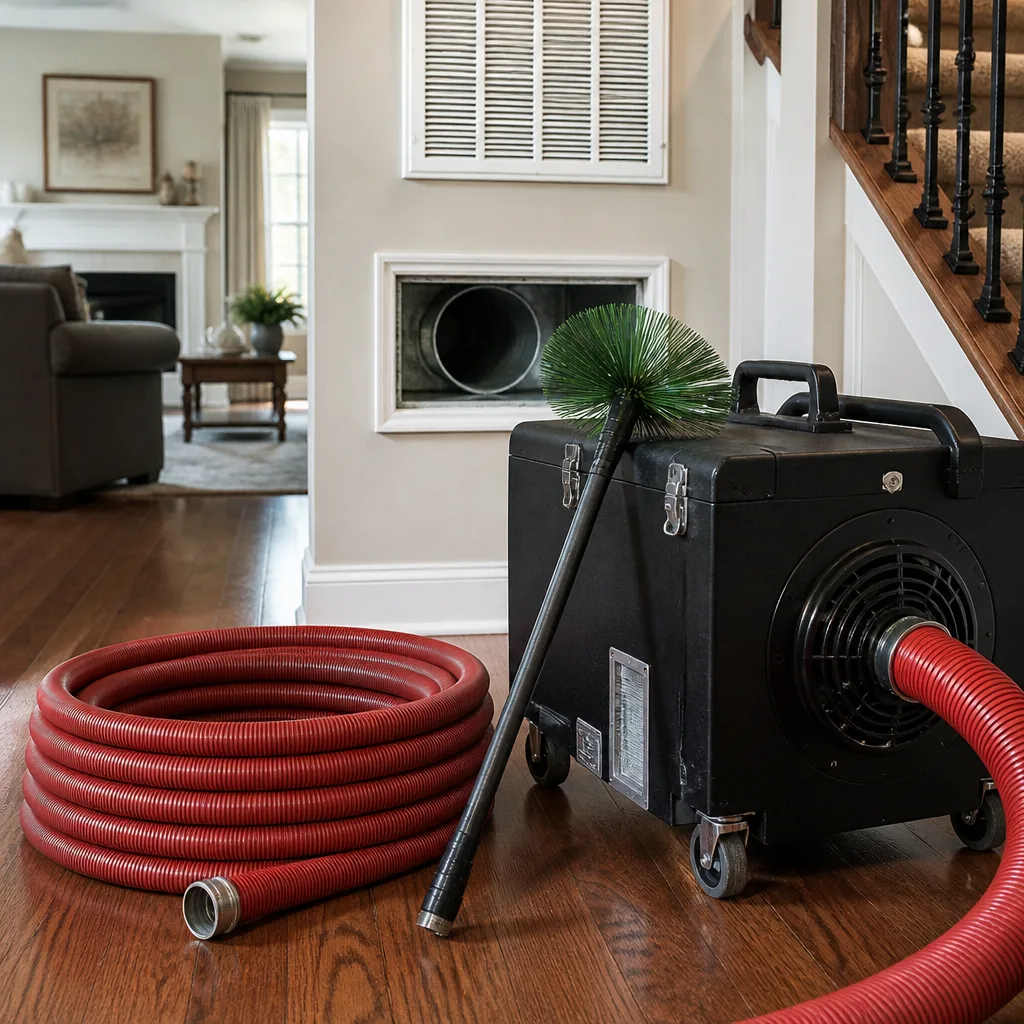 Whole-home duct cleaning
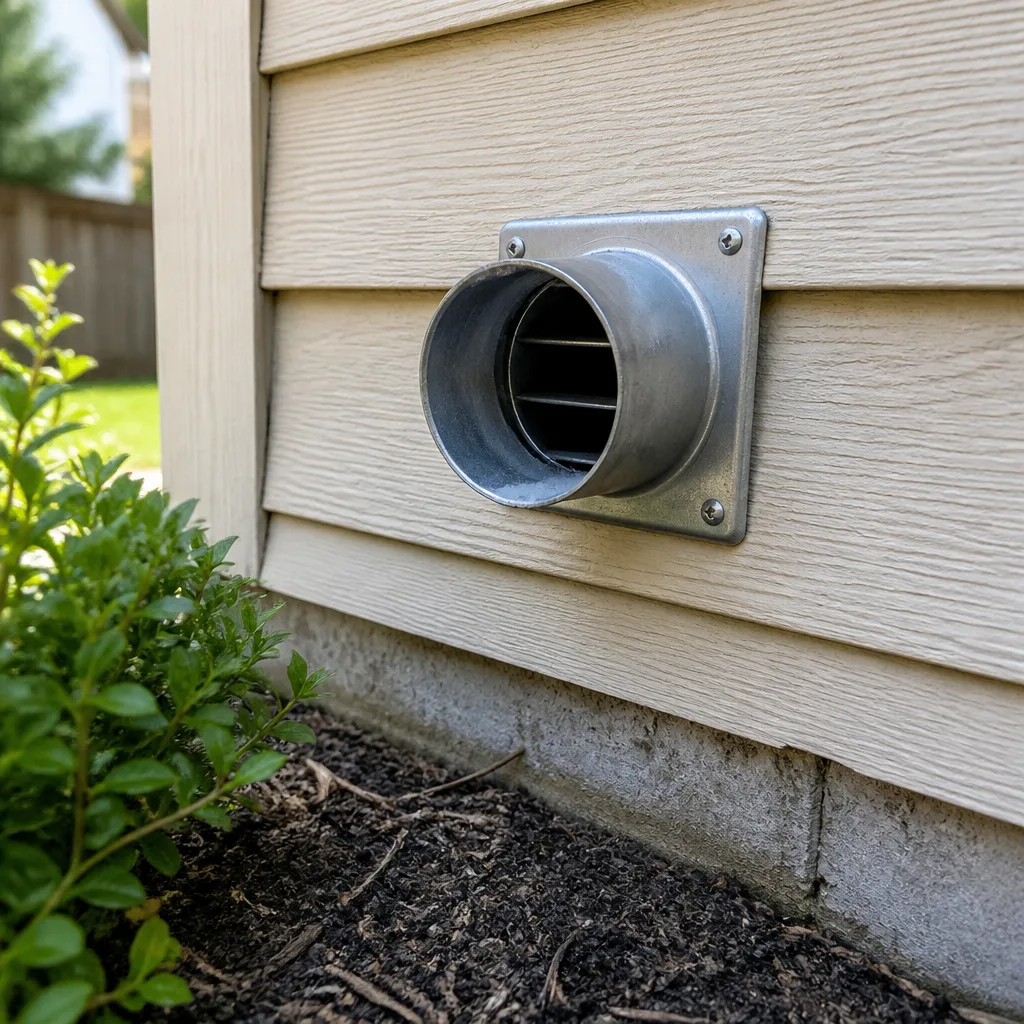 Dryer vent cleaning
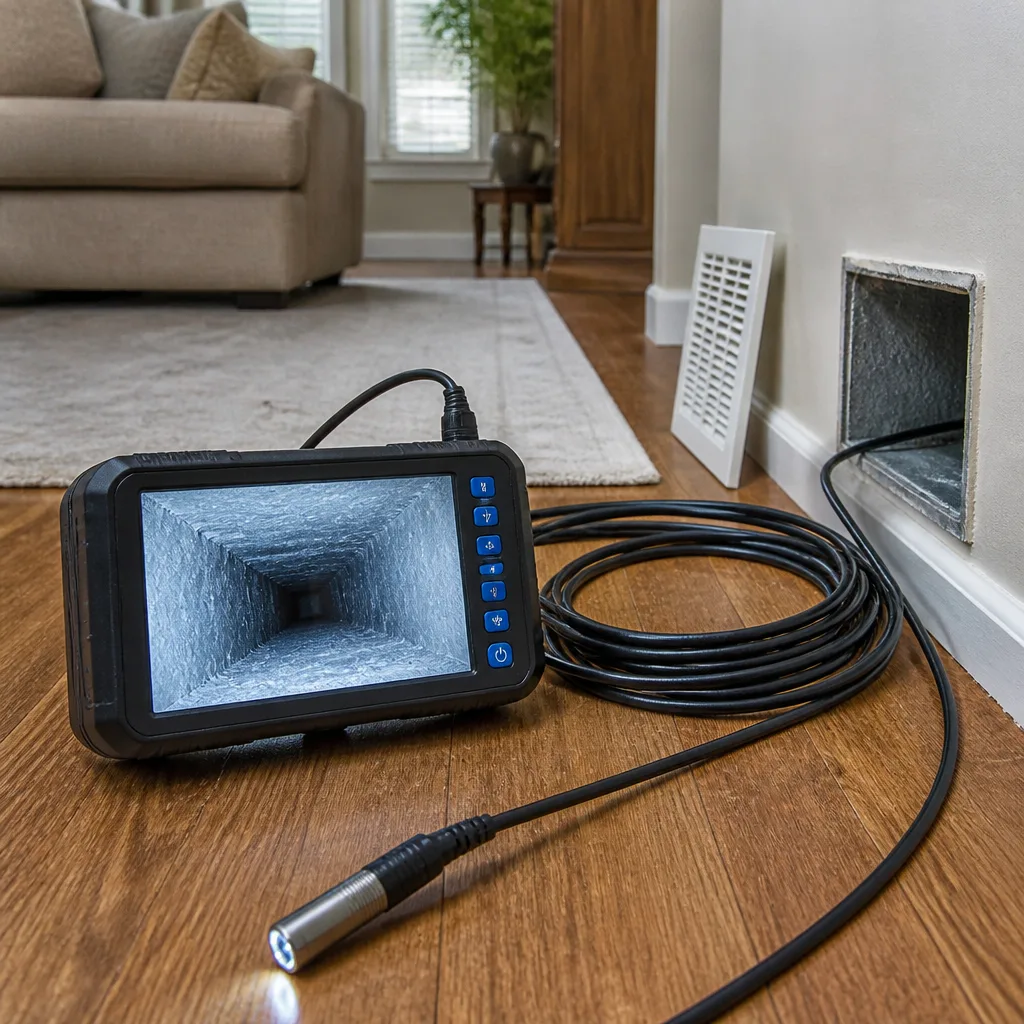 Camera inspection
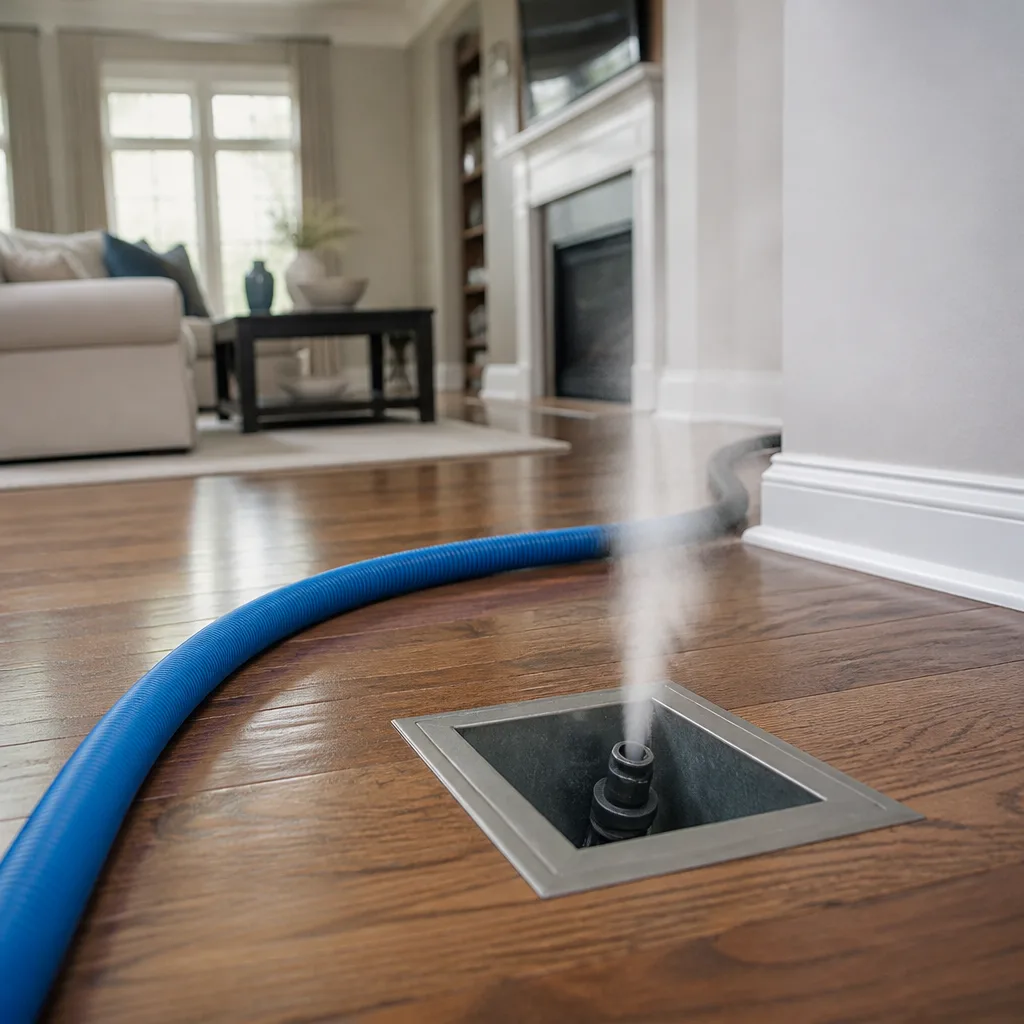 Sanitizing & deodorizing
Whole-system duct and dryer vent check with before-and-after photos - you see exactly what came out of your vents
That "$99 whole-house special" is a bait ad - the real number appears once they are in your hallway, or the "clean" is a shop-vac at the register. We photograph the inside of your ducts before and after instead.
Air Duct Cleaning Emergency Preparedness Guide for Paterson Homes
Most homeowners treat duct cleaning as routine maintenance, something to schedule when the dust gets noticeable. That’s the wrong frame for the situations that actually damage a duct system. After a basement flood, water that reaches the return air plenum or the base of the air handler can begin supporting mold growth inside the ductwork within 48 to 72 hours, and by the time you can see or smell it, contamination has already spread through the whole system. A house fire or a power outage after a storm brings its own contamination problems that a standard cleaning appointment isn’t built to handle. This guide walks through what to do in the first 24 to 72 hours after each of these scenarios in a Paterson home: flood response, smoke and soot damage, and post-storm system checks. You’ll learn when cleaning is enough, when duct repair or replacement is the honest answer, and how to document everything before a remediation crew touches a single register.
Quick Answer
If your Paterson home has flooded, been through a fire, or lost power in a storm, shut the HVAC system off before you do anything else and don’t run it to “dry out” the house. Water in the return plenum or air handler base can start mold growth inside ducts within 48 to 72 hours, and smoke odor that’s soaked into duct liner needs a different remediation approach than soot particles sitting on duct walls. Get photos and a written condition report before remediation starts, then bring in a technician who can assess the system and, if needed, repair or replace ductwork that cleaning alone can’t fix.
Styles & brands we work with
- Whole-home duct cleaning
- Dryer vent cleaning
- Camera inspection
- Sanitizing & deodorizing
Table of Contents
- Flood Response Protocol for Duct Systems
- Paterson Flood Risk and HVAC Placement
- Post-Fire and Smoke Damage in Ducts
- Post-Storm Power Outages and Duct Contamination
- When Cleaning Isn’t Enough: Duct Repair and Replacement
- Documentation for Insurance Before Remediation
- First 72 Hours: A Step-by-Step Checklist
- What Duct Remediation Costs in Paterson
Flood Response Protocol for Duct Systems
The single worst thing you can do after a basement flood in Paterson is turn the HVAC system on to dry things out. It feels helpful. It’s the opposite. Running the air handler pulls humid air from the flooded space through the entire duct network and pushes moisture into every branch and boot, turning a localized wet spot into a whole-system problem. System shutdown comes first, always.
Here’s how we tell homeowners to work through the first stage of a flood response:
- Shut the system off at the thermostat and at the breaker. Don’t just switch it to “off” at the thermostat; kill power at the panel so nothing cycles on by accident while you’re assessing.
- Check whether the air handler was inundated. Any water line that reached the air handler cabinet, the blower compartment, or the base pan means the unit needs inspection before it runs again. Water at the return air plenum is an automatic duct contamination concern.
- Look at the duct runs and boots. In basements, duct boots set at or below grade flood first. Flexible duct that took on water typically can’t be saved, because the inner liner traps moisture and the insulation layer stays wet.
- Don’t run box fans into the duct openings. Airflow from a fan doesn’t dry a duct interior, but it does spread mold spores through the system once growth has started.
- Photograph everything before cleanup. Water lines, wet duct insulation, the air handler base, and any visible debris. This documentation matters later with your insurer.
- Bring in a technician to assess. The decision is whether the ductwork can be cleaned and dried effectively or whether sections need replacement. That call requires looking at the liner, the plenum, and the air handler, not guessing from the basement floor.
For routine cleaning outside an emergency, the process is different and much simpler, and our air duct cleaning page walks through it in detail. Calling a professional to assess flood damage is the right move because a trained eye can distinguish surface contamination from saturation that warrants replacement. Call (844) 967-3384. We answer 24/7. Fast dispatch from 7am to 7pm, Sunday through Friday.
Paterson Flood Risk and HVAC Placement
Paterson’s geography makes duct flood damage a recurring problem, not a rare one. The Passaic River and its tributaries run through the city, and the neighborhoods closest to the river, including stretches of the 1st Ward and areas near the Great Falls, sit in flood zones where water can rise fast during heavy rain. Homes in those areas frequently have HVAC equipment in basements or at grade level, which means a flood that gets into the basement often reaches the furnace or air handler before anyone notices.
That placement matters for a reason many homeowners don’t think about. A basement duct system carrying water-damaged insulation doesn’t just stay wet. It becomes a growth environment. Mold spores already present in household dust find the moisture and the organic material in dust and duct liner, and they colonize. In our experience, the difference between a duct system that survives a flood and one that needs replacement often comes down to how quickly the system was shut down and assessed.
If you live near the Passaic River or in any low-lying section of Paterson, here’s what to know before the next flood event:
- Know where your air handler sits relative to the basement floor. If it’s on a platform above grade, it has some protection; if it’s at or near floor level, it floods early.
- Identify which duct runs are lowest in the system. Basement ceiling ducts and floor boots are the first to take on water.
- Keep a copy of your system documentation (make, model, installation layout) somewhere off the basement floor.
- Check the return air plenum specifically. It’s the highest-volume point of concern after a flood because a wet plenum distributes moisture to every connected duct.
Paterson homes in these zones are also older on average, with duct systems that may already have compromised seals or interior liner before floodwater ever enters the picture. That’s why a flood assessment should include a check for existing duct problems, not just the new water damage. Our Paterson service overview covers how we handle local assessments.
Post-Fire and Smoke Damage in Ducts
Fire damage in a duct system comes in two forms that require different remediation, and confusing them is the most common mistake we see. Soot particulate is the visible layer: fine carbon particles that settle on duct walls, registers, and the blower wheel. Smoke odor penetration is different. It’s the volatile compounds from combustion that soak into porous duct liner, sealant, and insulation, where they can’t simply be wiped or vacuumed away from the surface.
Cleaning alone often handles soot deposits. It rarely fully resolves odor penetration into liner, because the contamination is inside the material, not on it. Here’s how the two compare:
- Soot particulate deposition: addressed with high-efficiency vacuuming, mechanical agitation of duct surfaces, and replacement of filters. The contamination sits on surfaces and moves in air.
- Odor penetration into duct liner: requires either encapsulation or removal of the affected liner. Some systems respond to vapor-phase treatment with a professional-grade product; others need the liner replaced outright.
- Fire-damaged flex duct: almost always replaced. Flexible duct can’t be decontaminated reliably once soot and smoke residue reach the inner liner.
- Sealed and lined metal duct: inspectable and often cleanable, but if the interior coating burned or blistered, that section may need replacement.
In our experience working with homes that had fire damage, the difference between a duct system that comes back and one that lingers with smoke smell is the technician’s ability to tell soot from odor penetration and offer workable remediation, including repairs to compromised duct sections. Containment matters too: contamination-level jobs call for negative-air equipment and containment protocols, which is why we work with Abatement Technologies equipment on serious contamination jobs rather than treating every fire-damaged system as a routine cleaning.
If your home is being rebuilt after a fire, coordinate duct assessment with your contractor so the ductwork gets checked before drywall closes in the system. Call (844) 967-3384 for a free estimate on a Paterson duct assessment.
Post-Storm Power Outages and Duct Contamination
A storm that takes out power in Paterson doesn’t just disrupt your day; if that outage lasts long enough during hot or humid weather, the HVAC system’s humidity control goes with it. Without a running air conditioner or system dehumidification, moisture in the air settles into ductwork, on registers, and around the air handler. When power returns, that damp, stagnant air gets distributed through the house on the first cycle.
The real concern is the combination: warm indoor temperatures, high summer humidity, and a sudden return of airflow. That’s a growth trigger for mold in dust-coated ducts. It’s why a thorough duct cleaning after a storm makes sense as a “check the system” call, not a “wait until the dust is visible” one. What to look for after a long outage in a Paterson home:
- A musty smell from vents on the first few cycles after power returns. That smell means something in the system sat wet or damp or grew while stagnant.
- Visible condensation or moisture at register grilles or around the air handler.
- Visible dust dust rising from vents when the system restarts (this can be dust that settled while airflow was off, and it often settles in the branch runs and boots).
- Any signs of pest entry while the house was powerless.
We also recommend checking the system’s filtration at the same time. If the power outage coincided with a storm that brought debris or pollen into the HVAC intake (through a window, a damaged exterior intake, or an open threshold), a fresh filter and a duct inspection will settle the question quickly. The professional-grade Rotobrush and Nikro systems we use are built to clean beyond what a shop vacuum can do, and they’re the same platforms used in commercial and remediation projects. For duct cleaning after a storm, our team can assess and quote the work without obligation.
When Cleaning Isn’t Enough: Duct Repair and Replacement
Cleaning removes contamination from duct surfaces. It cannot restore a duct system whose structure is already compromised, and in the aftermath of a flood, fire, or long power outage, that distinction matters. The clearest statement we can give you is this: if the contamination has reached the duct liner itself, or the duct sections have lost integrity, cleaning will not fully resolve the problem.
Here are the indicators we use when deciding whether repair or replacement is the honest recommendation:
- Liner saturation or delamination. If the interior lining is wet, peeling, or flaking, it can’t be cleaned effectively; it has to be removed or replaced.
- Disconnected or crushed duct sections. Seals that failed during water intrusion, or duct runs crushed by debris, need repair, not just cleaning, because they’ll pull air from spaces you don’t want it pulling from.
- Persistent odor after proper cleaning. If a duct system still smells of smoke or damp after a thorough cleaning, the contamination source is in the material, not the surface.
- Visible mold growth on duct surfaces that doesn’t respond to mechanical removal. Surface mold can be cleaned; growth that has penetrated liner cannot.
- Compromised connections at the plenum or air handler. Gaps at the plenum introduce unconditioned air into the system and deserve repair rather than a cleaning pass.
Air duct repair is a distinct service from cleaning, and in our work after Paterson flood events, it’s often the step that solves the problem cleaning alone left behind. If your ducts are disconnected, crushed, or carrying damaged liner, our repair service is the correct next call. If your ducts are just dirty, dryer vent cleaning and duct cleaning handle that separately. For the cleaning-and-repair question, free estimates are available.
Documentation for Insurance Before Remediation
Before anyone puts a vacuum or a screwdriver into a flood- or fire-damaged duct system, document its condition. Insurers handle claims by evidence, and after remediation begins, the original state is gone. The documentation work takes an hour and can matter a lot when a claim is adjusted. What to capture:
- Photographs of water lines, soot patterns, and damaged duct surfaces. Include wide shots of the room and close-ups of the damage. Photos matter more than descriptions.
- A written condition report. Note what was wet, what was visibly sooty, and what was damaged. If a contractor provides a condition assessment, get it in writing.
- The contractor’s scope of work, in writing. Before work begins, a remediation plan should state exactly what will be cleaned, repaired, or replaced, with materials specified.
- Receipts for any pre-remediation work. Water extraction, debris removal, and temporary stabilization all belong in the claim record.
This guide isn’t legal or insurance advice. Coverage varies by policy. Your insurer’s adjuster will tell you what your policy covers. What we can tell you is that a clean, complete documentation package gets claims adjusted faster than a phone call after the fact. Ask for the written scope and the estimate before any remediation starts.
First 72 Hours: A Step-by-Step Checklist
Here’s the short version, matched to the situation. Run through it before a technician arrives so you have the facts ready when you call.
- Shut off the HVAC system at the thermostat and the breaker, especially after a flood or fire.
- Stop all airflow into the ducts. No box fans into registers, no running the air handler to dry the house.
- Photograph the damage before you clean anything up.
- Check the air handler, plenum, and boots for water lines, soot, or debris.
- Call for assessment. Call (844) 967-3384. We answer 24/7 with fast dispatch from 7am to 7pm, Sunday through Friday.
- Get the written scope before any remediation begins.
- Don’t repaint, reinstall, or finish drywall over duct runs until the system has been assessed and, if needed, repaired.
In Paterson homes, the 48-72 hour window after a flood is the one that matters most. Growth starts in that window, and by the time it’s visible it’s already distributed. Fast action is a duct system’s best protection.
What Duct Remediation Costs in Paterson
Pricing varies by the situation and the scope of work. Estimates are free and the price is set per job by the written estimate, so these are rough ranges to help you budget, not quotes. Whole-home air duct cleaning typically falls in the range of $350 to $800 depending on system size, number of vents, and access. After a flood or fire, remediation work usually involves more: containment, deeper cleaning, possibly duct repair, and sometimes partial replacement of damaged runs. That’s a bigger job with a wider range, often several hundred to a few thousand dollars depending on how much ductwork is affected. Duct repair on its own, for disconnected or crushed runs, is priced by the number of repair points rather than by square footage. We’ll give the final number in writing before work starts, and the price doesn’t change once the estimate is signed off.
Common Mistakes to Avoid
- Running the HVAC to dry out a flooded basement. It’s the single most damaging thing you can do. The system pulls humid air through every duct and spreads contamination. Shut it down first.
- Assuming a standard cleaning fixes flood damage. Surface cleaning won’t save a duct system with water-saturated liner. Those sections get replaced, not cleaned.
- Treating smoke odor as a surface issue. Smoke odor that has soaked into duct liner needs encapsulation, vapor-phase treatment, or liner removal. A cleaning pass alone leaves the smell behind.
- Cleaning a fire-damaged system before documenting it. Photos and a written condition report are gone once remediation starts. Document first.
- Waiting until the duct system shows visible dust to call. Dust is an indicator of previous contamination, not a live one. Post-flood growth starts within days, before you can see it.
- Skipping the duct system entirely after a power outage. Stagnant, humid air during a long summer outage can seed growth in a dust-coated duct. A post-outage check is worth the call.
- Accepting a verbal scope of work. Get the scope in writing for your records and your insurer’s.
See the difference
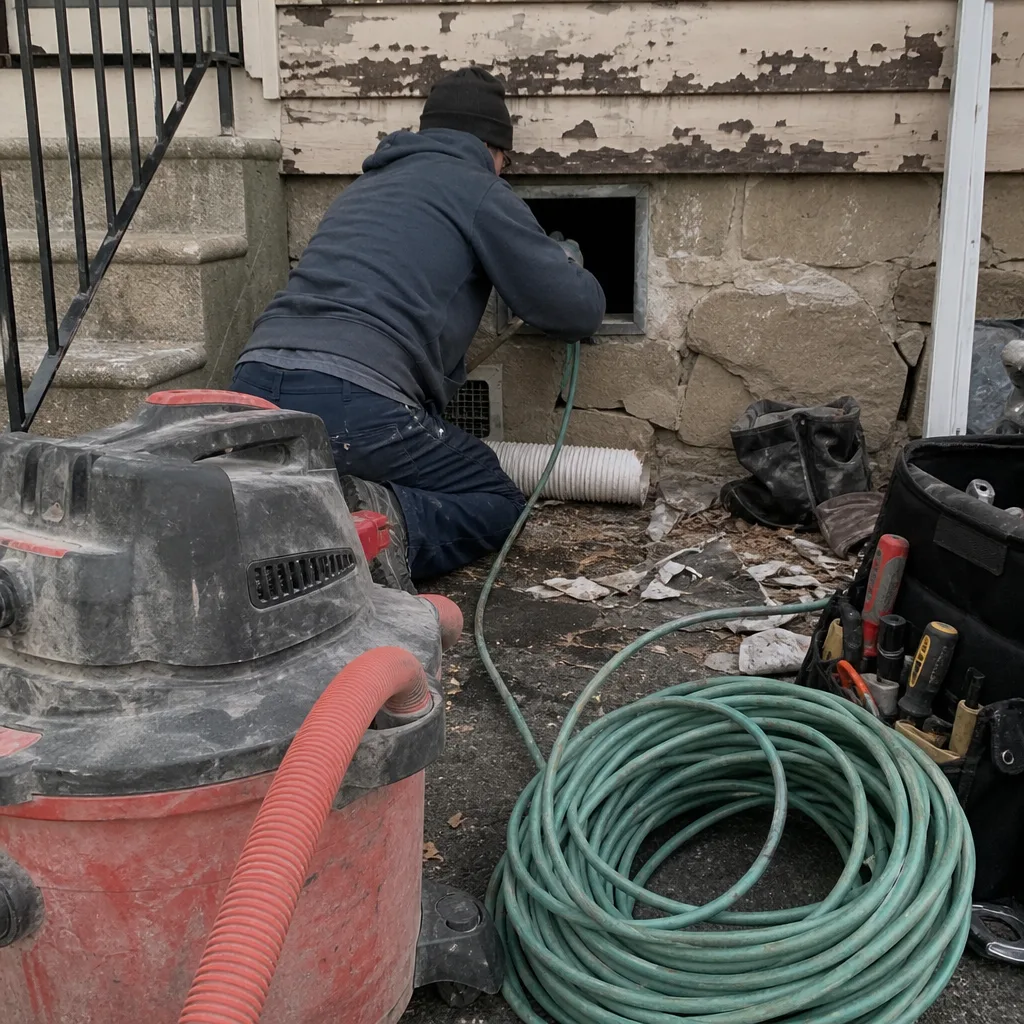 Before
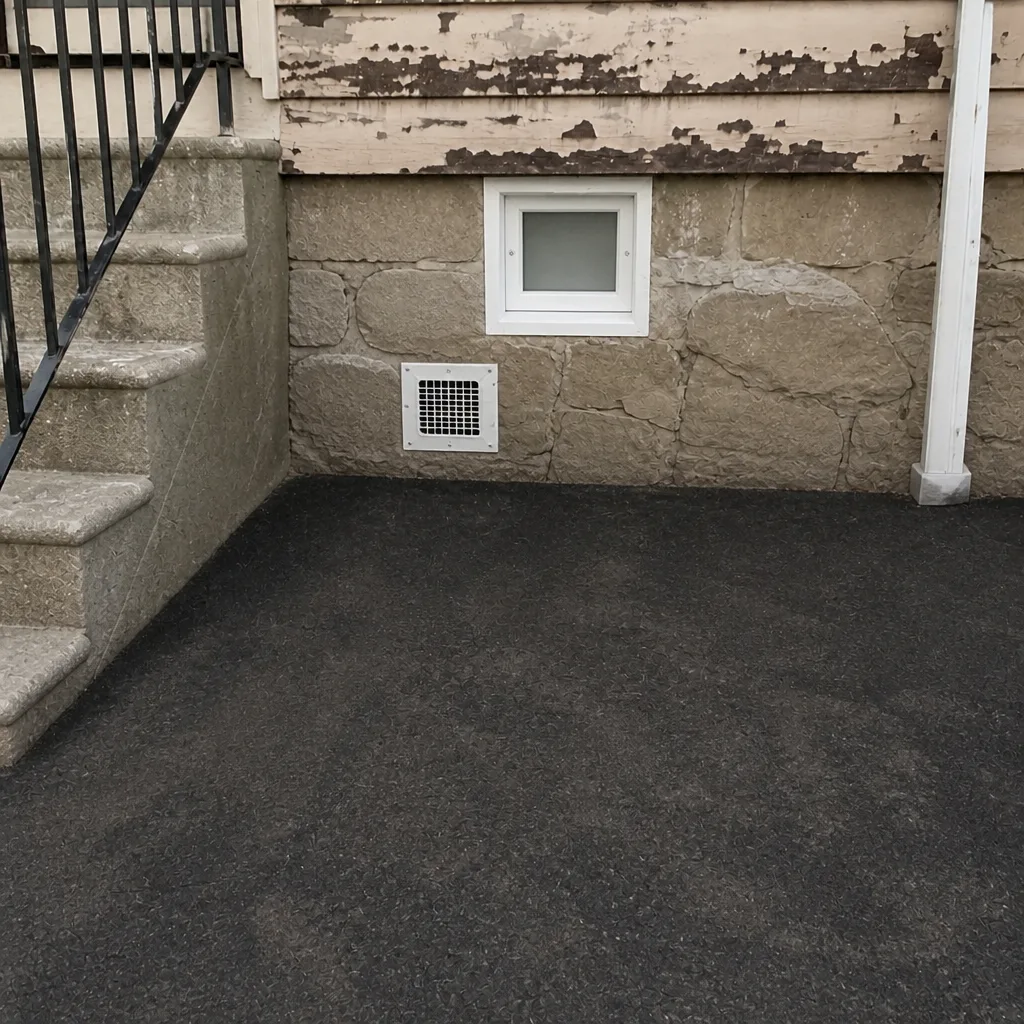 After
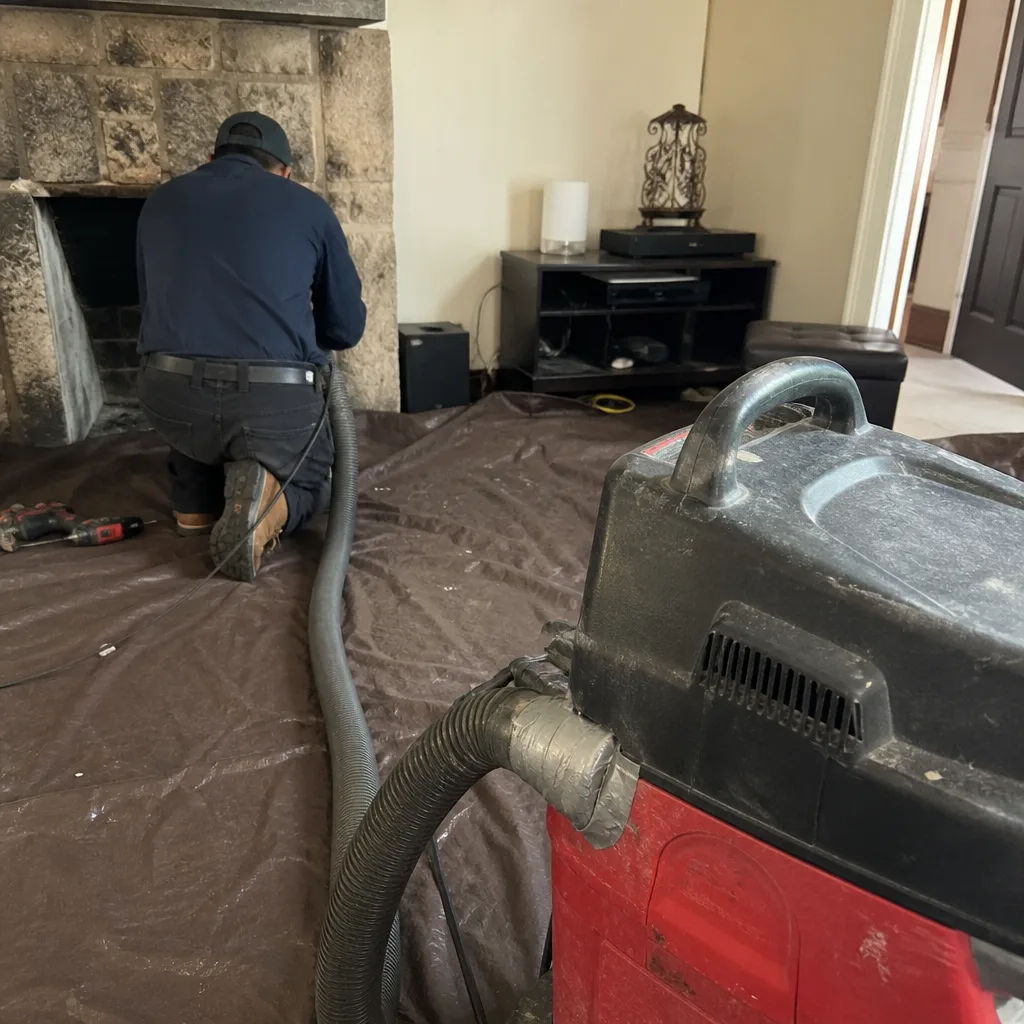 Before
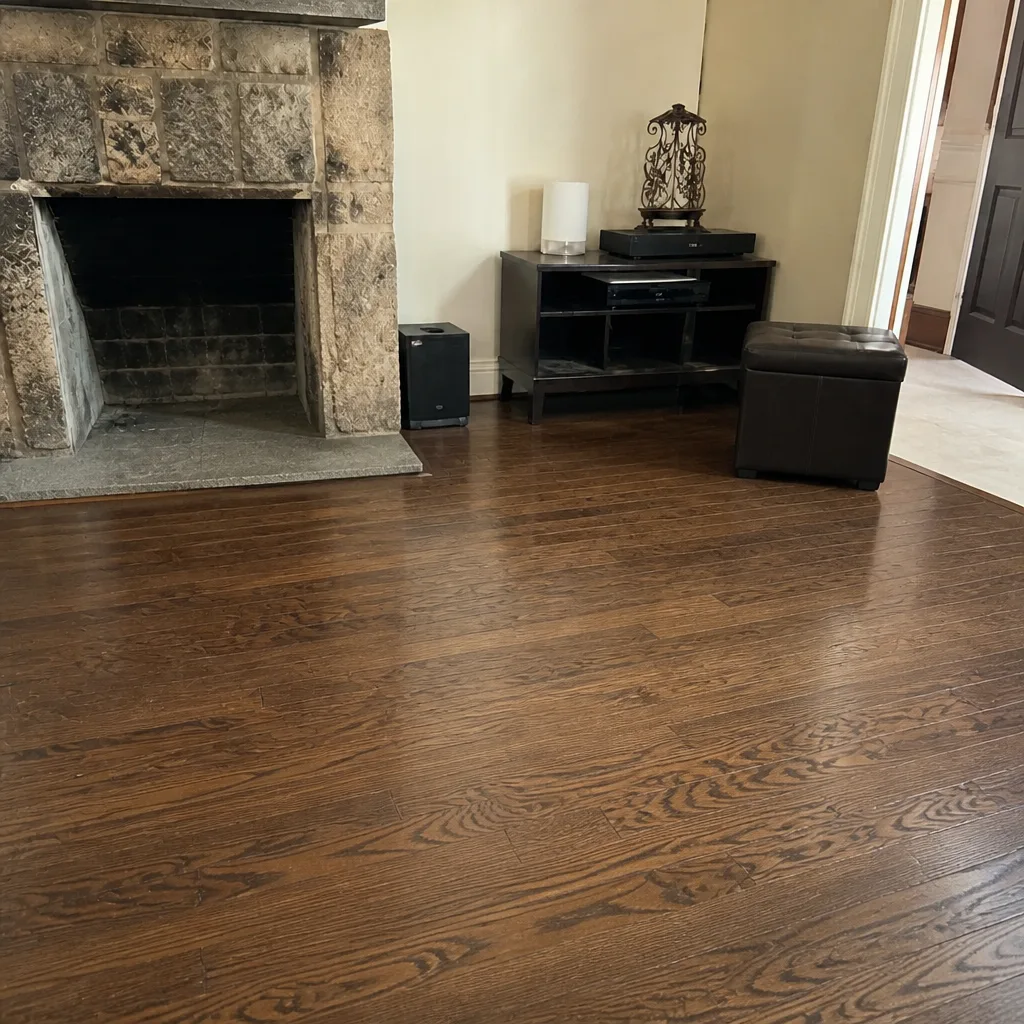 After
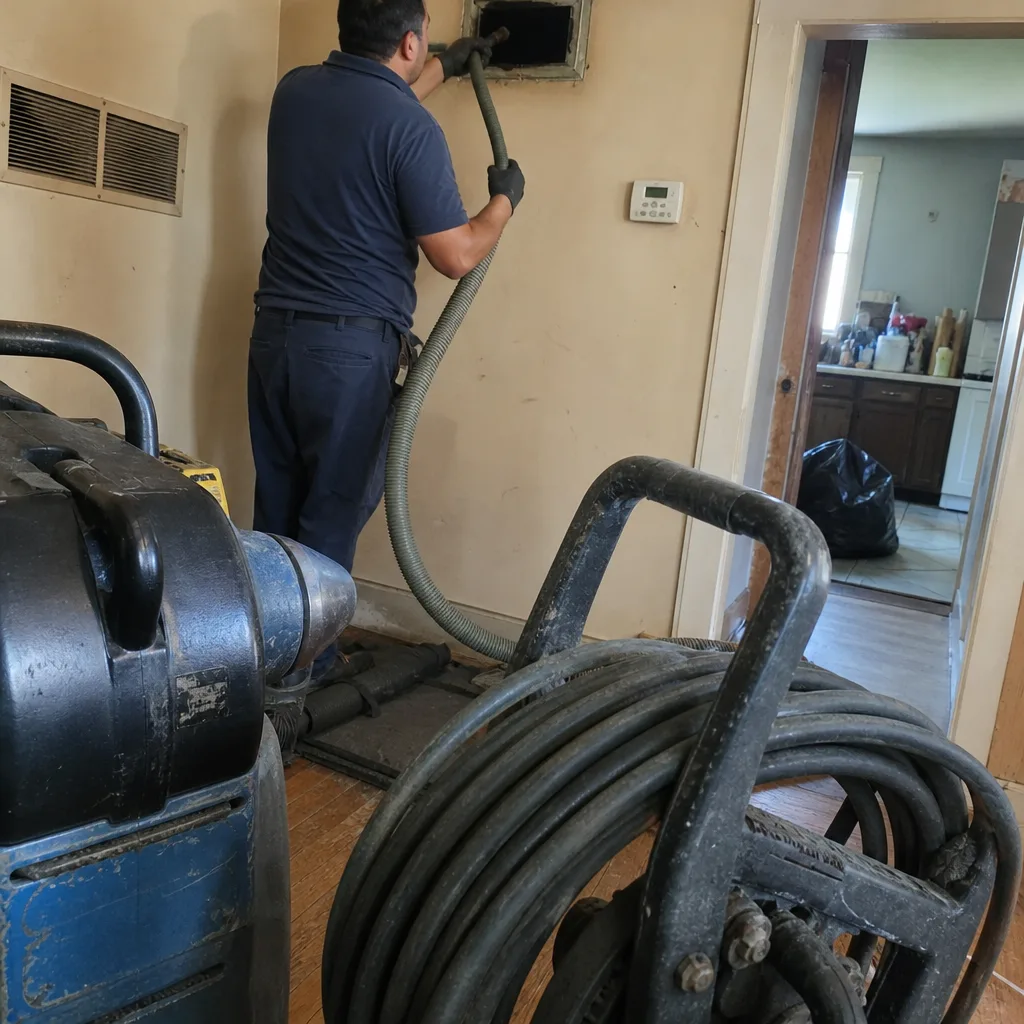 Before
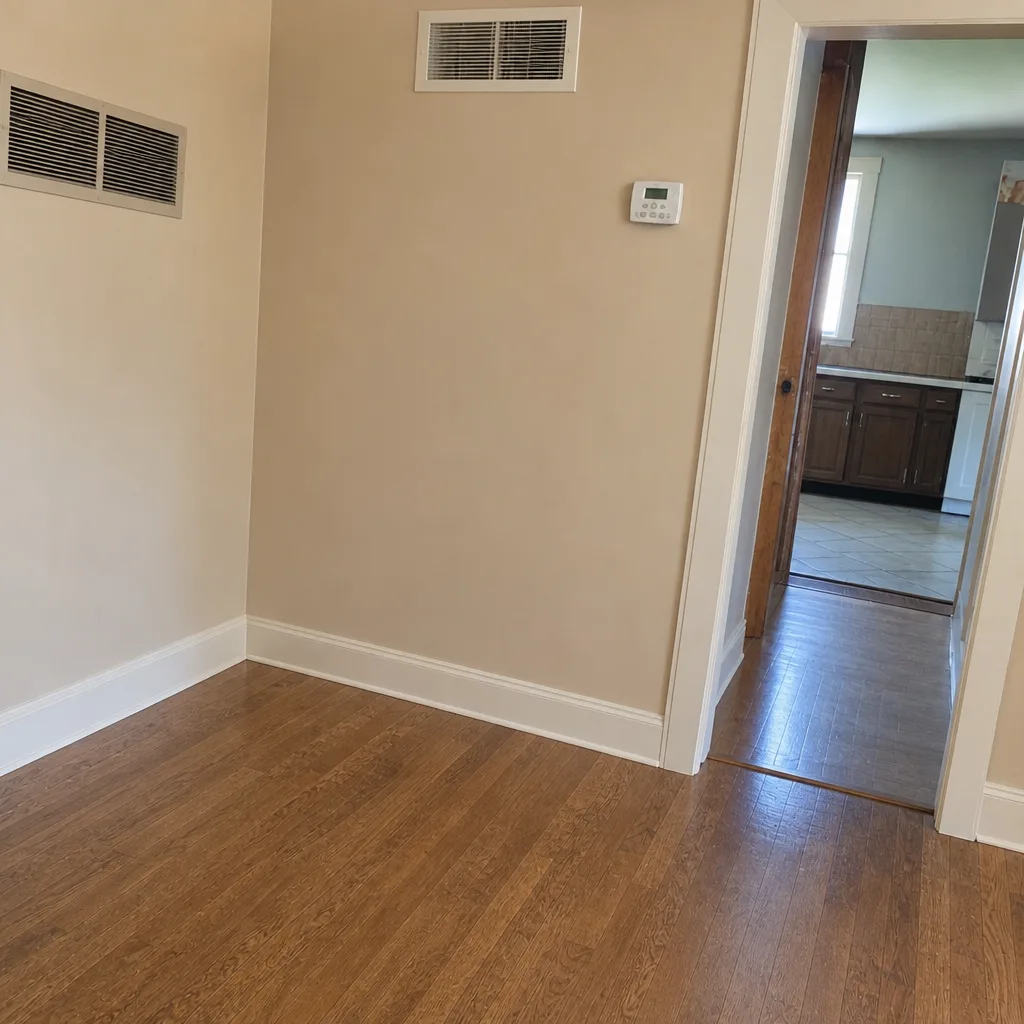 After
When to Call a Professional
Call us if any of these apply: water reached your air handler, plenum, or basement duct runs; your home has had a fire or smoke event and the duct system hasn’t been assessed; a long summer power outage left the system stagnant and musty; you suspect duct liner damage or disconnected ductwork; or your insurer has asked for a documented scope of remediation. Duct Cleaning Paterson offers free estimates in Paterson. Call (844) 967-3384. We answer 24/7, with fast dispatch from 7am to 7pm, Sunday through Friday. Don’t run the system to check; call and we’ll schedule an assessment. Our technicians have up to 11 years of experience with flood, fire, and storm-related duct contamination.
Frequently Asked Questions
Within 24 to 48 hours. Mold growth in water-damaged ductwork can begin within 48 to 72 hours, and by the time it’s visible, contamination has traveled through the system. Shut the HVAC off immediately after the flood and call for an assessment the same day if possible.
No. Running the HVAC after a flood spreads humidity through every duct and gives mold a head start. Shut the system off at the breaker, don’t run fans into the vents, and call a technician to assess the ducts before turning anything back on.
Routine whole-home air duct cleaning typically costs between $350 and $800, depending on system size, vent count, and access. Post-flood or post-fire remediation is a different scope and usually costs more. Call (844) 967-3384 for a free estimate.
Low quotes often skip containment, skip liner assessment, and clean surfaces without addressing contamination in the air handler or plenum. That leaves the growth source in place. Ask any contractor for a written scope that names the equipment and the areas of the system being addressed; if the scope is vague, the quote is cheap for a reason.
A duct system with saturated or delaminated liner, crushed sections, or disconnected joints needs repair or replacement, not cleaning. Surface soot or dust on an intact duct can usually be cleaned. That distinction requires a technician to inspect the liner and the plenum directly, and it doesn’t show up in a photograph.
Photograph water lines, soot patterns, and damaged duct surfaces. Get a written condition report from the contractor. Get the remediation scope of work in writing with materials specified, and keep receipts for any water extraction or debris removal. Your insurer will ask for all of it, and the documentation is much easier to compile before remediation than after.
You can run the system normally after power returns, but watch for musty smells on the first cycles and be alert to visible dust from vents. Stagnant, humid air during a long outage can seed growth in a dust-coated duct system, and a musty smell is the first sign. If you notice it, call (844) 967-3384 for a free estimate.
The Bottom Line
Duct problems after a flood, fire, or storm follow the same clock: the earlier you shut the system off and get an assessment, the better the outcome. Run the system and you spread the contamination. Document the damage before remediation and the insurance process goes smoother. And when the ducts themselves are damaged, cleaning won’t save them; Duct Cleaning Paterson does both cleaning and repair because a duct system that’s compromised needs the fix, not a pass-through vacuum. Our technicians work with Rotobrush and Nikro systems and Abatement Technologies containment equipment, so we can handle a routine cleaning or a full post-flood remediation. Call (844) 967-3384 for a free estimate. We answer 24/7 with fast dispatch from 7am to 7pm, Sunday through Friday.
Written by the team at Duct Cleaning Paterson.