
Last updated November 16, 2026
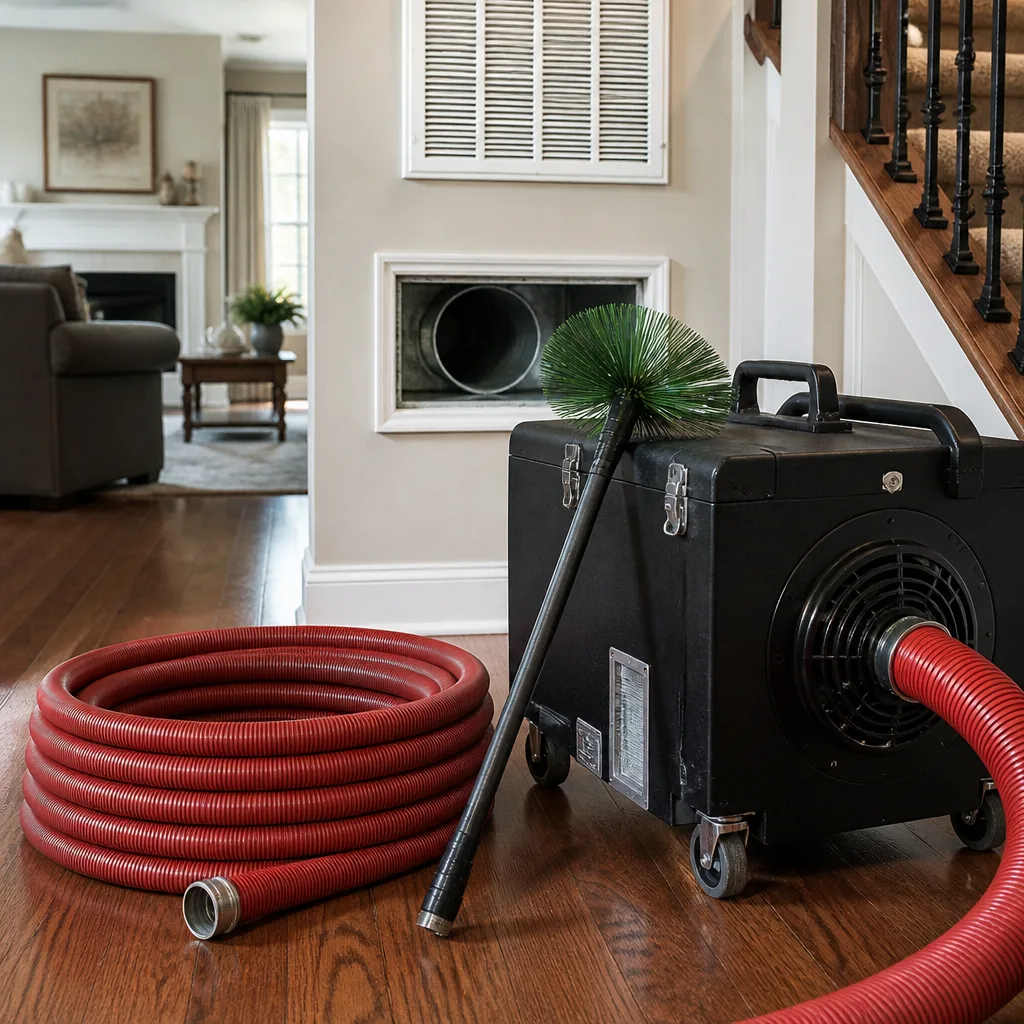 Whole-home duct cleaning
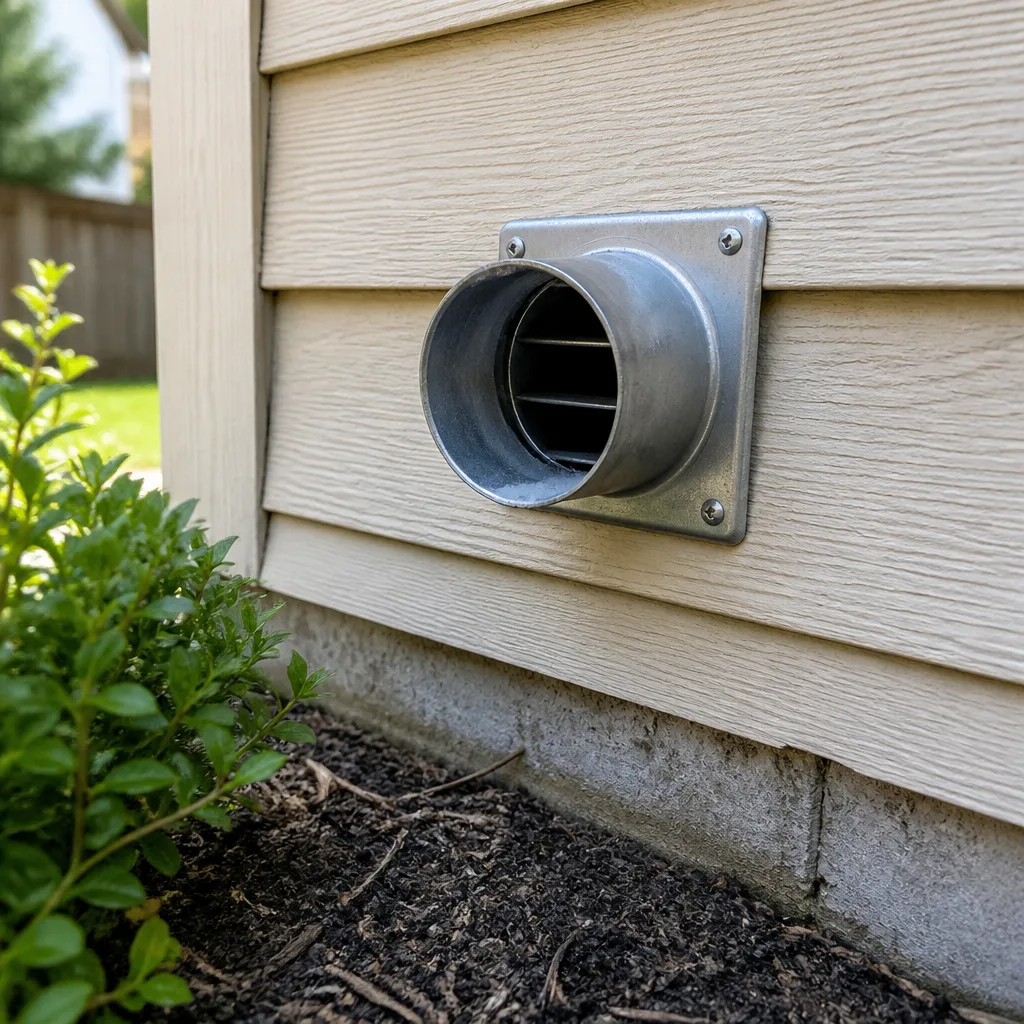 Dryer vent cleaning
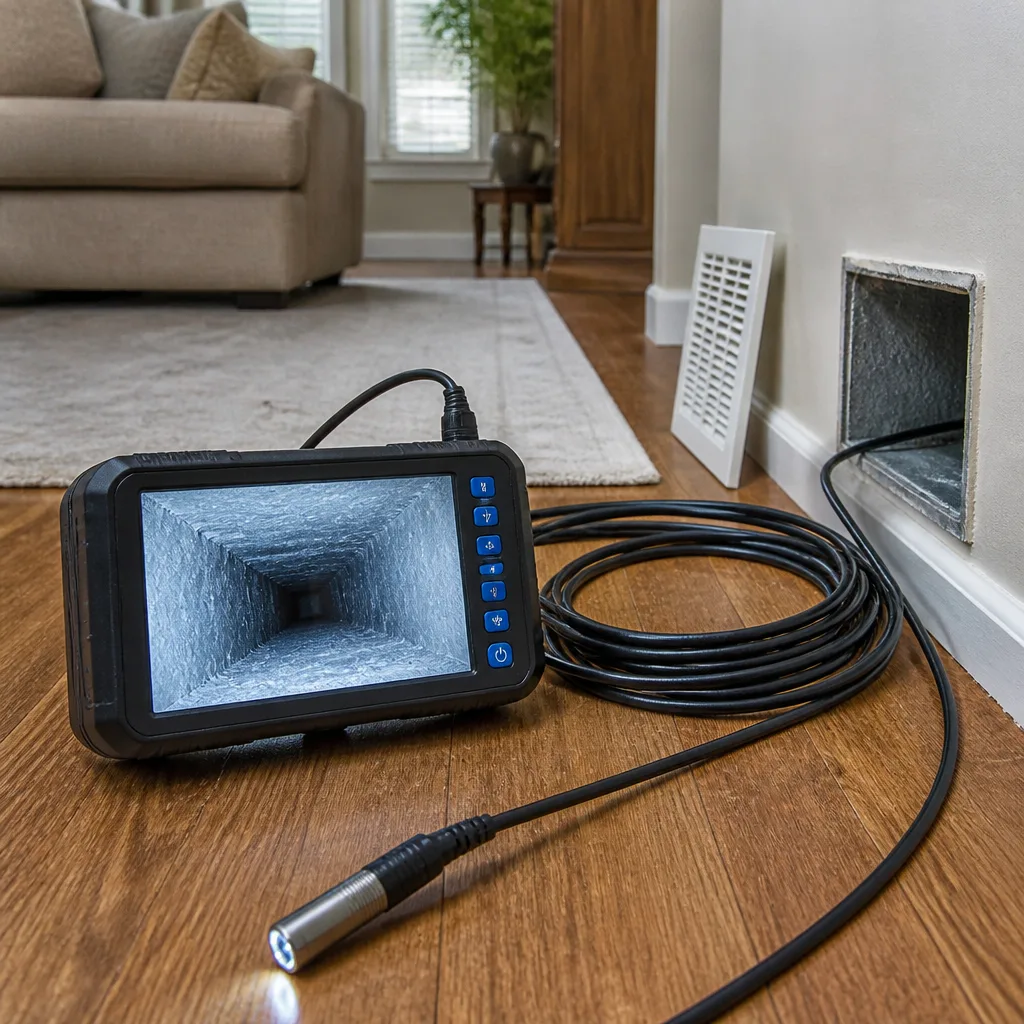 Camera inspection
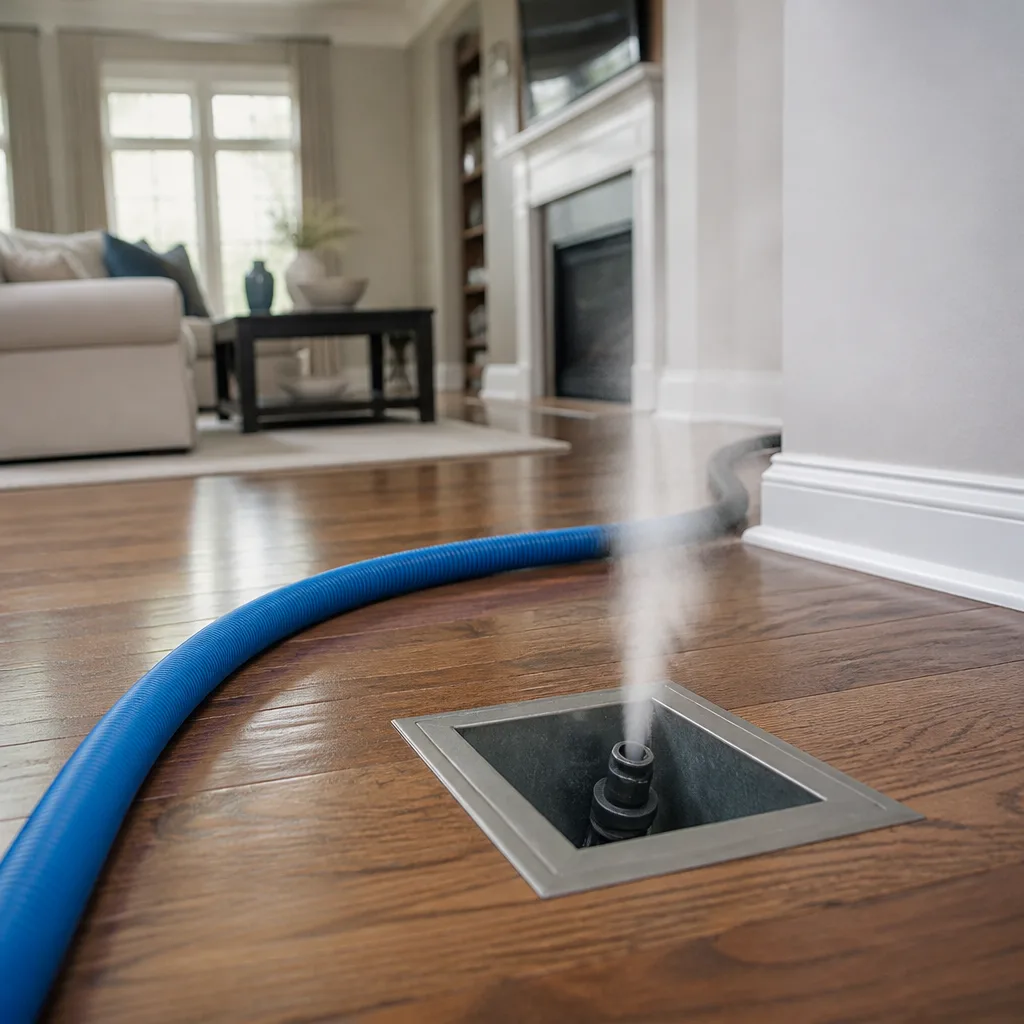 Sanitizing & deodorizing
Whole-system duct and dryer vent check with before-and-after photos - you see exactly what came out of your vents
That "$99 whole-house special" is a bait ad - the real number appears once they are in your hallway, or the "clean" is a shop-vac at the register. We photograph the inside of your ducts before and after instead.
Air Duct Cleaning Warning Signs: A Paterson Homeowner’s Reference Guide
A musty smell when the heat kicks on isn’t automatically a mold problem. In our experience, it’s just as often a dirty heat exchanger, a dry condensate trap, or dust settled on the coils burning off for the first time in months. Knowing which one you’re dealing with changes who you call and what you spend. That distinction sits at the heart of this guide. Most warning signs homeowners notice in Paterson are subtle and easy to explain away, but each one points to a specific cause. We’ll walk through what those signals mean and how to sort a cleaning issue from a system issue.
Quick Answer
The main air duct warning signs are persistent dust around supply registers, musty or burning odors that appear when the system starts, uneven room temperatures, visible buildup at the air handler, and hissing or whistling at vent boots. These signals tell you whether your ducts need cleaning, whether air is leaking past a seam or boot, or whether the ductwork itself is damaged and needs repair. Sorting that out early is what keeps a small issue from turning into a bigger one.
Styles & brands we work with
- Whole-home duct cleaning
- Dryer vent cleaning
- Camera inspection
- Sanitizing & deodorizing
Table of Contents
- Odors: Duct Issue or Air Handler Issue?
- What Dust Rings Around Supply Registers Actually Mean
- Uneven Room Temperatures as a Duct Signal
- What to Look For at the Air Handler
- Signs That Point Beyond Cleaning to Duct Damage
- Why Paterson Homes See These Signs
- Common Mistakes to Avoid
- When to Call a Professional
Odors: Duct Issue or Air Handler Issue?
A smell that shows up only when the system runs can come from two very different places: the ductwork itself, or the air handler that pushes air through it. Separating those two origins is the first useful diagnostic step, and it’s one you can take before anyone shows up.
Duct odors tend to be musty, earthy, or vaguely like a damp basement. They build from settled dust, microbial growth on damp surfaces inside the duct, or debris that gathered near a register. Air handler odors often smell more like hot dust, scorched metal, or a faint electrical tang. Those come from dust burning off a heat exchanger, a dry condensate trap that has lost its water seal, or buildup on the blower and coils.
Here’s a simple test that helps distinguish them. Hold a paper towel or a strip of tissue against a supply register while the system runs. If the tissue picks up dark dust and the odor is stronger right at the grille, the signal is pointing toward the ducts. If the smell is just as strong near the air handler closet and the grille stays relatively clean, look harder at the equipment.
One caution worth stating plainly: if you ever smell gas or a rotten-egg odor, stop and call your gas utility. That is not a duct issue and it is not something to investigate yourself. For odors that are clearly dust or dampness, a professional inspection tells you what you’re dealing with. We carry Abatement Technologies containment equipment for jobs that turn out to be heavier contamination than expected.
What Dust Rings Around Supply Registers Actually Mean
A dark ring of dust around a supply register is one of the most common things homeowners point to, and it rarely means only one thing. That ring is a symptom with three possible causes, and each one calls for a different fix.
- Filter bypass. Air sneaking around the edges of a filter that doesn’t seat well, or one that’s been pushed out of its slot, carries dust past the filter and deposits it right at the grille. The filter looks fine but it isn’t doing its job.
- Duct leakage at the boot. The boot is the fitting where the duct meets the register. If it’s not sealed tight to the drywall or subfloor, air escapes and dust settles in the gap, then shows up as a ring.
- High static pressure and turbulence. When the system pushes harder than the ductwork can handle, air exits the grille with more velocity and throws dust onto the surrounding surface. That usually points to a restriction or an undersized run somewhere upstream.
Paterson’s older housing stock makes the first two especially common. Many homes here were built decades ago and have had HVAC systems swapped or added over the years, and the filter cabinet often doesn’t match the equipment as cleanly as it once did. A ring by itself doesn’t prove the ducts are filthy. It proves air is moving in a way it shouldn’t. That’s why an honest inspection looks at the boot and the filter housing before quoting a cleaning.
Uneven Room Temperatures as a Duct Signal
When one room never keeps up, homeowners often assume the furnace or AC is failing. Sometimes the equipment is fine and the problem lives in the ducts. There are three broad explanations, and they lead to three different remedies.
- A blocked supply (a cleaning issue). Debris, a collapsed liner, or an obstruction in a branch run starves that room of air. Cleaning or clearing the run restores flow.
- Duct leakage (a sealing issue). If a branch run has pulled apart or a seam has opened, conditioned air leaks into a wall cavity or attic before it ever reaches the room. The register feels weak because most of the air is going somewhere else.
- A design issue (an undersized branch). Sometimes the run was simply never sized to deliver enough air to that room. No amount of cleaning fixes a duct that’s too small, and a proper diagnosis says so instead of selling a cleaning that won’t help.
Sorting these apart is the difference between a fix and a repeat visit. A room that’s cold in winter and stays cold is a strong signal to look at the duct, not just the thermostat. If you want to know how the full cleaning process works in these cases, our page on air duct cleaning walks through it step by step. When the diagnosis turns out to be a leak or a disconnected run, we treat that as repair work, which is a separate service from cleaning. We don’t just move dust around; we fix what’s causing it.
What to Look For at the Air Handler
The air handler is where the system breathes, so it shows buildup earlier than the registers do. A few visual checks at the unit reveal whether cleaning is overdue, and they don’t require opening anything you shouldn’t.
Blower wheel buildup. If you can see the blower wheel, look at its blades. A clean wheel has distinct fins. A loaded one has fins caked in a mat of dust that blurs the edges together. That buildup cuts airflow and throws dust downstream.
Coil face discoloration. The evaporator coil should look relatively uniform. Grayish or matted patches across the face mean the coil is fouled, and fouled coils both reduce efficiency and give dust a place to collect.
Filter collapse marks. Look at the filter media itself. If it’s bowed inward, torn, or crushed at one corner, it’s been pulled by a pressure problem or seated wrong. That’s a bypass signal again, and it points to the filter housing as much as the filter.
If you’re seeing more than one of these, cleaning is likely overdue. Honeywell and Aprilaire filtration upgrades are worth discussing afterward, because a better filter setup keeps the blower and coil cleaner for longer. One safety note here: the air handler sits next to electrical components and, in many setups, a gas burner. Don’t remove panels or reach into the unit yourself. Those parts carry real hazard, and a trained technician should be the one to inspect and clean them.
Signs That Point Beyond Cleaning to Duct Damage
Some warning signs tell you the ducts need more than a vacuum. They tell you the ductwork is physically compromised. These are the signals that separate a cleaning call from a repair call, and catching them early is what saves you a bigger bill later.
- Hissing or whistling at supply boots. Air escaping a gap makes noise. A steady hiss at a boot often means the connection has opened up and is leaking into the wall.
- Visible flex duct sagging or disconnected sections. Flex duct that sags loses efficiency, and a run that’s pulled completely apart is sending conditioned air into an attic or cavity instead of the room.
- A sudden jump in utility bills with no change in usage. If your habits haven’t changed and the bill climbs, leaking or disconnected ducts are a prime suspect.
In older Paterson homes, ductwork has often been added, extended, or patched over the years, and flex runs in particular can kink or come loose. When we find these conditions, cleaning alone won’t fix them. Air Duct Repair is a standalone service for exactly this reason: it addresses damaged, disconnected, or leaking ductwork that cleaning can’t correct. If you’ve noticed any of the three signs above, ask for an inspection that checks the duct connections, not just the duct interior. This is where duct cleaning in Paterson and repair diverge, and a good provider will tell you which you actually need.
Why Paterson Homes See These Signs
Paterson’s mix of housing shapes and ages creates specific conditions for duct problems. A lot of the housing here is older and was built before modern ducted HVAC was standard, which means systems have been retrofitted into homes that weren’t designed for them. That retrofit history is why filter housings, boots, and branch runs often don’t line up as neatly as they would in a newer build.
The climate adds its own pressures. Winters here get cold enough that systems run hard for months, and that run time drives dust and moisture through the ductwork constantly. Summers bring humid stretches that let dampness linger inside a duct that never fully dries out. That combination means airflow problems in Paterson don’t stay small. A bypass at a register in a newer home might just make a dust ring. In an older home with a long, hard-working heating season, it pushes more dust through the whole system.
Different neighborhoods see different patterns. Dense multifamily blocks in the city core often have shared duct paths and tighter mechanical closets, which concentrate both dust and noise. Single-family streets on the edges see more sprawling retrofitted systems where a sagging flex run is common. None of this changes the core signs, but it does change what a technician looks at first. If you’re working out whether to schedule a visit, our Paterson service page covers how we approach local homes.
Common Mistakes to Avoid
- Assuming a smell means mold. Most musty smells trace back to dust, a dry condensate trap, or a fouled coil, not mold. Chasing mold before diagnosing the actual source wastes money and often misses the real fix.
- Treating a dust ring as proof of a filthy duct system. A ring points to filter bypass or a leaking boot as often as it points to dirty ducts. Ask any provider to check the boot and filter housing before quoting a cleaning.
- Buying a cleaning to fix uneven temperatures. If the room is starved by a disconnected or undersized run, cleaning won’t warm it. Get a diagnosis that separates cleaning from repair.
- Ignoring hissing or whistling at a register. That noise is air leaking into a wall or cavity, and it’s a repair signal, not a cleaning one. Dismissing it lets an easy fix grow into a bigger one.
- Replacing filters with mismatched sizes. A filter that doesn’t seat lets dust bypass it. In Paterson’s retrofitted systems, the filter cabinet frequently takes a different size than the homeowner assumes.
- Assuming a bill jump is the utility’s fault. A usage spike with no habit change often points to leaking ducts. Check the duct connections before blaming the rates.
- Booking a cleaning without before-and-after evidence promised. A vague job with no photos of your own ducts leaves you guessing whether the work happened. Ask for before-and-after photos up front.
When to Call a Professional
Some signs are fine to sort out with a filter change and a close look. Others are worth a call. If you smell gas, call your utility immediately and don’t touch anything. If the smell is musty or dusty, the dust rings keep coming back, one room stays cold, or you hear hissing at a boot, it’s time to have someone diagnose the system. Visible buildup at the blower or coil, or a utility bill that jumped without explanation, are the clearest reasons to book an inspection.
One honest note about cost. A lot of the frustration in this industry comes from a low teaser price that balloons once a technician is on site. We set one flat price per system, agreed before any work starts, with no per-vent pricing, and we provide before-and-after photos of your own ducts. Duct Cleaning Paterson offers free estimates in Paterson, and our technicians have up to 11 years of experience. Call (844) 967-3384. We answer 24/7. Fast dispatch from 7am to 7pm, Sunday through Friday.
See the difference
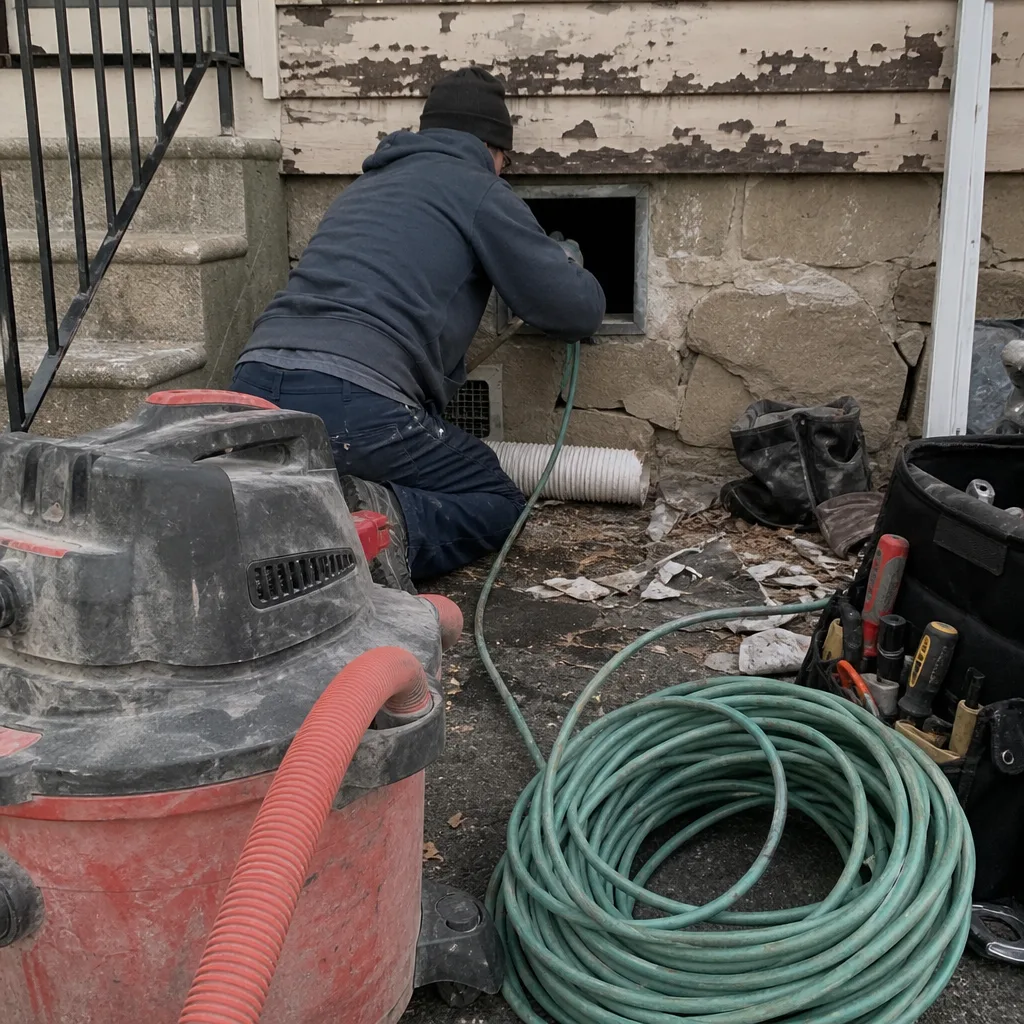 Before
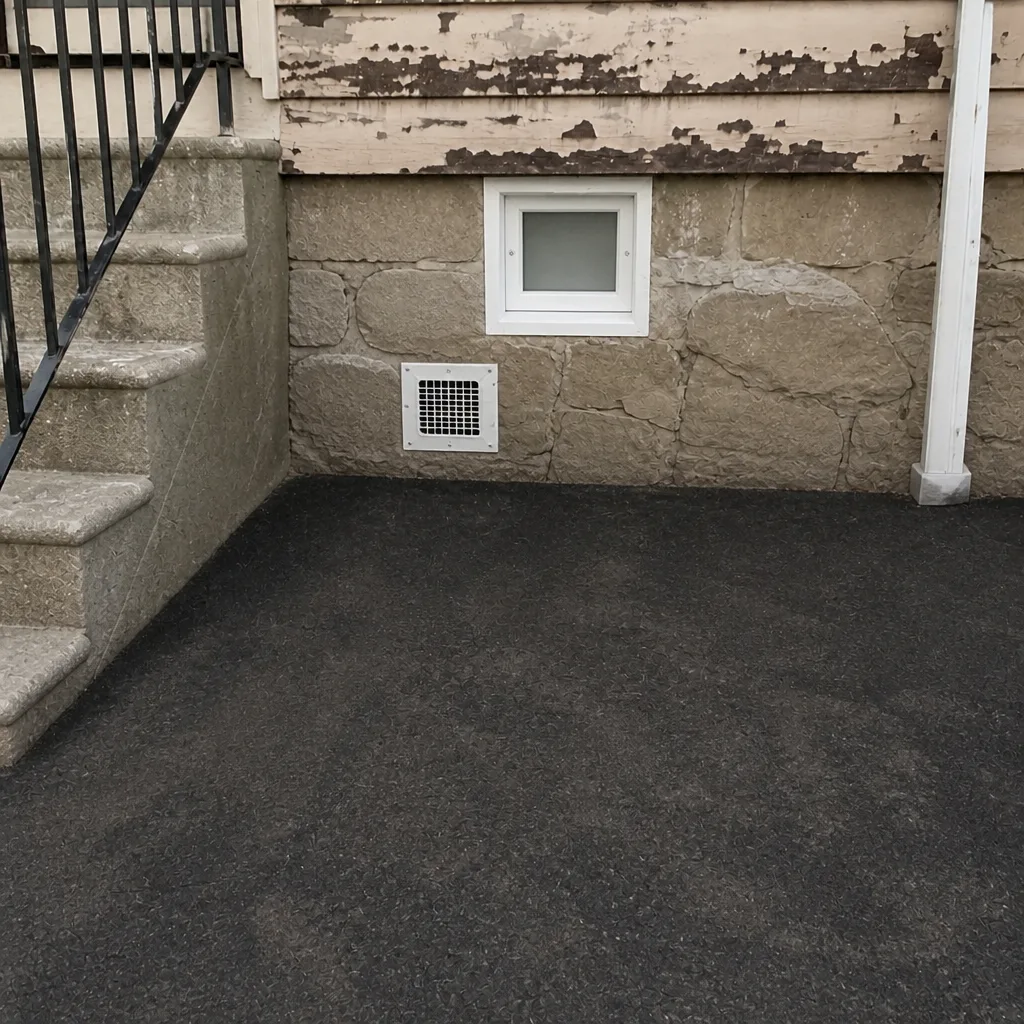 After
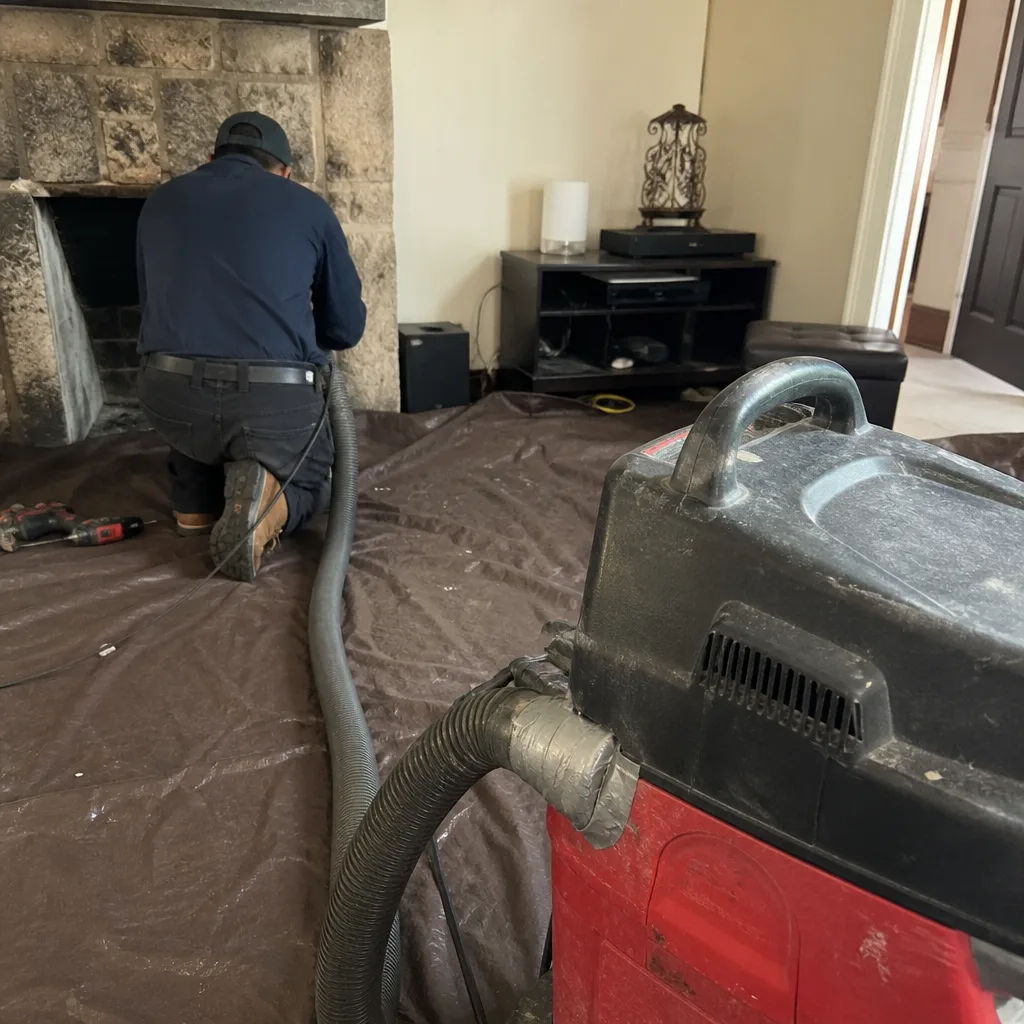 Before
 After
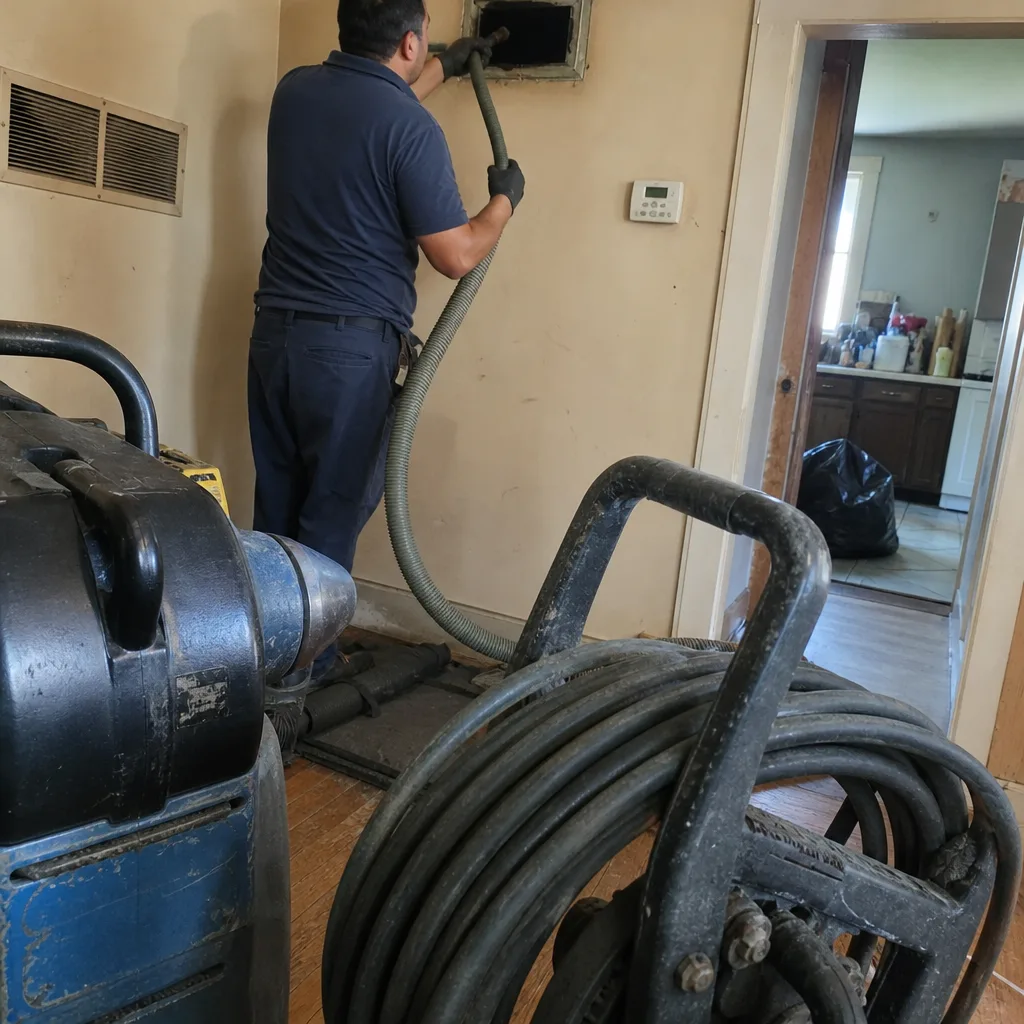 Before
 After
Frequently Asked Questions
You need cleaning when you have persistent dust at registers despite regular filter changes, musty or dusty odors when the system runs, or visible buildup on the blower wheel and coil face. A single dust ring or one cold room doesn’t settle it. The signs that matter are ones that keep coming back.
No. A musty smell is often dust, a fouled coil, or a dry condensate trap rather than mold. The paper-towel test at a register helps you see whether the source is in the ducts or at the air handler. Call (844) 967-3384 for an exact diagnosis; the estimate is free.
One room staying cold usually means a blocked supply, a leaking or disconnected duct, or an undersized branch run. Cleaning fixes a blockage; repair fixes a leak. Knowing which one you have before booking saves you from paying for the wrong service.
Hissing or whistling at a supply boot usually means air is escaping a gap where the duct meets the register. That’s a repair signal, not a cleaning one. If you hear it, ask for an inspection that checks the duct connections.
Cleaning helps airflow, but a sudden bill jump with no change in usage usually points to leaking or disconnected ducts. Cleaning alone won’t fix a leak. Repair is the right service there, so get an inspection that tells the two apart.
Very low quotes often use a teaser price that grows once the technician is on site, or a quick pass with consumer-grade equipment that doesn’t reach the buildup. Ask for one flat price per system agreed before work starts, and before-and-after photos of your own ducts. Call (844) 967-3384 for a quote you can compare honestly.
The Bottom Line
Most duct warning signs in Paterson point to one clear cause once you know what to look for. Odors split between the ducts and the air handler. Dust rings point to filter bypass, a leaking boot, or high static pressure. Uneven rooms separate into blocked runs, leaking runs, and undersized ones. Buildup at the blower and coil says cleaning is overdue, while hissing, sagging flex, and unexplained bill jumps say repair is overdue. Read the signals first, so you call for the right service. Our dryer vent cleaning team covers the other duct in your home that deserves the same attention, because a clogged vent is a fire-safety concern, not an afterthought. If you’re not sure which sign you’re looking at, call (844) 967-3384 for a free estimate. We answer 24/7. Fast dispatch from 7am to 7pm, Sunday through Friday.
Written by the team at Duct Cleaning Paterson.