
Last updated November 16, 2026
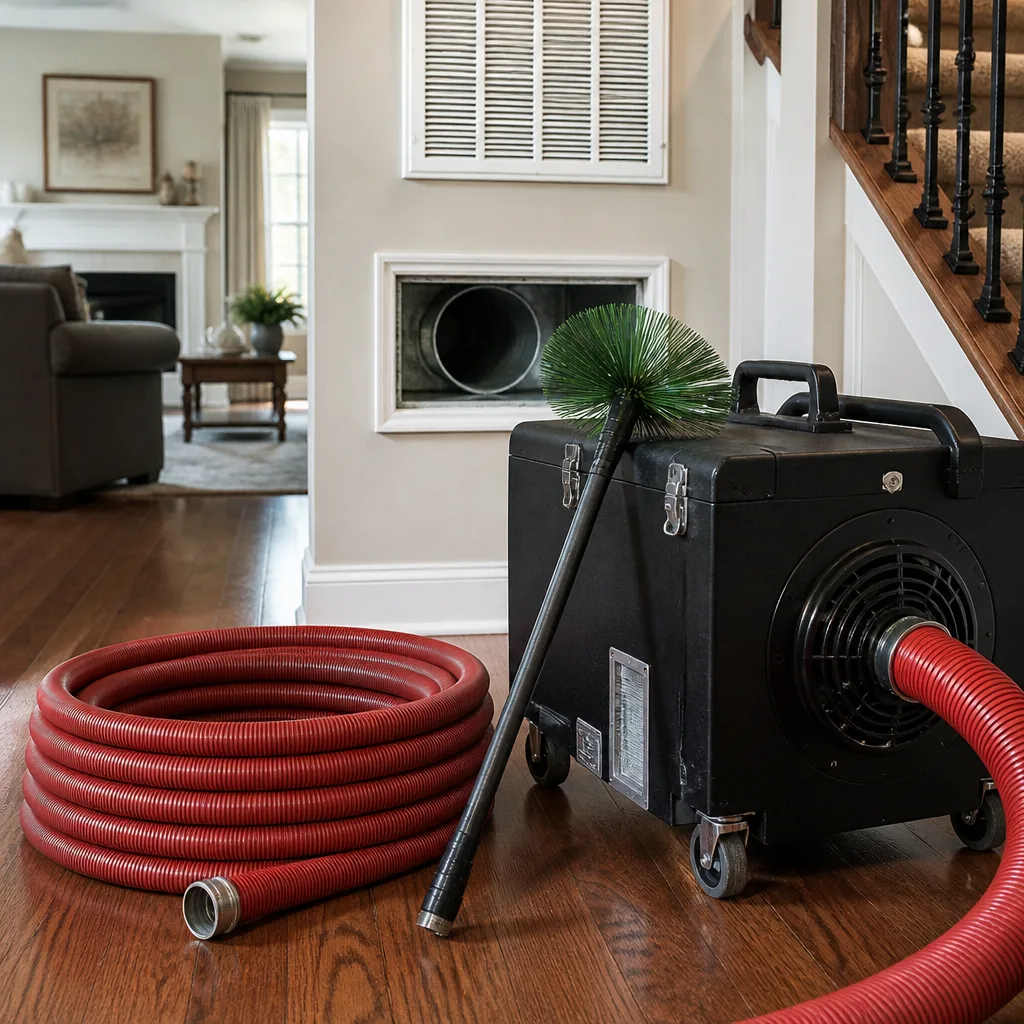 Whole-home duct cleaning
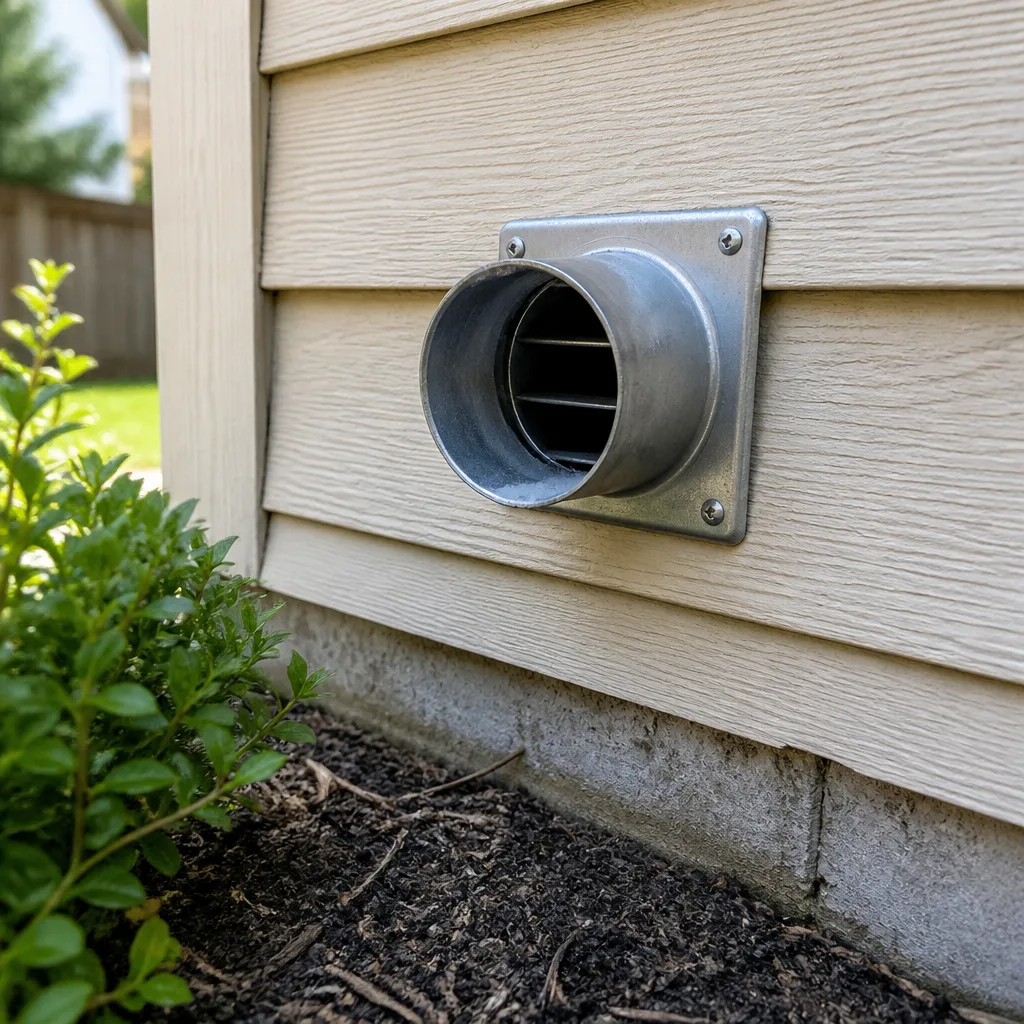 Dryer vent cleaning
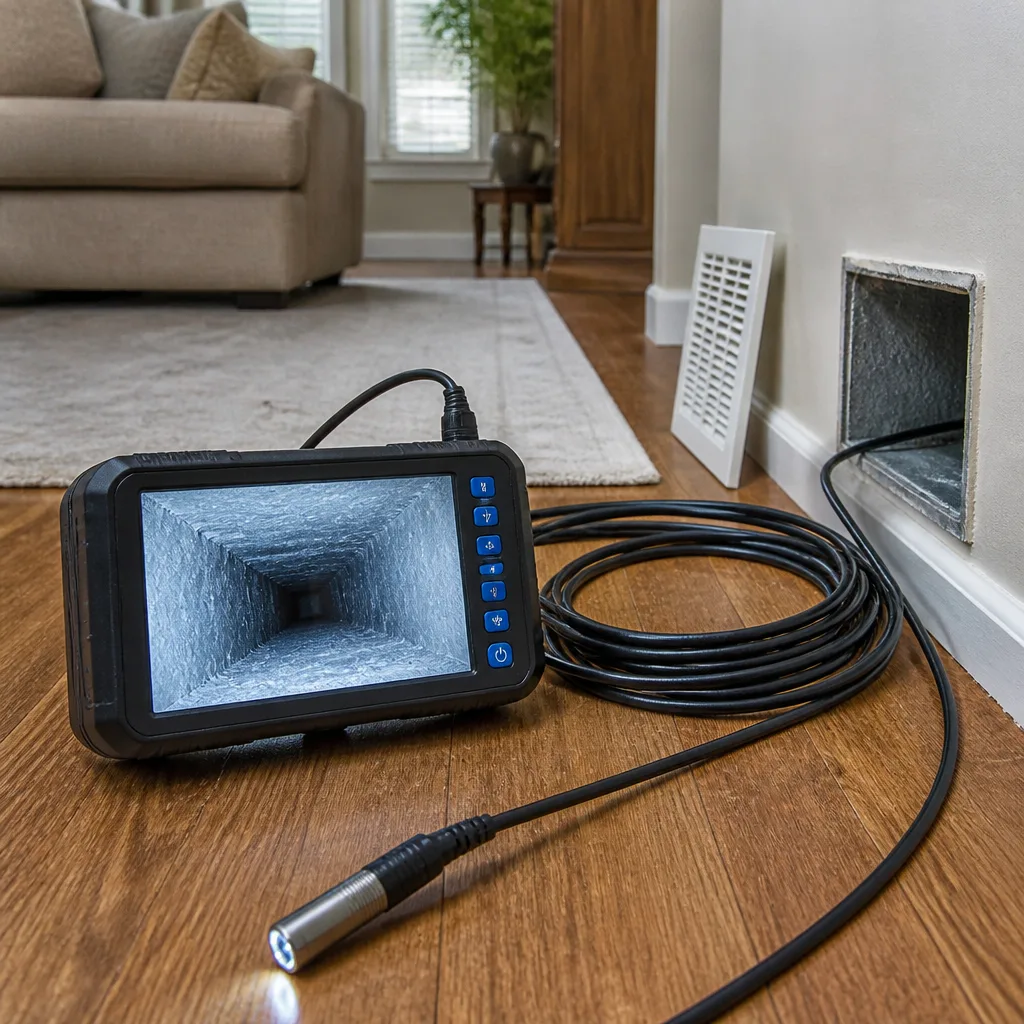 Camera inspection
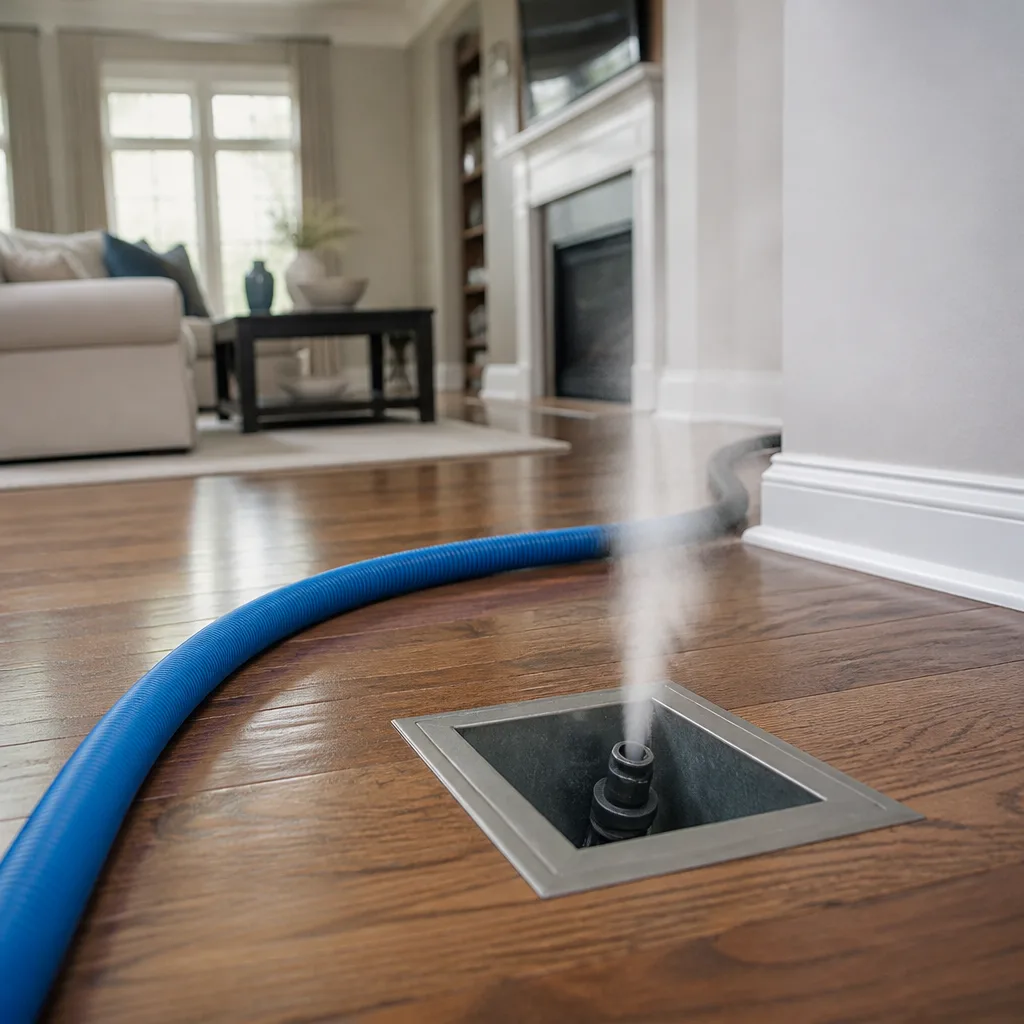 Sanitizing & deodorizing
Whole-system duct and dryer vent check with before-and-after photos - you see exactly what came out of your vents
That "$99 whole-house special" is a bait ad - the real number appears once they are in your hallway, or the "clean" is a shop-vac at the register. We photograph the inside of your ducts before and after instead.
How to Hire an Air Duct Cleaning Contractor in Paterson: A Step-by-Step Guide
Most homeowners in Paterson start their search for duct cleaning by comparing prices. That’s the wrong first move, and it’s exactly the opening the wrong kind of contractor is waiting for. The trade has a well-documented fraud problem: low teaser bids that balloon once the system is opened, antimicrobial upsells pushed on the first visit, and equipment that makes noise without doing the work. New Jersey doesn’t license duct cleaners the way it licenses electricians, so nobody verifies credentials for you before a van pulls into your driveway. This guide gives you the specific questions, verification steps, and written-scope habits that filter out the bad actors before anyone enters your house in Paterson.
Quick Answer
To hire a duct cleaning contractor in Paterson, verify three things before you book: the equipment they actually bring (HEPA collection, a named vacuum platform like Rotobrush or Nikro, and camera inspection), a written scope of work naming every zone and component, and a full price quoted before any access panel comes off. A contractor who won’t put those in writing, or who quotes a final number only after opening your system, is the one to walk away from. Everything else in this guide is how to check those three things properly.
Styles & brands we work with
- Whole-home duct cleaning
- Dryer vent cleaning
- Camera inspection
- Sanitizing & deodorizing
Table of Contents
- Why Paterson Homeowners Need to Ask Harder Questions
- What NADCA Membership Really Verifies
- The Four Equipment Questions to Ask Before Booking
- Red Flags in the Home: Sales Tactics to Recognize
- How to Build a Written Scope of Work
- Why the Lowest Bid in Paterson Reflects Less Work
- How to Confirm the Work Was Actually Done
- When Cleaning Isn’t Enough: Duct Repair
Why Paterson Homeowners Need to Ask Harder Questions
Duct cleaning in New Jersey sits in a strange regulatory gap. Electricians, plumbers, and HVAC contractors all face state licensing and inspection requirements. Duct cleaning, as a standalone trade, does not. That means the burden of due diligence lands on the homeowner, and in a city like Paterson, where so much of the housing stock is old and the housing market is tight, that diligence matters more than it would in a new-build suburb.
Paterson’s neighborhoods tell the story. The dense blocks of the 1st and 2nd Wards, the older homes around Sandy Hill and Totowa, and the multi-family properties throughout the city’s core often have ductwork that has been modified, extended, or partially disconnected over decades of renovation. A basement conversion adds a run. A kitchen reno reroutes a trunk. Layer that over a humid summer and a heating season that runs long, and you get systems that collect debris in places a visual inspection of the registers will never show. When you read through our guide to Paterson, you’ll see why the local housing mix puts a premium on contractors who inspect before they quote.
None of this means every contractor in the area is a problem. It means you can’t assume a license or a city permit is checking anyone’s work on your behalf. The questions in the sections below are how you check it yourself. In our experience, the contractors who answer them clearly and without hesitation are the ones who tend to do the job properly, and the ones who deflect are the ones worth avoiding.
What NADCA Membership Really Verifies
NADCA, the National Air Duct Cleaners Association, is the industry’s main trade body. Membership is often marketed to homeowners as a trust signal, and it is one, but it verifies less than most people assume. Knowing exactly what it covers helps you use it correctly.
What NADCA membership does verify:
- A certified technician on staff. At least one person at the company has passed the association’s Air Systems Cleaning Specialist exam, which covers assessment, cleaning methods, and source removal principles.
- Adherence to the ACR standard. Members commit to the NADCA ACR standard, which sets out how a duct system should be assessed, cleaned, and verified afterward. ACR stands for Assessment, Cleaning, and Restoration.
- A public code of ethics. Members agree to a code of conduct that includes not using misleading offers and not performing unnecessary services.
What NADCA membership does not verify:
- That the certified technician is the person who shows up at your door.
- That the company owns the equipment it brings. Rental units exist, and some subcontract out the actual work.
- Any license number, insurance policy, or state registration, because New Jersey doesn’t issue one for this trade.
- Price. A member can still bid low and upsell.
Membership is easy to verify. NADCA maintains a searchable member directory on its website, and you can look up any company by name before booking. The directory is the only way to confirm the claim is real, because a logo on a flyer or a sticker on a van proves nothing. If a contractor in Paterson claims membership and the directory doesn’t list them, that’s a hard stop.
The Four Equipment Questions to Ask Before Booking
Equipment is where the difference between a real cleaning and a vacuum pass becomes visible. Ask these four questions on the phone, before anyone is scheduled. A serious contractor answers them in a sentence or two. A contractor who gets vague or changes the subject is telling you something.
- What is the CFM rating of the vacuum you’ll use? CFM stands for cubic feet per minute, and it measures how much air the collection unit pulls. Professional duct cleaning vacuums are rated in the thousands. Consumer shop vacs and box-store machines are not. A contractor who can’t state the rating is likely running equipment that won’t move the debris that’s stuck to the duct walls.
- Is collection HEPA-filtered? HEPA filtration traps the fine particulate that gets released when ducts are agitated. Without it, the cleaning can redistribute dust through the house rather than remove it. Ask specifically whether the vacuum is HEPA-rated and whether it’s vented outside or contained.
- What agitation tools do you use? A vacuum alone pulls loose dust. Agitation tools are what break the bonded material off the duct walls: rotary brushes, whips, air jets, and directional nozzles. Ask which tools will be used on your system and why. A trunk line and a flexible branch take different tools.
- Do you bring camera inspection capability? Cameras let a technician show you what the inside of a duct actually looks like, before and after. It also lets them spot disconnected joints, collapsed sections, and debris the cleaning can’t reach. A contractor who can’t inspect visually is guessing.
At an equipment level, the professional platforms in this trade are specific. Rotobrush is a rotary brush system built to agitate and extract in one pass. Nikro manufactures commercial vacuum and containment equipment. Abatement Technologies makes negative-air machines and HEPA containment units used on contamination-level jobs, where dust needs to be controlled in the room, not just inside the duct. When a contractor names their platforms, you can look them up and check the specs yourself.
The last equipment question worth asking is about air quality products. If you want filtration or humidity work after the cleaning, ask whether they’re familiar with Honeywell or Aprilaire systems. Those are the two names most often involved in whole-home IAQ upgrades, and a contractor who works with them regularly will know how to fit them into the system you already have.
Red Flags in the Home: Sales Tactics to Recognize
Most of the bad experiences in this trade happen after the technician is already in the house. The pitch changes once the system is opened, and the homeowner is looking at a bill that’s already in progress. Here are the tactics to recognize.
- Quoting a final price only after opening the system. A professional quotes a range based on what they can see before work starts, then adjusts only if they find something specific and explains it. A contractor who opens the access panel first and then names a price is using your system as collateral.
- Recommending antimicrobial fogging on the first visit. Fogging is a chemical treatment that coats surfaces inside the system. It isn’t a substitute for source removal, and in most homes it isn’t necessary. If it’s offered before the ducts have been cleaned, the contractor is selling a product, not solving a problem.
- Citing mold without a written sample report. “There’s mold in your ducts” is a claim that requires evidence. A legitimate mold finding comes from lab analysis of air or surface samples, with a report you can read. Without that report, the mold claim is an upsell anchor.
- Bait offers. The EPA has specifically warned homeowners about “$99 whole-house” duct cleaning offers, calling them a frequent entry point for high-pressure upsells and substandard work. These offers still run regularly in Paterson-area circulars. The number is real but the job it pays for is not.
- Pressure to decide on the spot. Any legitimate service can be scheduled for another day. A contractor who says the price only holds if you sign now is using urgency to shut down your ability to compare.
In our experience, the single best defense against these tactics is the written scope of work, covered in the next section. It removes the ambiguity the seller depends on.
How to Build a Written Scope of Work
The written scope is the document that converts a verbal promise into an enforceable job. It should be one page, specific, and agreed before any tool comes out of the van. Here is what it needs to contain.
- Which zones are included. List the areas of the home that will be cleaned: the main trunk, the supply branches, the return ducts, and any basement or attic runs. Ambiguous scopes are where the “extra zone” upsell comes from.
- Which components are included. Registers and grilles, boots, plenum connections, and the air handler. Each of these is a separate item, and a scope that names them prevents later disagreement about what “whole house” meant.
- What equipment will be used. The vacuum platform and CFM rating, the filtration type (HEPA or not), and the agitation tools. Repeat what you learned from the phone questions.
- What post-cleaning verification looks like. Camera photos of the ducts before and after, a visual check of each zone, and a walkthrough with you present. If the contractor uses a camera, the photos should be shared with you, not just taken.
- The full quoted price. A flat price per system, agreed before work starts, with any known conditional items named in advance. Not a range that depends on what gets found.
Write this down or ask the contractor to. A scope of work that only exists on the invoice, after the job, is not a scope of work. It’s a record of what you already paid for.
One more piece worth including: a line about dryer vents. If the scope covers the HVAC ductwork only and the dryer vent is a separate service, say so. dryer vent cleaning is a fire-safety service, not a cleaning add-on, and it deserves its own scope, its own price, and its own verification. Lint accumulation in a dryer vent is a leading cause of house fires, and it’s a job that either gets done properly or doesn’t get done.
Why the Lowest Bid in Paterson Reflects Less Work
When a homeowner compares three quotes and one is half the price of the others, the instinct is to assume the others are overcharging. The more likely explanation is that the low bid involves fewer labor hours and less equipment. Duct cleaning is not a product you buy; it’s time, tools, and containment.
Here is what a low bid usually trims:
- Fewer zones cleaned. A “whole house” price that covers the main trunk and two registers is not the same job as one that covers every supply and return.
- Less agitation time. Running a vacuum over the registers for fifteen minutes is faster than brushing and extracting each run. It also doesn’t remove the material bonded to the duct walls.
- Cheaper collection. A non-HEPA vacuum with a short hose is a fraction of the cost of a HEPA-rated professional unit. The dust goes somewhere; the question is whether it leaves the house.
- No camera inspection. Skipping inspection saves time and equipment. It also means the contractor can’t see whether the ducts are actually clean when they’re done.
- No containment in older homes. In a Paterson house with a converted basement or an attic run, dust control in the room matters. Low bids rarely include containment.
None of this makes a mid-priced contractor automatically honest. It does mean the price comparison is only fair when the scopes match. Ask each contractor for their written scope first, then compare prices line by line. A quote is only meaningful against the job it describes.
How to Confirm the Work Was Actually Done
The question every homeowner asks after the van pulls away is simple: how do I know? Here’s how to build that certainty into the appointment itself.
- Ask for before-and-after camera photos of your own ducts. Not stock photos, not a generic gallery. Your system, your photos, taken during the visit.
- Walk the zones with the technician. Look at the registers, the boots, and any accessible ductwork after cleaning. If the technician has finished and is packing up, ask for the walkthrough before they leave.
- Check the filter and air handler. A proper cleaning includes a look at the air handler and a filter change or recommendation. If neither was touched, ask why.
- Keep the written scope and the invoice together. The two documents should match. If the invoice lists items the scope didn’t, that’s a conversation to have the same day.
- Ask about the duct joints. A camera inspection often finds disconnected or leaking joints in older homes. If any were found, ask what was done or recommended about them, because cleaning a system with disconnected ducts doesn’t solve the underlying problem.
For a fuller picture of what a cleaned system should look like, our page on air duct cleaning walks through the process step by step, and it’s worth a read before you book so you know what to expect on the day.
When Cleaning Isn’t Enough: Duct Repair
Some duct problems can’t be solved by cleaning. Disconnected runs, crushed flexible duct in a tight basement, leaks at joints, and sections that were never properly sealed all let conditioned air escape into the walls or attic. Cleaning those ducts makes them cleaner without making them work.
That’s why we treat duct repair as its own service, not a line item inside a cleaning quote. A repair scope names the specific sections to be fixed, the materials involved, and how the repair will be verified. Sometimes the repair is a reconnection at a boot. Sometimes it’s replacing a run of damaged flex duct. Sometimes it’s sealing joints in the trunk with mastic and tape. What matters is that the fix is identified on the camera, quoted on paper, and completed as its own job.
If your system has a disconnected run, a crushed section, or visible leakage at the registers, ask for a repair assessment before scheduling cleaning. Cleaning a broken system is money spent on the wrong problem. Our team handles all three services – cleaning, dryer vents, and repair – under one provider, which means the same person who inspects the ducts can actually fix what they find.
Common Mistakes to Avoid
- Booking on price alone. The cheapest quote in Paterson is usually cheaper because it covers fewer zones, less agitation, or no inspection. Compare scopes before comparing numbers, or you’re comparing two different jobs.
- Skipping the NADCA directory check. A logo on a van or a flyer proves nothing. Look the company up in the NADCA member directory before you book, and if they aren’t listed, ask why.
- Accepting a verbal scope. “Whole house” means ten different things to ten contractors. Get the zones, components, and equipment in writing before the appointment.
- Approving antimicrobial fogging on the first visit. Fogging is a chemical treatment, not a cleaning step. If it’s pushed before source removal, it’s a product sale, and it doesn’t replace actual cleaning.
- Hiring a contractor who can’t inspect. Without a camera, there’s no way to see the inside of the ducts before or after. That means no way to know what was done or what was missed.
- Treating dryer vents as an afterthought. Lint in a dryer vent is a fire fuel. If the vent hasn’t been cleaned in years, it needs its own appointment and its own verification, not a quick pass at the end of a duct job.
- Missing the repair conversation. If the camera shows a disconnected or damaged run, cleaning the rest of the system won’t fix it. Ask for a repair assessment and a separate written quote.
See the difference
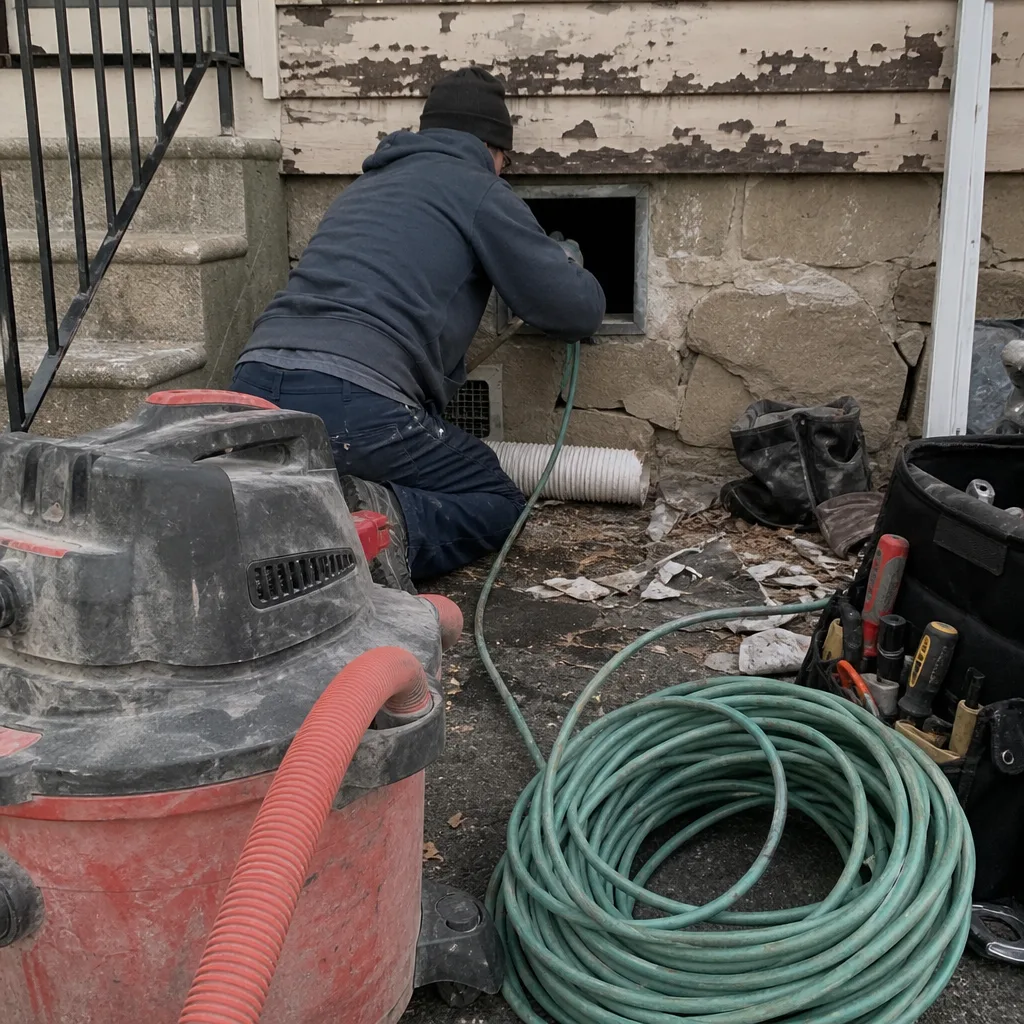 Before
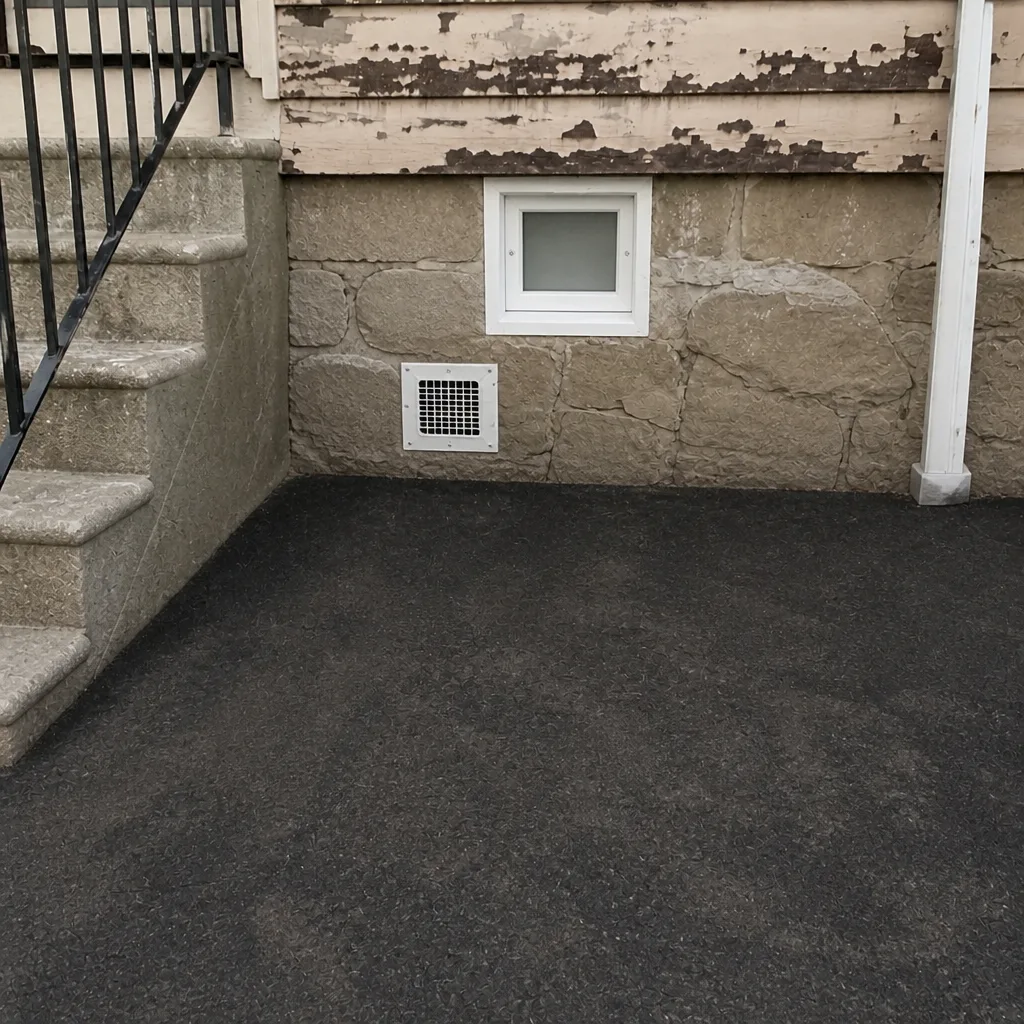 After
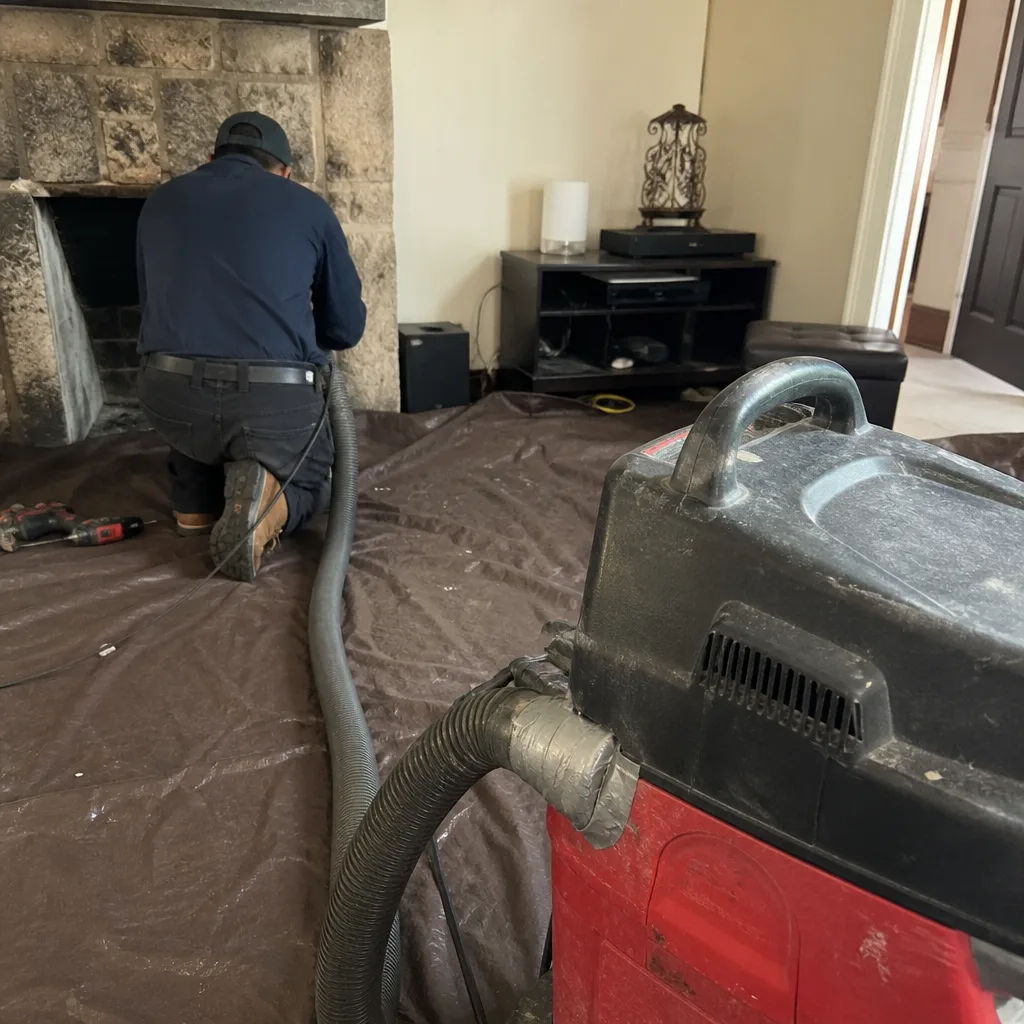 Before
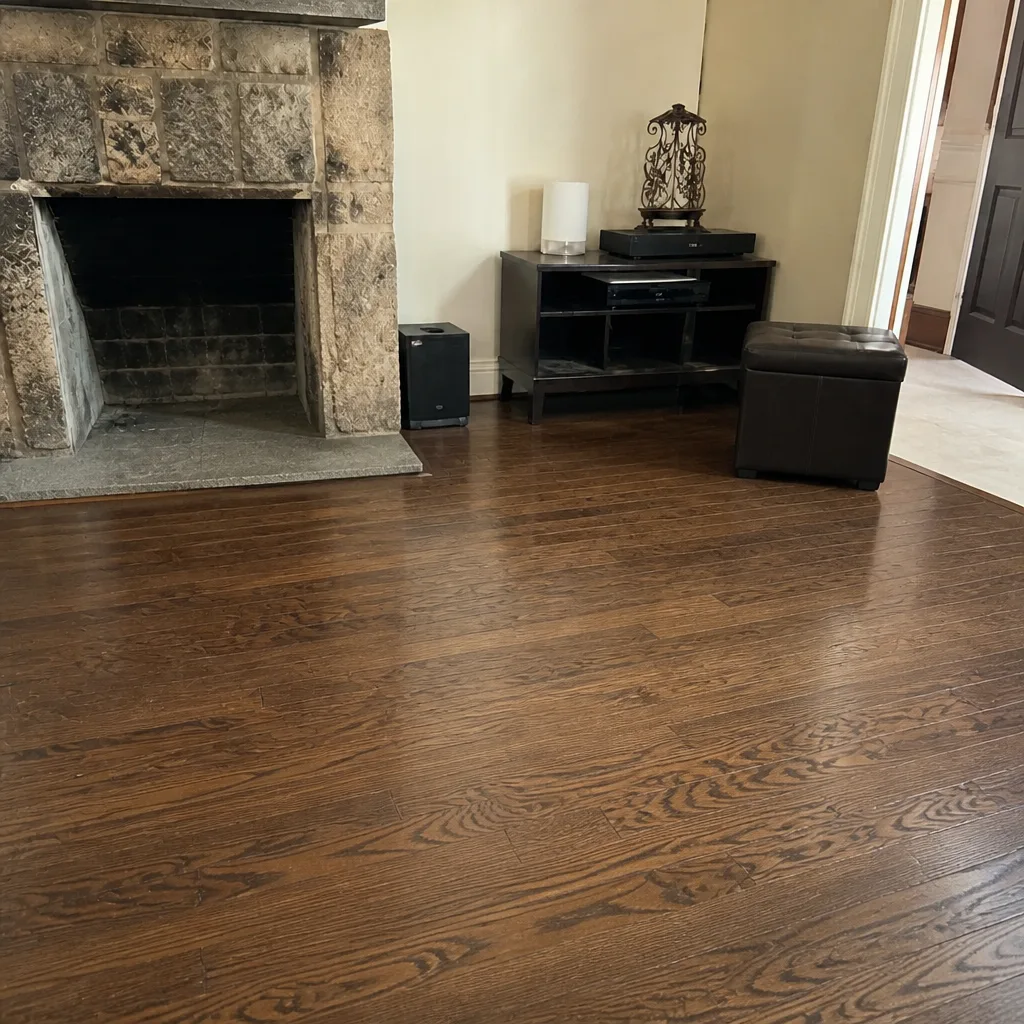 After
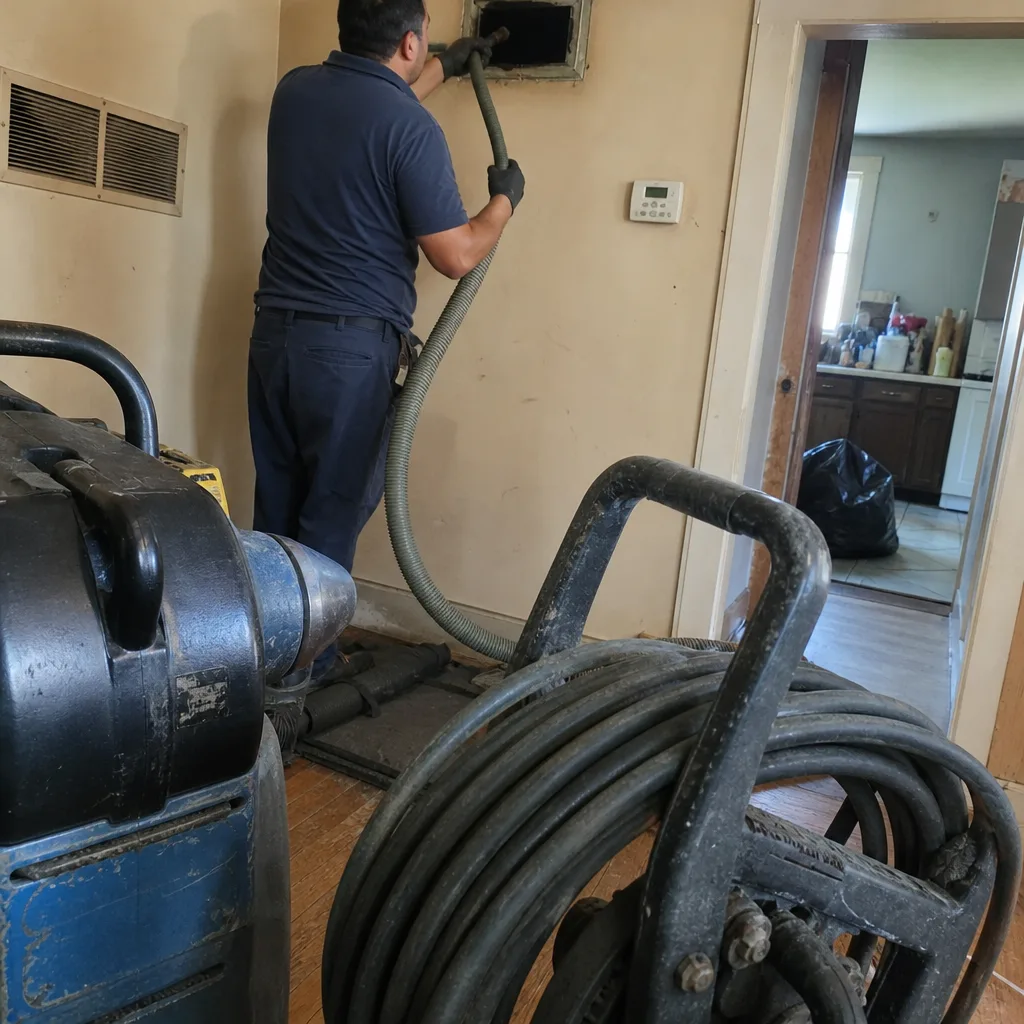 Before
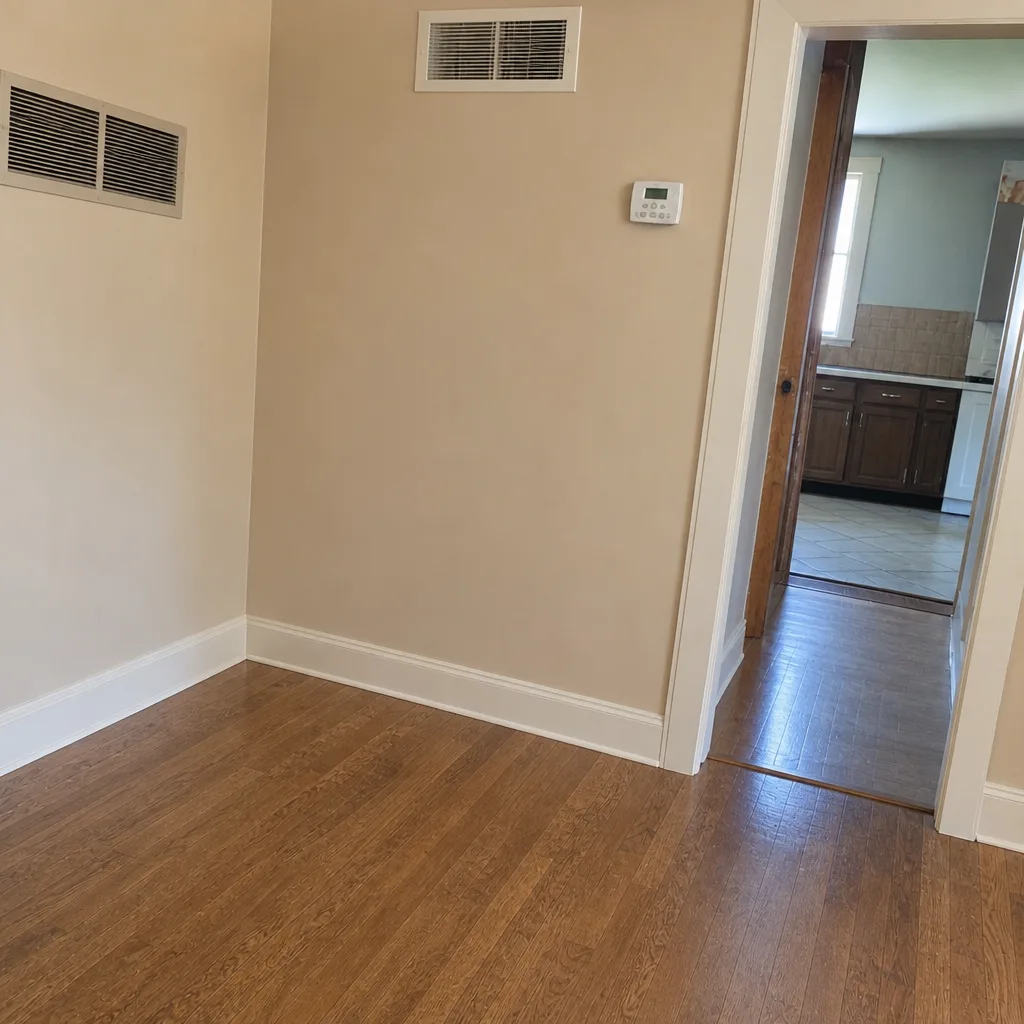 After
When to Call a Professional
Some duct issues are worth a call right away, without waiting for a seasonal cleaning. If you’re seeing visible dust blowing from the registers when the heat or AC kicks on, that’s a sign the system is redistributing what should be trapped. If there’s a persistent musty or stale smell when the blower runs, the source is usually inside the ductwork or the air handler, and it needs inspection. If a family member’s allergies or asthma symptoms get worse indoors, or if the ducts haven’t been looked at since a major renovation, a professional assessment is the sensible next step. If the dryer is taking longer than usual to dry a load, or the vent flap outside doesn’t open fully, that’s a fire-safety call, not a convenience one. And if a camera inspection finds a disconnected or crushed run, that’s a repair job only a technician with the right equipment can do properly. Duct Cleaning Paterson offers free estimates in Paterson – call (844) 967-3384. We answer 24/7. Fast dispatch from 7am to 7pm, Sunday through Friday.
Frequently Asked Questions
In Paterson, air duct cleaning is typically priced per system rather than per vent or per hour, and the final price is set by a written estimate after the contractor sees the system. Whole-system cleaning ranges vary widely because the scope varies – a single-family home with a basement and an attic run is a bigger job than a compact unit with a short trunk. The number that matters is the one on the written scope, not the teaser on a flyer. Call (844) 967-3384 for an exact quote – estimates are free.
Because the cheap quote usually covers less work. A low bid typically means fewer zones cleaned, less agitation time, a non-HEPA or smaller collection unit, no camera inspection, and no containment. The work looks similar on the invoice but is a different job in the house. Ask each contractor for their written scope before comparing prices. Call (844) 967-3384 to talk through a scope for your system – estimates are free.
Ask for before-and-after camera photos of your own ducts, walk the zones with the technician before they leave, and check the air handler and filter. A professional contractor expects to show you what they found and what they cleaned. If those photos aren’t offered, ask for them. Call (844) 967-3384 for an estimate and to see what a camera inspection involves.
There’s no fixed calendar interval that fits every home. A system with a well-maintained filter, no pets, and no recent renovation may go several years between cleanings. A system in an older Paterson home with a converted basement, a recently finished attic, or household members with allergies may need more frequent attention. The better rule is to have the ducts inspected when something changes – a renovation, a move-in, a persistent smell, or a new allergy diagnosis. Call (844) 967-3384 for an assessment – estimates are free.
Yes. NADCA maintains a searchable member directory on its website, and you can look up any company by name before you book. Membership means at least one technician on staff holds the Air Systems Cleaning Specialist certification, and the company commits to the ACR standard and a code of ethics. It doesn’t verify price, equipment ownership, or who actually shows up, so it’s one check, not the whole check. Call (844) 967-3384 if you’d like to talk through what else to verify.
Ask four things: the vacuum’s CFM rating, whether the collection is HEPA-filtered, which agitation tools will be used on each part of your system, and whether the contractor brings camera inspection capability. Professional platforms like Rotobrush and Nikro are designed for this work and can be looked up, so a contractor who names their equipment is giving you something you can verify. If the answers are vague, keep looking. Call (844) 967-3384 to ask us these questions directly.
The Bottom Line
Hiring a duct cleaning contractor in Paterson comes down to verification, not price comparison. Check NADCA membership in the directory, ask the four equipment questions before you book, demand a written scope that names every zone and component, and insist on a flat price before access panels come off. The contractors who answer those questions clearly are the ones who tend to do the work properly. The ones who deflect aren’t worth the risk. If you want to walk through a scope for your home, we’re here to talk it through and quote it in writing. Duct Cleaning Paterson handles air duct cleaning, dryer vent cleaning, and air duct repair as three distinct services – we clean it, we repair it, and we don’t just move dust around. See the full range of what we do on our Duct Cleaning Paterson page.
Call (844) 967-3384 for a free estimate. We answer 24/7. Fast dispatch from 7am to 7pm, Sunday through Friday.
Written by the team at Duct Cleaning Paterson.