
Last updated November 16, 2026
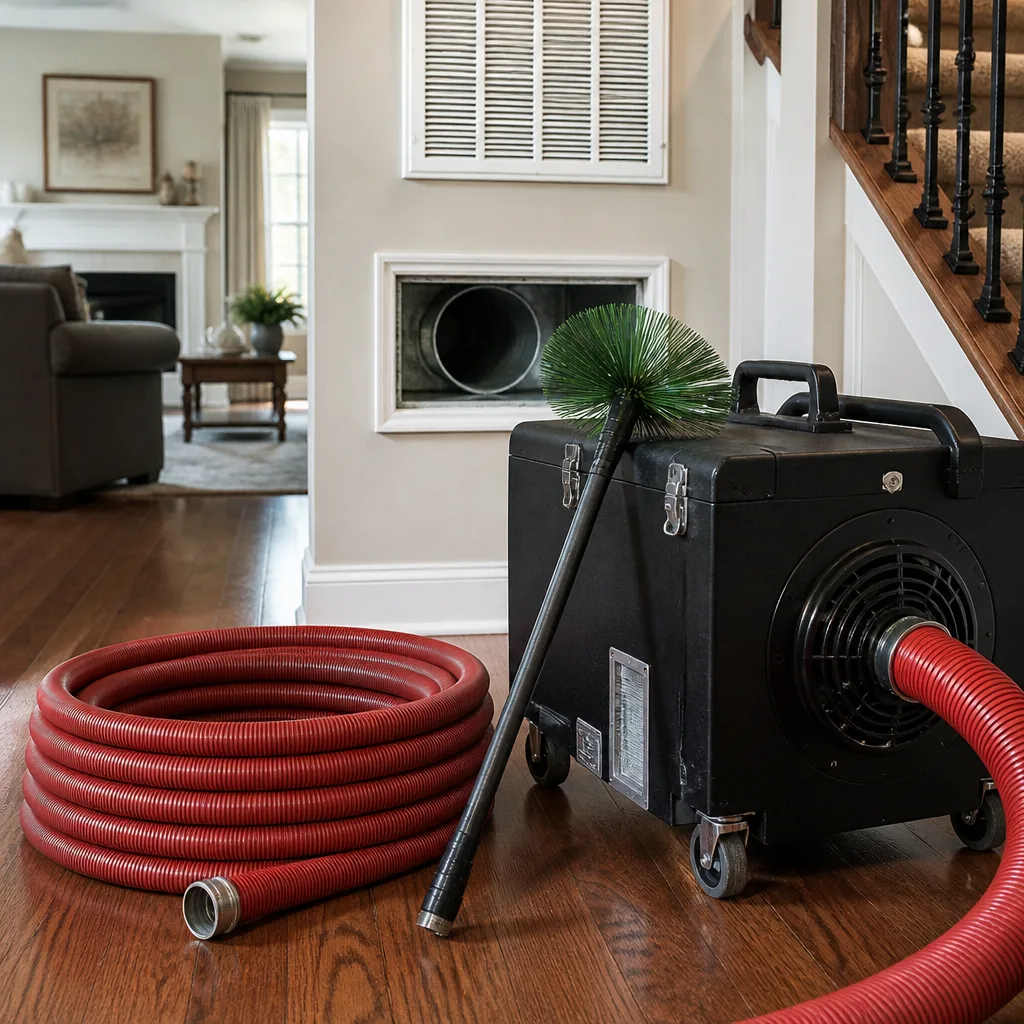 Whole-home duct cleaning
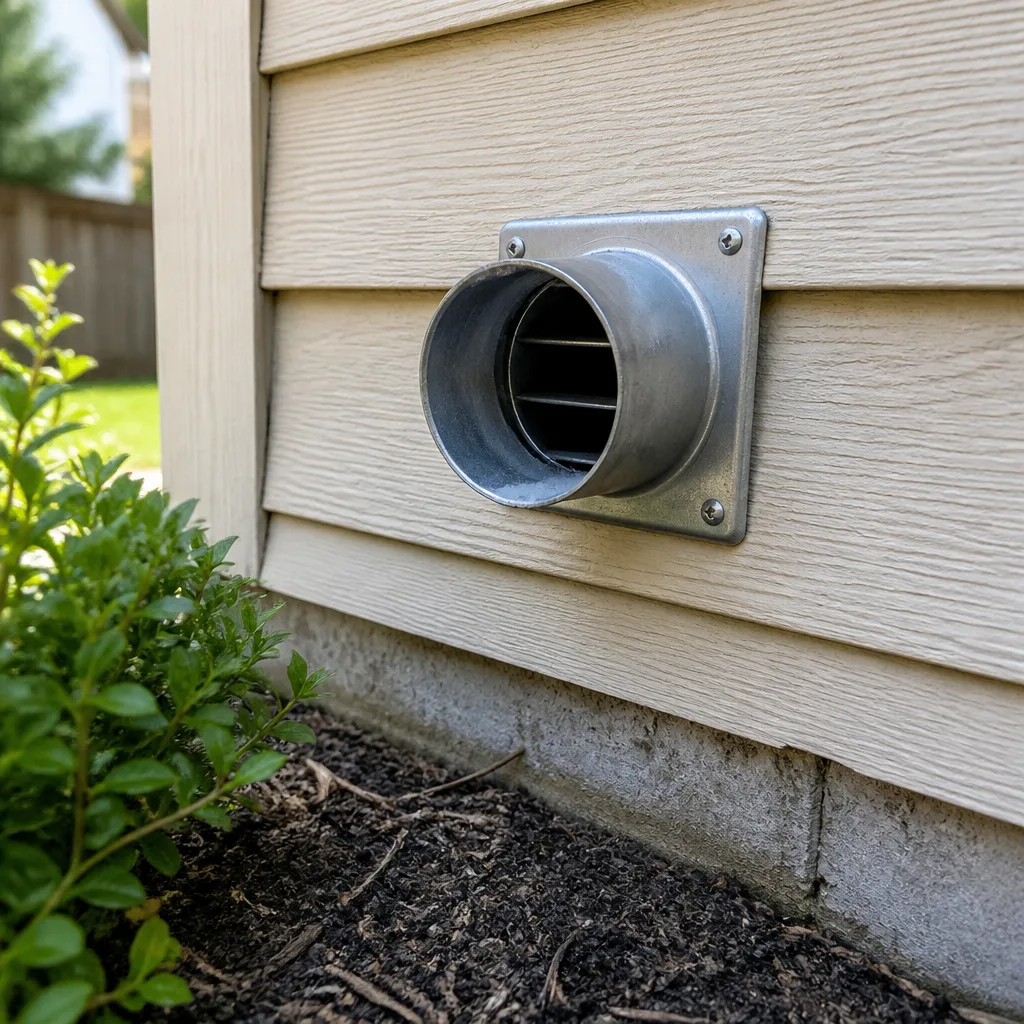 Dryer vent cleaning
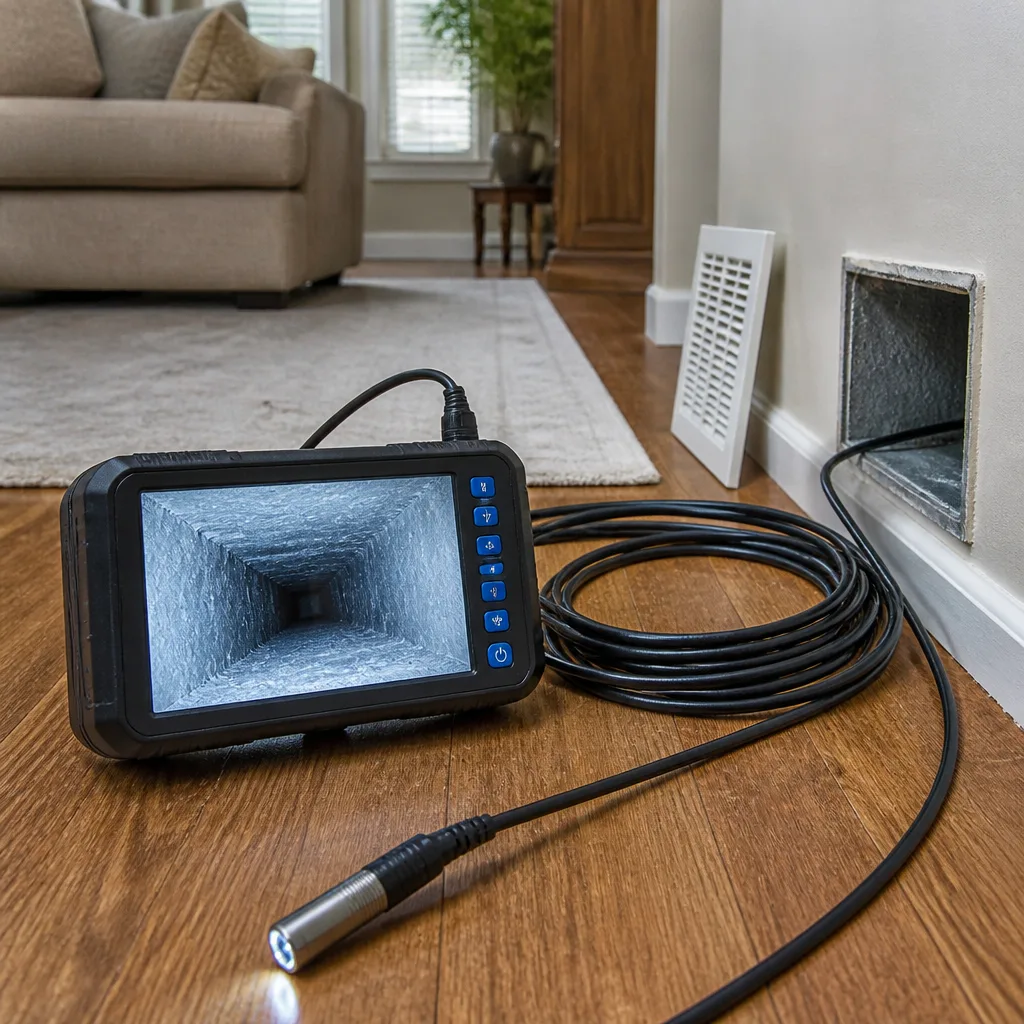 Camera inspection
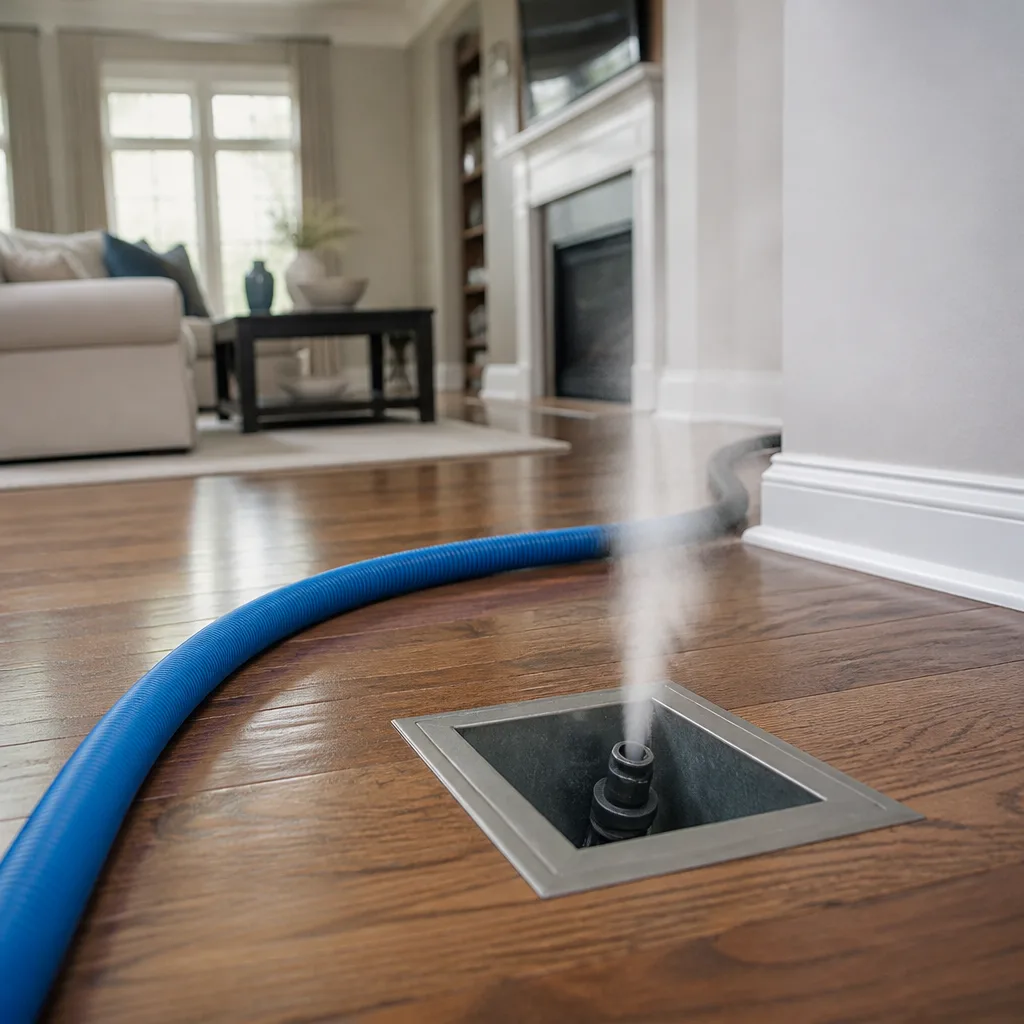 Sanitizing & deodorizing
Whole-system duct and dryer vent check with before-and-after photos - you see exactly what came out of your vents
That "$99 whole-house special" is a bait ad - the real number appears once they are in your hallway, or the "clean" is a shop-vac at the register. We photograph the inside of your ducts before and after instead.
Seasonal Air Duct Cleaning Care for Paterson: Year-Round Homeowner’s Guide
Most homeowners treat duct cleaning as a five-year errand, something to pencil in whenever the reminder surfaces. That calendar ignores the way a duct system in Paterson actually gets dirty. Our climate runs through four distinct loading conditions each year, and each one moves a different kind of contamination into the same ductwork. Spring brings the wet-coil transition. Summer loads the system with humidity. Fall is when settled debris gets locked in before heating season. Winter’s dry forced air lifts everything back into the airstream. Clean on a fixed timer and you’ll miss the two-week windows when the work matters most. This guide maps specific maintenance actions to each season, using Paterson’s climate as the calendar, so you can stop guessing and start scheduling around how your system really behaves.
Quick Answer
The best time to clean air ducts in Paterson depends on the year you’re in, but the two highest-value windows are late spring, right after the heating-to-cooling switch, and early fall, before the furnace runs hard. Between cleanings, the work that protects your indoor air quality is inspection and filter management, not another cleaning pass. Our technicians have up to 11 years of experience, and the seasonal pattern below holds for the forced-air homes across Paterson, from the older housing near the Great Falls to the newer builds on the east side.
Styles & brands we work with
- Whole-home duct cleaning
- Dryer vent cleaning
- Camera inspection
- Sanitizing & deodorizing
Table of Contents
- The Seasonal Loading Map for Paterson
- Spring: The Heating-to-Cooling Transition
- Summer: Humidity, Condensate, and the Urban Heat Island
- Fall: The Pre-Heating-Season Inspection
- Winter: Dry Heat and the Dust It Lifts
- How to Calendar These Tasks Around Paterson’s Climate
- When Cleaning Isn’t Enough: Duct Repair and IAQ Upgrades
- What You Can Check Yourself and What You Shouldn’t
The Seasonal Loading Map for Paterson
Every home’s duct system carries the same basic contamination load: settled dust, lint, pet dander, pollen, and moisture. What changes through the year is which of those compounds is doing the most work. In Paterson’s four-season climate, that load shifts in a predictable pattern, and the standard “clean every three to five years” advice never accounts for it. The contamination doesn’t arrive on a schedule. It arrives on the flips between seasons.
Here’s the map we work with when we advise homeowners:
- Spring – biological growth peaks inside the system when the wet evaporator coil restarts and settles dormant over winter.
- Summer – humidity and condensate management take priority. A blocked drain pan puts moisture into the airstream.
- Fall – dust and debris that built up over cooling season get locked in before the furnace runs, which is why this is the ideal cleaning window.
- Winter – dry forced air lifts settled dust off duct surfaces and spreads it through the house. Filter checks need to increase.
If that pattern sounds more complicated than a calendar reminder, that’s the point. A single deep air duct cleaning does its best work when it lands in the right season. On the wrong timetable, you’re paying to remove contamination that will be back inside the ducts within weeks.
Spring: The Heating-to-Cooling Transition
The two weeks after you switch from heating to cooling are the highest-risk stretch of the year for a Paterson home. Here’s why. The evaporator coil sits wet through cooling season, then cools off through the winter. When it starts again, you have a damp, warm surface inside the air handler, and anything that settled in the ducts over heating season gets redistributed the moment airflow starts moving it. Mold spore counts inside the system peak in the days right after that first AC run, and the transition itself is what triggers the spike.
Before the first cooling run of the season, walk these tasks:
- Swap the filter. A filter that’s sat since fall is loaded and won’t protect the coil as it wakes up.
- Check the inside of the return grate. Any visible dust matting on the return-side grill tells you the ducts behind it are worth a look.
- Open vents and run the fan for a day. Let the system run with the AC off and the fan on before the first cooling call, so you can smell and see what’s coming through before the coil goes wet.
- Smell-test each room. A musty smell at a supply register right after the transition is the strongest signal that biological growth has taken hold.
- Check the air handler for standing water. Condensate drips at the start of the season are normal. A pan with a standing pool of water before the system has run for days is not.
If you find musty odor, visible matting, or a wet air handler, that’s the point to bring in professional-grade equipment. Our technicians use Rotobrush and Nikro systems built for the job, and on contamination-level jobs we bring Abatement Technologies equipment for containment and negative air pressure. That distinction matters in a Paterson spring: routines cleaning knocks loose surface dust, but a wet-coil situation with biological growth needs contain and remove, not a vacuum pass. Spring is also the outside of heating season, so if your system has been out of service through the winter, it’s the right time to have both the supply and return sides reviewed at once.
Summer: Humidity, Condensate, and the Urban Heat Island
Paterson sits in an urban heat island, which means summer humidity and ambient temperatures run higher inside the city than in the surrounding leafy suburbs. Higher ambient temperature means a harder-working air conditioner, more condensate, and a bigger margin for what happens when the condensate line clogs. The AC runs long enough on warm nights that a partial blockage in the drain can back water into the pan and, eventually, into the air handler.
What a blocked drain pan does to air quality inside your ducts is direct. Standing water in the pan evaporates into the airstream before the fan push it back through the supply ducts. Within a few warm days, that moisture feeds biological growth on duct surfaces, and the whole house starts to smell like a damp basement. Worse, the growth is happening upstream of everything, so every room on the supply side gets a share of it.
Do these checks through summer:
- Look for standing water in the condensate pan at each filter change.
- Look at the drain line where it exits the air handler and confirm water is dripping freely, not pooled or dripping slowly.
- Notice whether some rooms cool slower than others through July and August. That can indicate a duct that’s partially collapsed, disconnected, or crushed, which accumulates moisture in a different spot behind the walls.
- Watch for musty odor from supply registers when the AC is running. Odor from the supply side usually means contamination inside the ducts themselves, not in the return.
If you’re not comfortable checking the condensate system, that’s fine. It’s a job for an HVAC technician. What matters is that the check happens before the drain line has had weeks to soak the pan and put your ducts behind a moisture-fed growth cycle. Summer is a scheduling season for inspection, not necessarily a cleaning season. Clean in fall or spring when the load is on the calendar, and use summer to catch the moisture issues early.
Fall: The Pre-Heating-Season Inspection
If you clean air ducts once every few years, this is the window to do it. Fall is Paterson’s best cleaning season for one reason: the cooling season’s contamination is fully settled, and the heating season hasn’t yet started redistributing it. Clean now and you remove the accumulated load before the furnace has a chance to lift it into every room.
Fall also gives you the chance to inspect the mechanicals while the system is idle. These are the checks we recommend making before the heat comes on:
- Heat exchanger visual. A trained technician looks at the exchanger with the furnace cold, before the heating season starts. Cracks and separations are dangerous and worsen once the system runs hot. This is a safety check, and it belongs with a professional, not a homeowner.
- Blower wheel buildup. The blower wheel sits behind the filter and accumulates dust through cooling season. A loaded wheel cuts airflow and pushes contamination through the supply ducts. Visible buildup on the wheel is a sign that the ductwork behind it is due a look.
- Duct joints and connections. Fall is the right time to check for disconnected sections because cooling season’s vibration and humidity can loosen them. Leaking or disconnected ductwork is what a cleaning can’t fix. That’s a repair.
- Duct filter grilles. Deep-clean or replace any return-side filters before heating season.
- Dryer vent. Autumn is the right time to have the dryer vent cleaned, before the heating season adds dryer lint sitting inside a hot wall cavity to the equation.
We’ve seen this window matter most in the older housing stock around Paterson, where ducts run through unheated spaces and older air handlers have accumulated years of dust without a fall inspection. Cleaning that hasn’t happened on a multi-year cycle takes two-to-three times the vacuuming time, and it’s the right moment to do it. Our technicians use Rotobrush and Nikro systems to handle the load, and on serious builds we bring Abatement Technologies containment equipment to keep dislodged dust inside the work area.
If the cleaning reveals damage, we handle Paterson homeowners with duct repair as a standalone service, not something tacked on to a cleaning invoice. Cleaning removes the contamination. Repair fixes the reason it came back.
Winter: Dry Heat and the Dust It Lifts
Winter is the season most Paterson homeowners underestimate. The furnace runs continuously, forced air is dry, and dry air lifts settled dust off duct surfaces and carries it further than moisture-heavy air can. In a system that’s been cleaned on a fall cycle, the load is lower. In a system that hasn’t, winter is when you notice the dust on the top of your refrigerator and the dry film on your bookshelves.
Filter checks need to double through winter, especially between December and February. Where a healthy spring check might happen every two months, that’s every three to four weeks once the furnace is running. The filter is your first defense against the whole cycle, and a loaded filter lets dust past the unit and right into the supply side.
Beyond the filter, two things deserve attention in winter:
- Blower wheel dust. A blower that was inspected in fall can load up again through winter heating. A visual check at each filter change shows you when it’s due a look.
- Return vents in the room you use most. Winter heating tends to concentrate occupancy in a few rooms, which loads those returns faster. Deep-clean the grilles and inspect the return-side duct behind them.
If your winter air feels dry enough to cause static, we work with Honeywell and Aprilaire IAQ product lines, whole-home humidification and filtration upgrades that connect back to a duct system that’s been cleaned and inspected. Cleaning without a good filter and humidity setup means you’re cleaning on a shorter cycle than necessary. Winter is when a homeowner sees the return on those upgrades.
How to Calendar These Tasks Around Paterson’s Climate
National duct-cleaning advice can’t tell you when to schedule, because it doesn’t know when your seasons flip. Ours are specific. Paterson’s first frost typically arrives in late October or early November. Our humidity peaks in July and August. Those are the two anchors to calendar against, not the generic reminders that land in April and October on most of the country’s schedules.
Here’s the working calendar we recommend:
- First warm stretch in April or May, before your first AC run: filter swap, return-side check, smell test.
- June through August, at each filter change: condensate pan and drain line check. Schedule a duct cleaning if spring inspection flagged anything.
- Mid-September to late October, before the first frost: full pre-heating inspection, heat exchanger visual, blower wheel check, duct repair assessment if needed. This is the best window for a full cleaning.
- December through February: filter checks every three to four weeks through the heating season.
- Late October or early November, before the cold locks in: dryer vent cleaning, scheduled as a separate service.
One thing worth noting on the dryer vent. Paterson homes often have the dryer in a small interior laundry space, and lint that accumulates in a long vent run builds up faster than the appliance-side lint trap suggests. We treat dryer vent cleaning as a fire-prevention service rather than a marketing add-on, and the fall calendar slot puts it before the heating season, when a hot appliance against a lint-loaded vent gets riskier than usual.
When Cleaning Isn’t Enough: Duct Repair and IAQ Upgrades
There’s a category of problem on this topic that cleaning can’t solve, and it’s the one we end up talking about most with Paterson homeowners. Cleaning removes what’s inside the duct. It doesn’t repair a disconnected section, a crushed length under a floor beam, a leaking joint at a plenum connection, or a duct that’s pulled loose from a register boot. Those problems exist on their own timeline. Cleaning the system first just means the contamination comes back once the ducts have blown it through the house again.
Signs you’re in repair territory, not cleaning:
- Some rooms never cool or heat as well as others, and it’s the same rooms every season.
- You can see visible gaps at the duct plenum or at the register boots when you look with a flashlight.
- A dust test on a duct joint shows dust blowing out rather than traveling down the duct.
- Your energy bills spike in a season when the weather isn’t, on its own, explaining the increase.
- Cleaning was done recently and the same room smells musty again weeks later.
We offer Air Duct Repair as a standalone service for exactly this reason. Sometimes the cleaning is done and the fix is still ahead. Sometimes the fix is what should happen first, then the cleaning. If your ducts are disconnected, leaking, or crushed, our technicians assess the repair on the same visit. We use Rotobrush and Nikro equipment to handle the cleaning side, and Abatement Technologies containment gear on the removal side where a repair job involves opening ductwork inside an occupied home. We also work with Honeywell and Aprilaire IAQ product lines for filtration and humidity upgrades once the ductwork is sealed and clean, so the whole-home system gets better at keeping dust out rather than just removing it once.
What You Can Check Yourself and What You Shouldn’t
Homeowners can safely handle a real share of seasonal duct maintenance. Here’s the split:
You can check:
- Filter loading, at each change, through every season.
- Visible dust matting on return and supply grilles.
- Smell at each supply register when the system starts a new season.
- Standing water in the condensate pan.
- Warm or cold spots between rooms, tracked over a full season.
Leave to a professional:
- Gas furnace components, including the heat exchanger. The heat exchanger is a safety-critical part, and a visual inspection is a trained task. A cracked exchanger can put carbon monoxide into the airstream.
- Electrical components inside the air handler. Blower motors, control boards, and any wiring inside the unit are a shock and fire hazard to anyone not trained on them.
- Duct access. Cutting into ductwork to inspect the interior creates leaks and unbalances airflow if not properly sealed after.
- Dryer vent disassembly. Some vent systems run through walls or up inside a chase, and disconnecting them without the right tools can pull the entire run loose.
If you’re not sure whether something on the “check yourself” list is a signal, the safe answer is to have a technician look. Our technicians have up to 11 years of experience, and a five-minute look answers the question more precisely than a homeowner’s best guess.
Common Mistakes to Avoid
- Cleaning on a fixed calendar, not a seasonal one. A five-year reminder is the opposite of seasonal care. Clean in fall or spring, and inspect through summer and winter.
- Treating the filter as an annual errand. In a Paterson winter, a filter that’s three months old is already doing less work than you think.
- Running the AC all summer without a condensate check. It’s the moisture problem that starts the duct problem. Check the pan and drain line at each filter change.
- Cleaning a system with obvious duct damage. If ducts are disconnected, cleaning first just means the contamination returns. Diagnose first, then schedule the cleaning.
- Skipping the dryer vent because the lint trap looks clean. A little lint in the trap doesn’t show what’s built up inside the vent run and inside the wall cavity. It’s a different problem.
- Relying on a box-store vacuum. A consumer vacuum moves dust around the room. Professional-grade equipment handles the volume without turning your home into a dust cloud.
- Ignoring the musty smell between seasons. A smell at the start of a season is usually not a coincidence. It’s a system telling you something changed.
See the difference
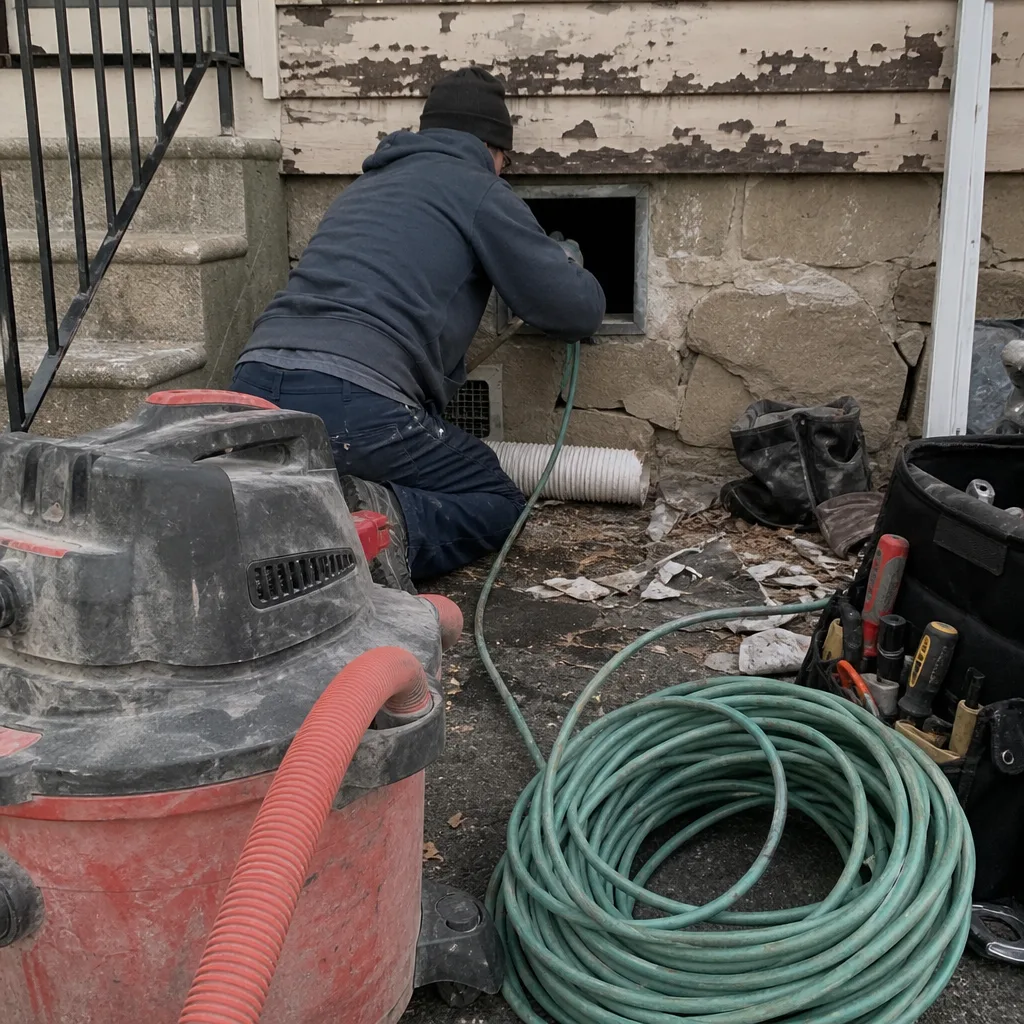 Before
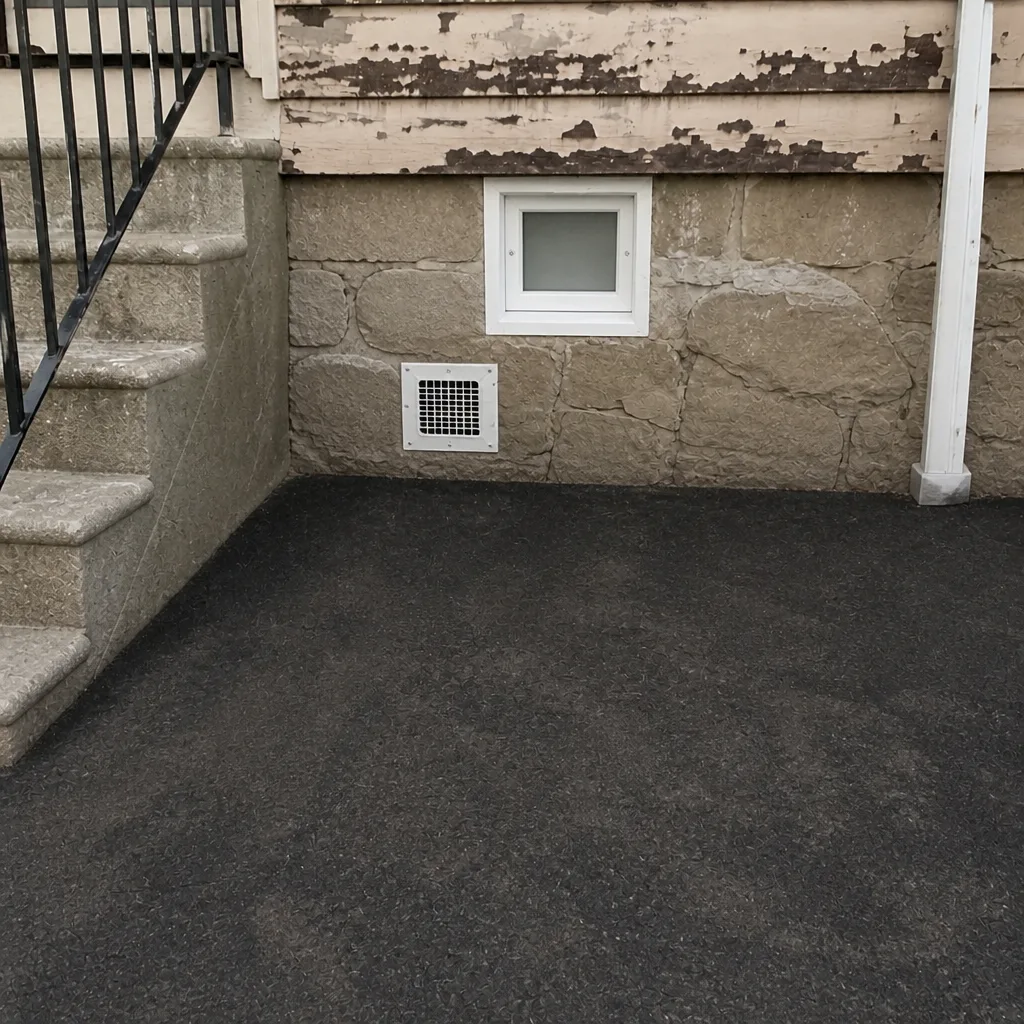 After
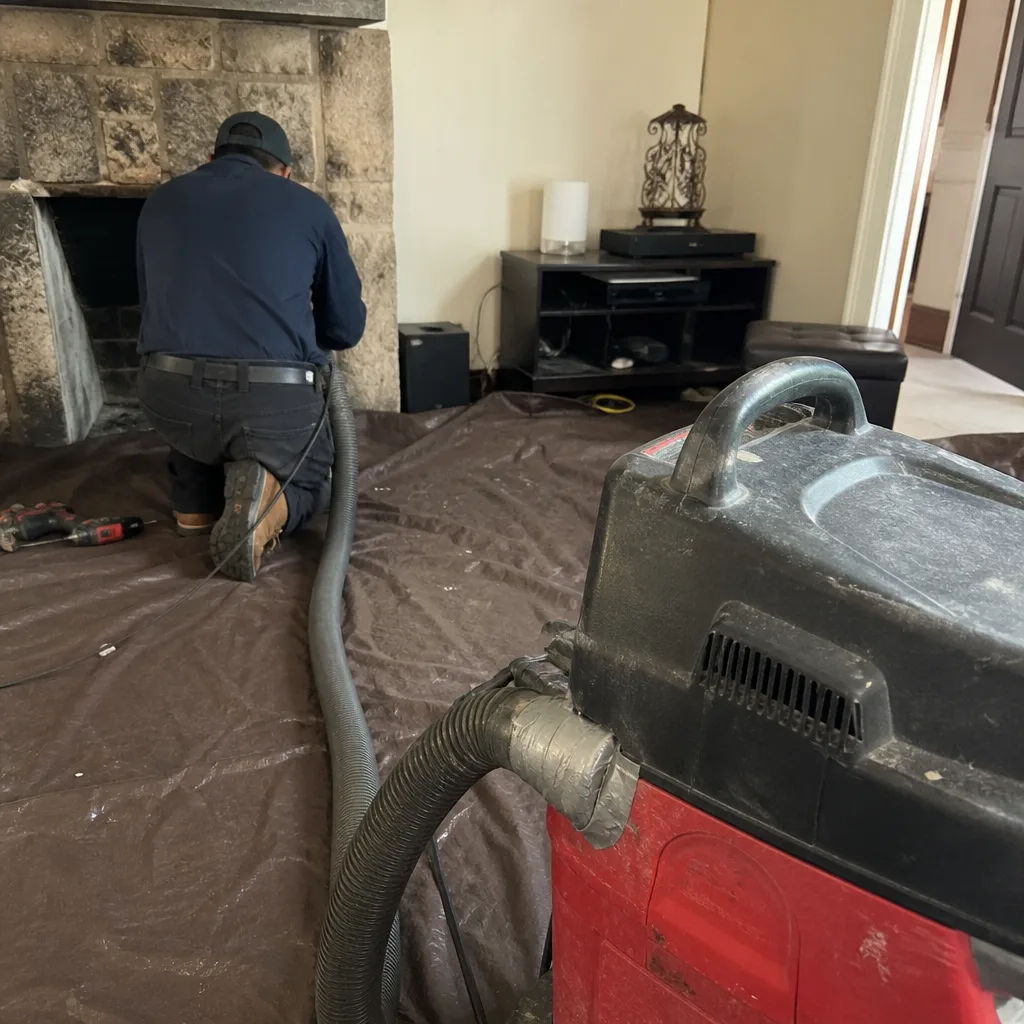 Before
 After
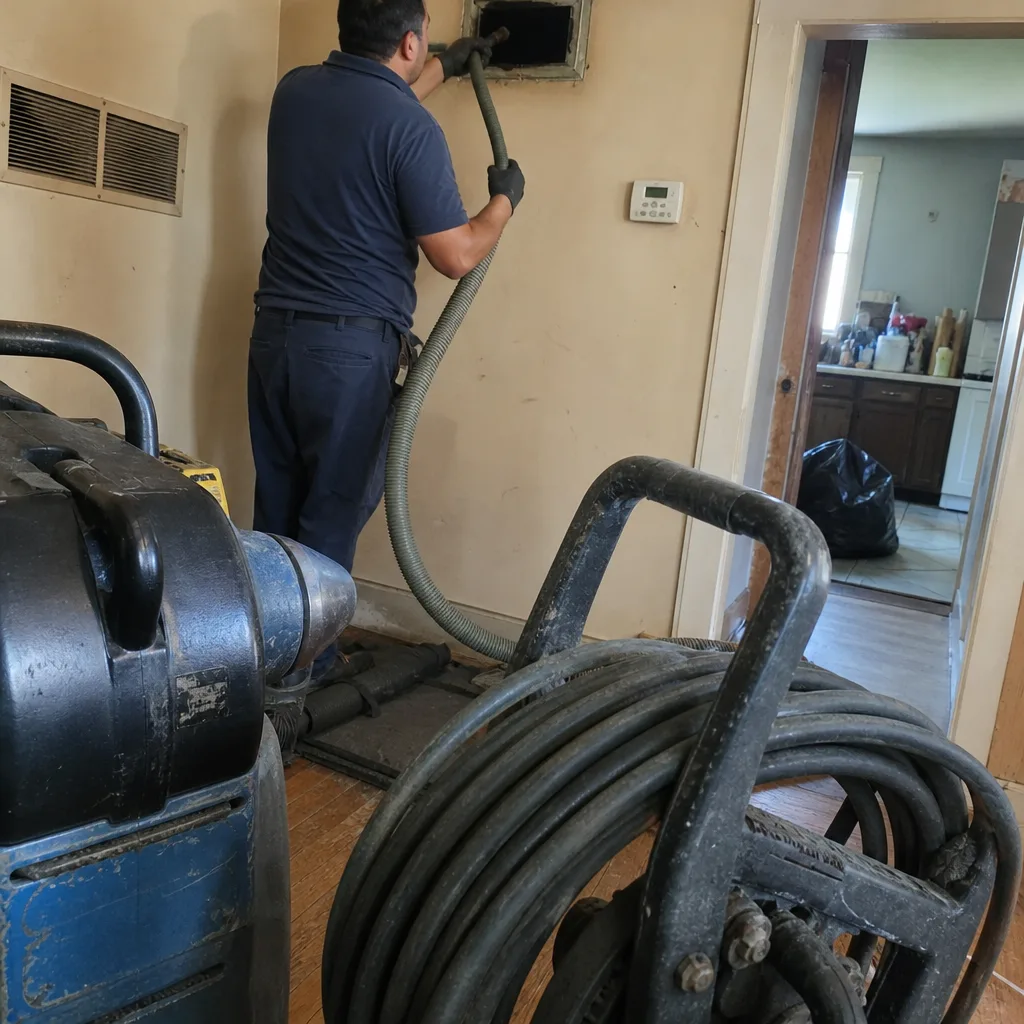 Before
 After
When to Call a Professional
Call a professional when the seasonal checks show you a signal you can’t act on safely, or when the pattern of signals is showing up across multiple rooms and multiple seasons. A musty smell after the cooling switch, standing water in the pan, visible dust matting inside a return, room-to-room temperature differences that don’t resolve, or a dryer that runs long and warms up more than it used to. Those are the points where inspection turns into a scheduled job. If you’re a Paterson homeowner and you’re not sure which season you’re actually in, our technicians can tell you from the visible state of the system and the condition of the ducts. Duct Cleaning Paterson offers free estimates in Paterson. Call (844) 967-3384. We answer 24/7. Fast dispatch from 7am to 7pm, Sunday through Friday. One flat price per system agreed before work starts, and before-and-after photos of your own ducts so you can see what was removed.
Frequently Asked Questions
Most Paterson homes need cleaning every three to five years, but if you want a seasonal answer instead of a calendar one, the better guidance is a full cleaning every fall or spring, and inspection through summer and winter. Homes with pets, allergy-sufferers, recent renovations, or a dirty construction history sit at the shorter end. Homes with newer, sealed ductwork and consistent filter care sit at the longer end. Call (844) 967-3384 for an exact quote. Estimates are free.
Spring is the highest-risk season because the heating-to-cooling transition is when the evaporator coil restarts wet, airflow patterns reverse, and anything that settled in the ducts over winter gets redistributed. Mold spore counts inside the system peak during the two weeks after the first cooling run. Check the system at the transition, before you commit the AC to a full summer.
Fall is the best cleaning window in Paterson because the cooling season’s contamination has settled, and the heating season hasn’t begun redistributing it yet. Clean in mid-September through late October, before the first frost, and the removal captures the full seasonal load. If you’ve skipped a multi-year cycle and you’re choosing one time of year, choose fall.
Duct cleaning is priced per system by a written estimate, not per vent, and the flat price is agreed before work starts. Teaser coupons and a low per-vent price are the industry’s bait-and-switch setup. The whole-system price is the honest number, and it includes before-and-after photos of your own ducts. Call (844) 967-3384 for an exact quote. Estimates are free.
Cheaper quotes are usually cheaper for a reason: a single vacuum pass, per-vent pricing that adds up on the invoice, or skipping parts of the system entirely. Rotobrush and Nikro systems built for the job aren’t the equipment behind a low teaser price. Whole-system cleaning takes time to do properly, and the honest flat price reflects the actual scope of the work. Before you accept a quote, ask what’s included.
Look for before-and-after photos of your own ducts, not stock images. A professional job documents the state of the system before the work and after the cleaning, and the photos should show your registers, your plenum, and your return side. If a company can’t show you what was there before and what was removed, that’s a fair question to raise. Fast dispatch from 7am to 7pm, Sunday through Friday. Call us to schedule an estimate.
Yes, which is why we treat dryer vent cleaning as a fire-prevention service rather than a marketing add-on. Lint accumulates inside the vent run and against the appliance where the lint trap can’t show it, and a vent that runs through a wall cavity keeps the heat on that lint every time the dryer runs. Have the vent cleaned once through the fall, before the heating season, and inspect it if the dryer starts taking longer than it used to.
Filtration and humidity control are the two most useful upgrades, and both work better on a clean duct system. We work with Honeywell and Aprilaire IAQ product lines for whole-home filtration and humidification, which connect back to the cleanliness of the ducts. A clean system plus a quality filter means the duct stays clean longer than a clean system alone. Call (844) 967-3384 to talk through the options.
The Bottom Line
Paterson’s four-season climate puts your ductwork through four distinct loading conditions every year, and the home that cleans and inspects against the seasons gets better air than a home that follows a five-year reminder. Spring is for the wet-coil transition, summer for moisture control, fall for the full cleaning and pre-heating inspection, and winter for filter checks and dust control. The best work you can do is inspect more often than you clean. When the inspection turns into a job, that’s the point to bring in professional-grade equipment. Our technicians have up to 11 years of experience, we handle cleaning, dryer vent safety, and duct repair under one provider, and we’re clear about what each one is for. On a seasonal cycle, that mix covers the whole year.
Call (844) 967-3384 for a free estimate. We answer 24/7. Fast dispatch from 7am to 7pm, Sunday through Friday. One flat price per system agreed before work starts, before-and-after photos of your own ducts, and a satisfaction guarantee behind every job. Licensed and insured. The written estimate sets the final price.
Written by the team at Duct Cleaning Paterson.