
Last updated November 16, 2026
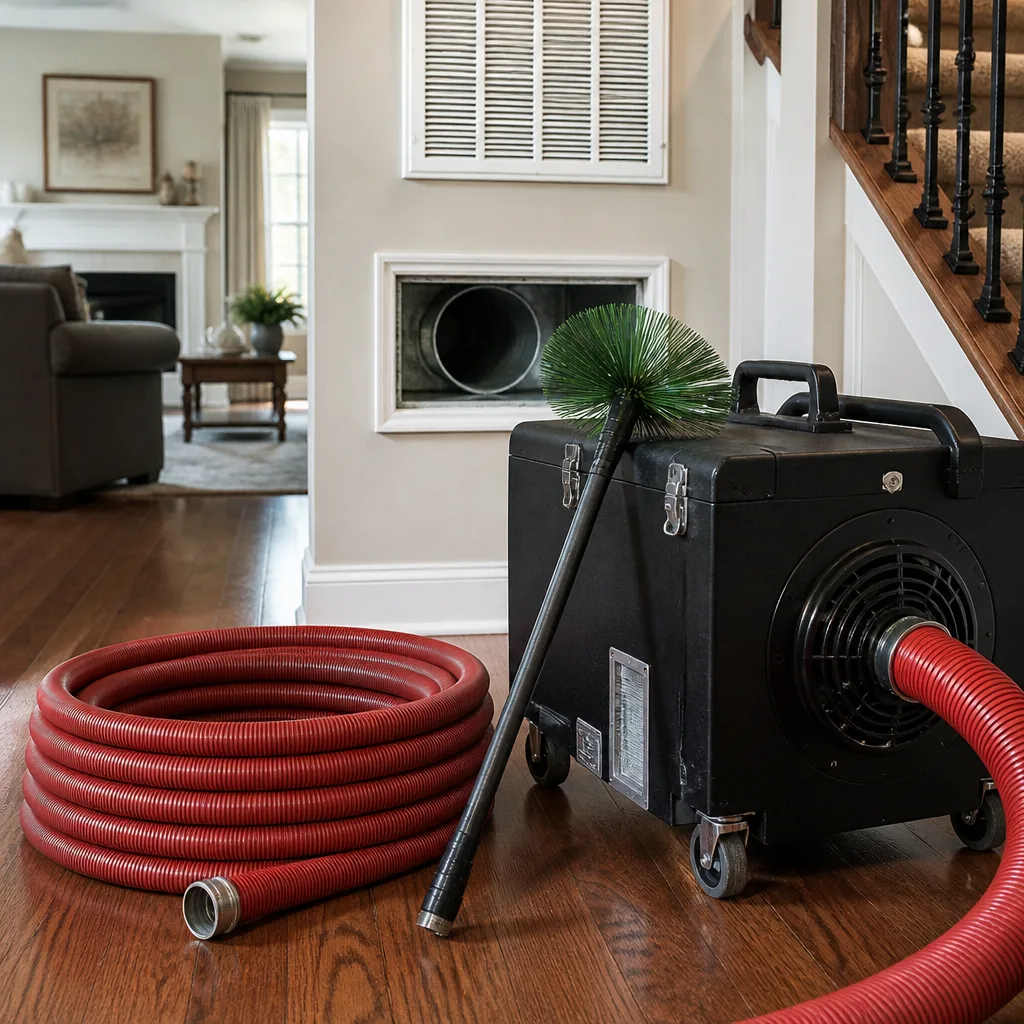 Whole-home duct cleaning
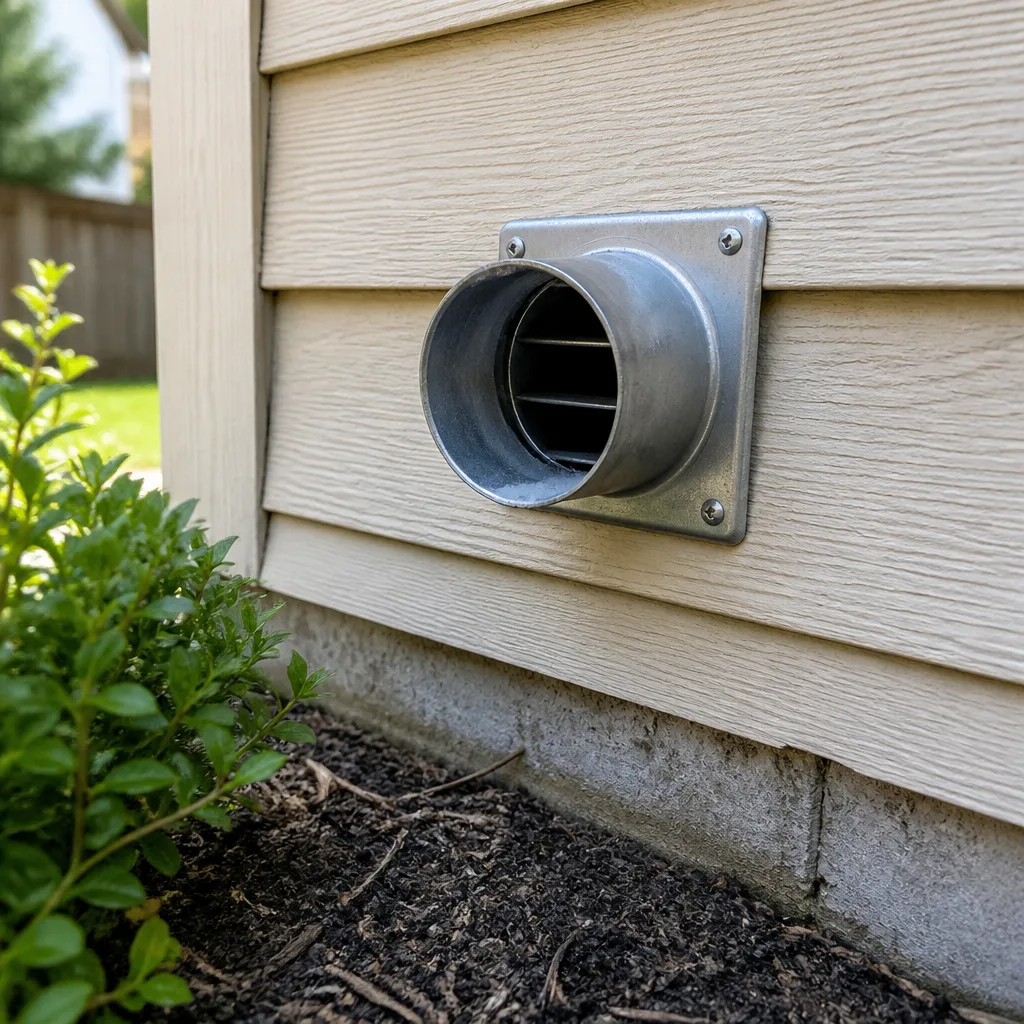 Dryer vent cleaning
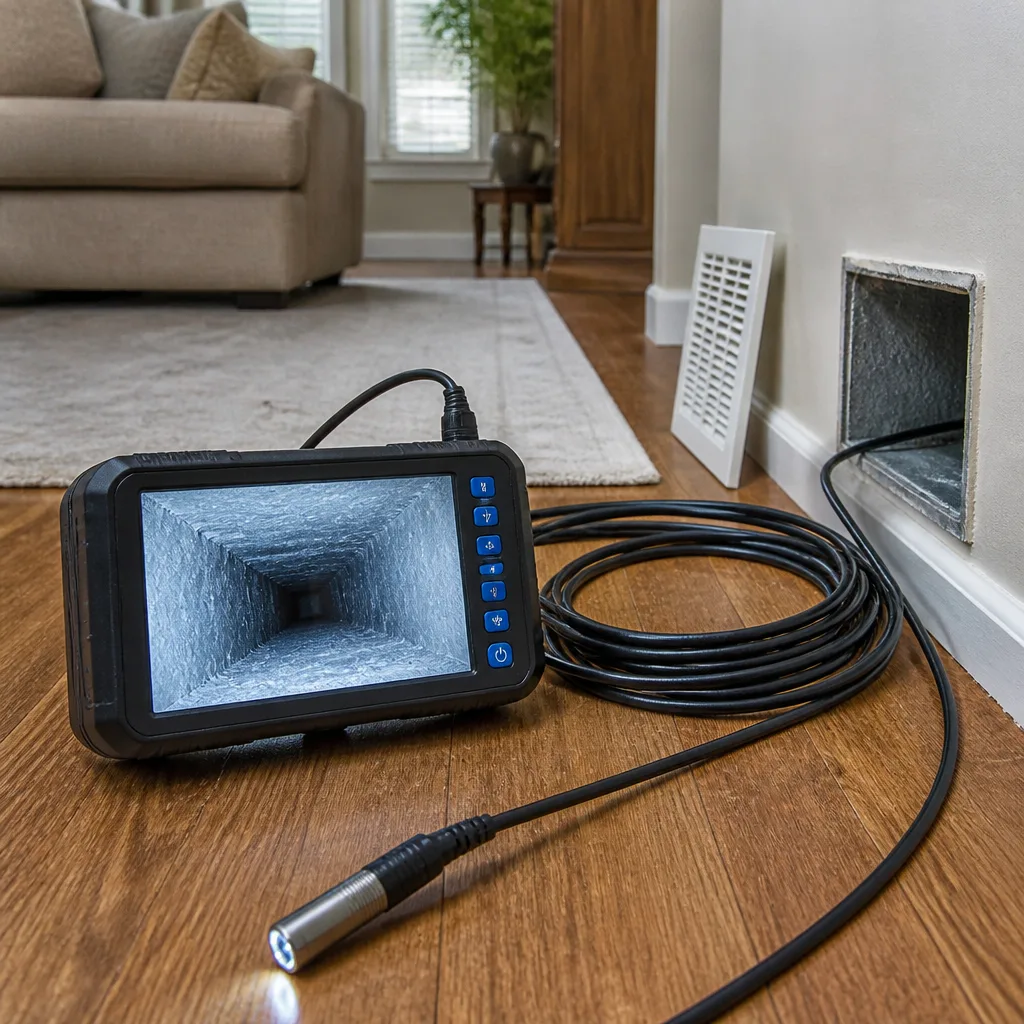 Camera inspection
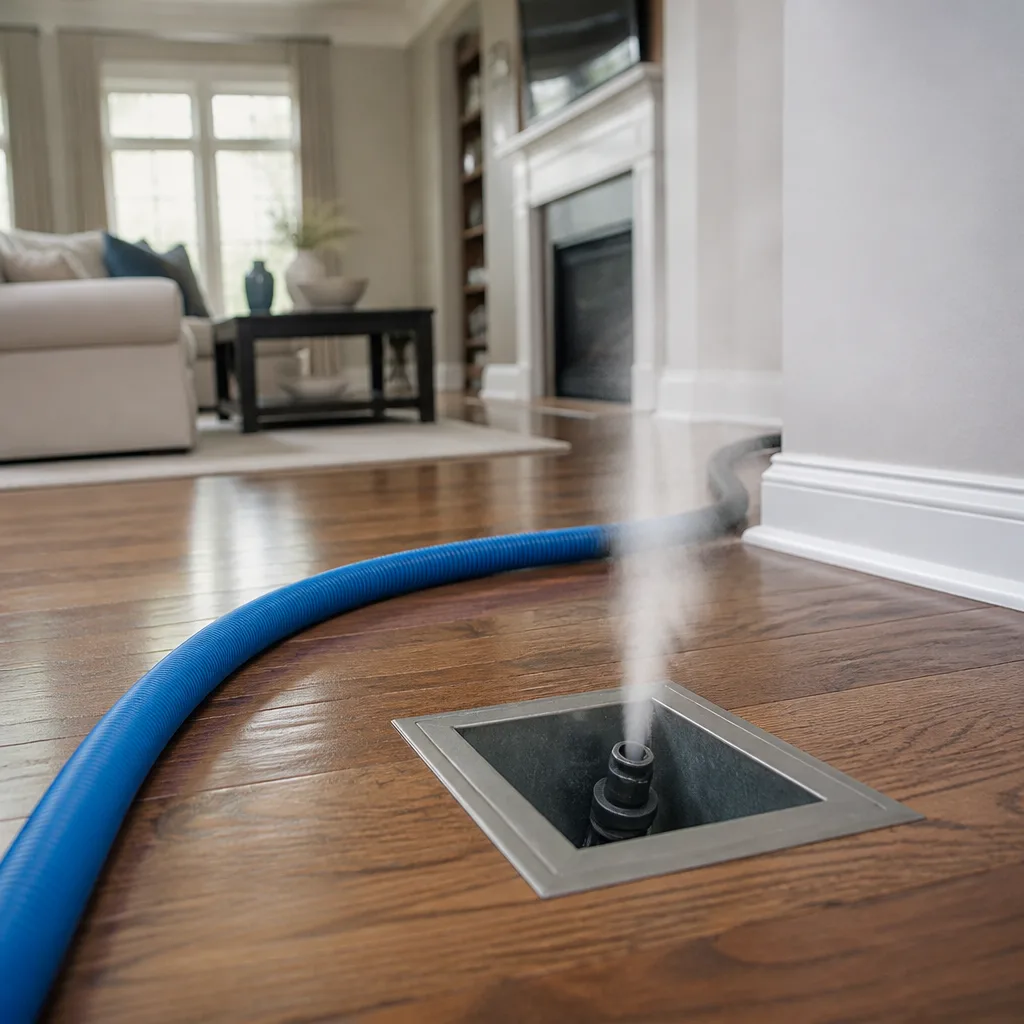 Sanitizing & deodorizing
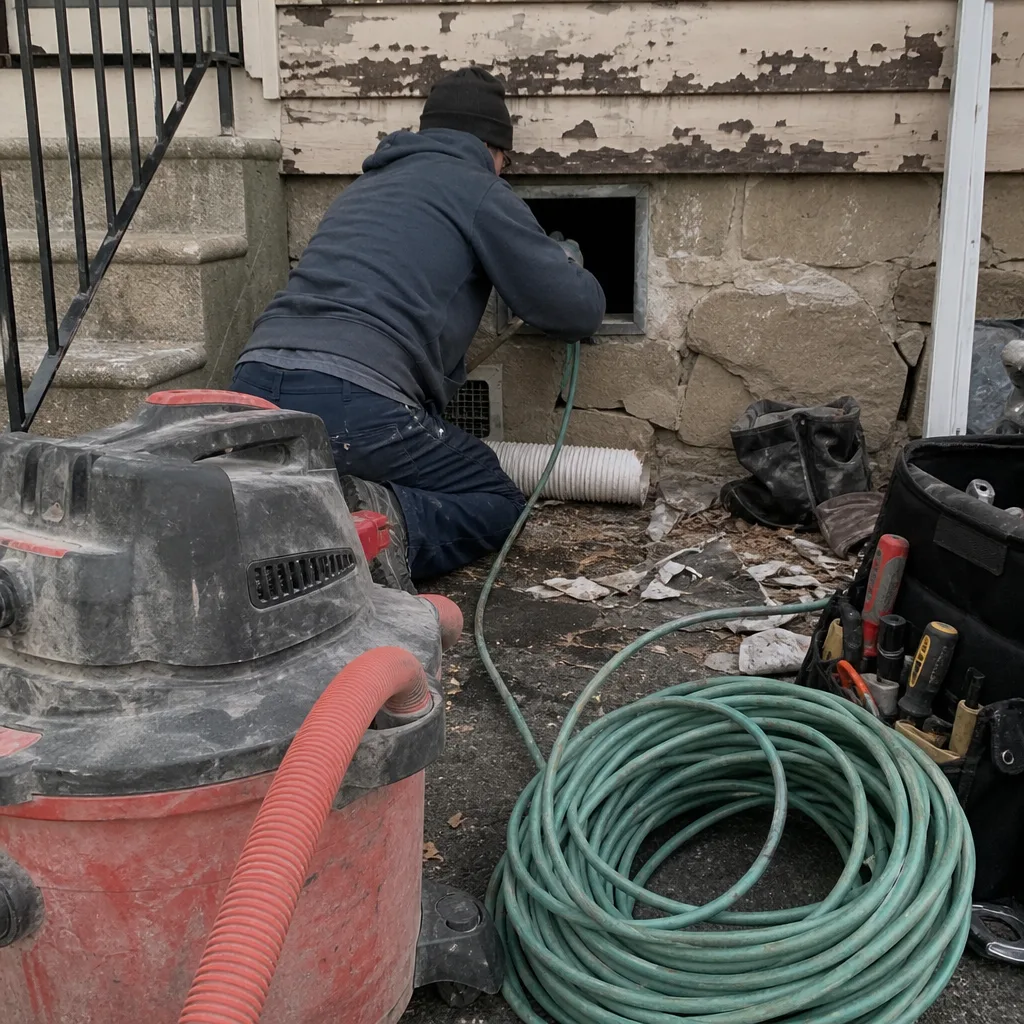
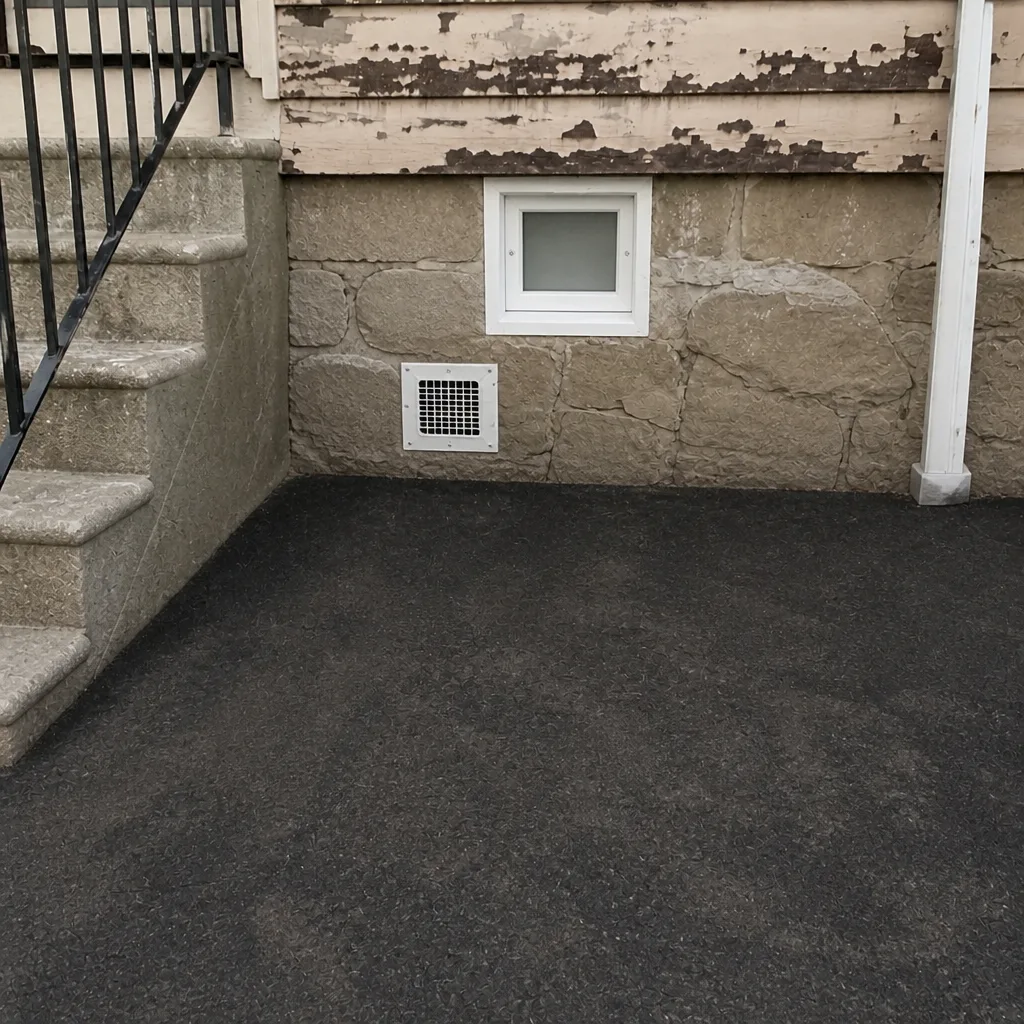
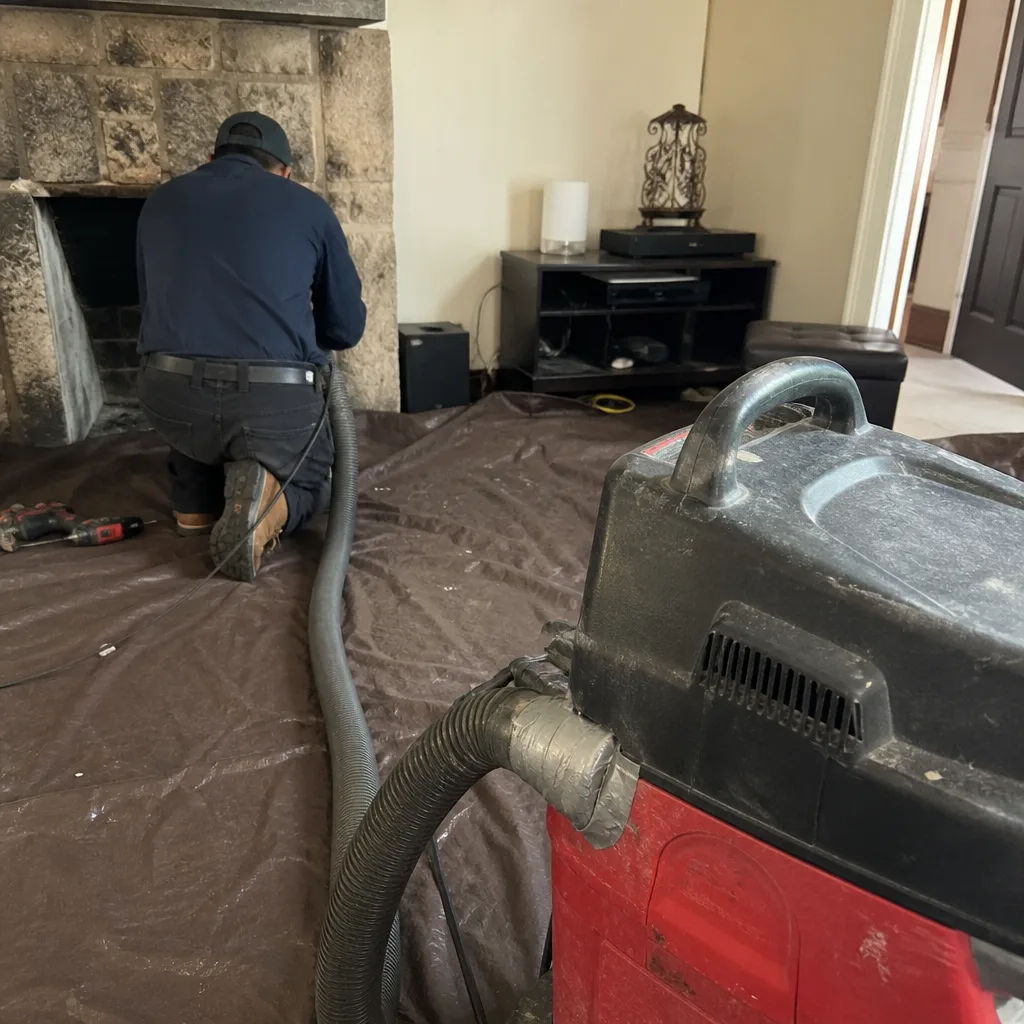
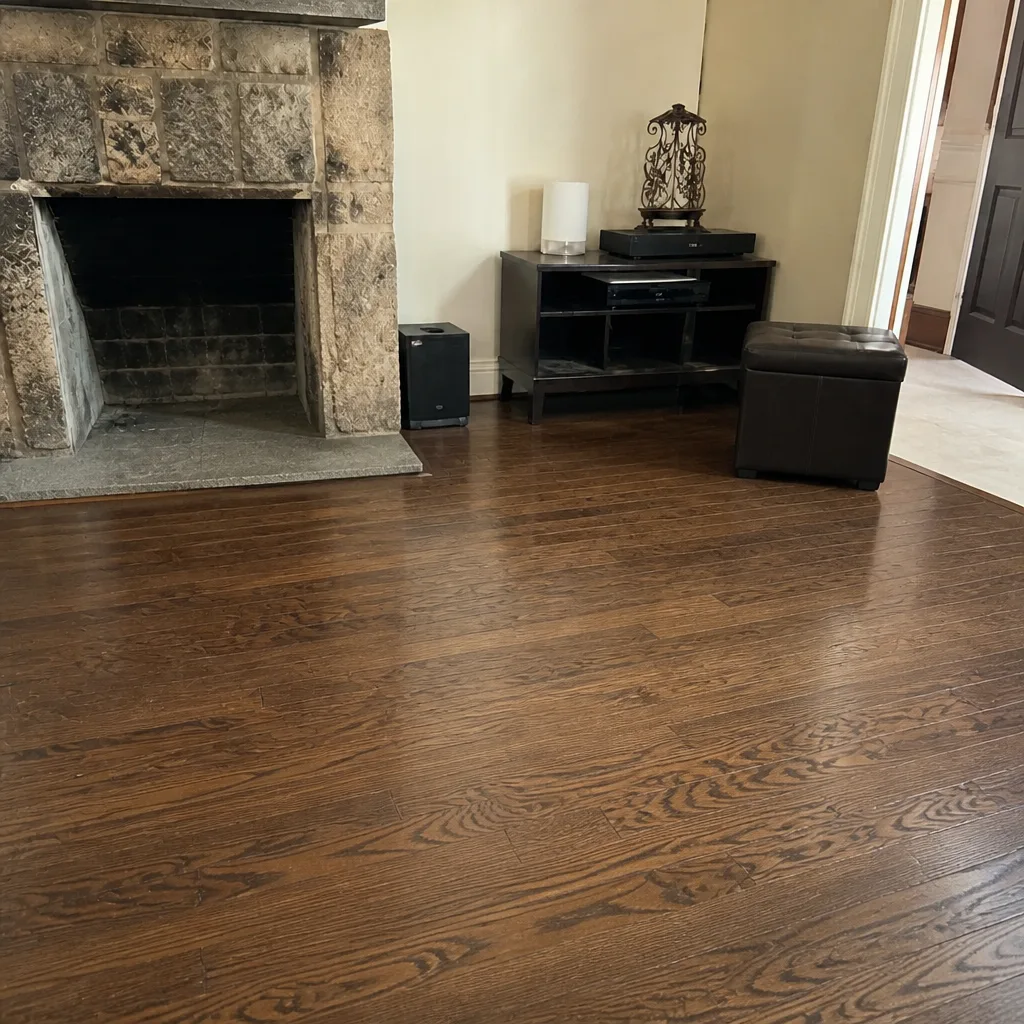
Whole-system duct and dryer vent check with before-and-after photos - you see exactly what came out of your vents
That "$99 whole-house special" is a bait ad - the real number appears once they are in your hallway, or the "clean" is a shop-vac at the register. We photograph the inside of your ducts before and after instead.
Air Duct Cleaning Permits, Codes & Inspections in Paterson, NJ: What You Need to Know
Here’s the part most homeowners never hear: the cleaning visit itself rarely needs a permit, but the repairs that often come with it can. If a contractor replaces a collapsed duct section or installs new flex duct during what started as a routine cleaning, that work may require a mechanical permit in Passaic County. If nobody pulls it, the liability lands on you, not them. This guide walks through where New Jersey’s Uniform Construction Code draws the line between maintenance and alteration, how the City of Paterson permit process actually works for duct modifications, and what to ask for in writing before anyone touches your ductwork in Paterson.
Quick Answer
Routine air duct cleaning in Paterson, NJ does not require a permit. Duct repair, replacement, new branch runs, and return air reconfiguration usually do, because New Jersey classifies them as mechanical alterations under the Uniform Construction Code. The homeowner or the licensed contractor pulls the permit through the City of Paterson, and the work gets inspected before it’s closed out.
Styles & brands we work with
- Whole-home duct cleaning
- Dryer vent cleaning
- Camera inspection
- Sanitizing & deodorizing
Table of Contents
- Maintenance vs. Alteration: How NJ Classifies Duct Work
- The Scenarios That Trigger a Permit in Paterson
- The Passaic County and City of Paterson Permit Process
- What Actually Gets Inspected
- How Unpermitted Duct Work Affects Insurance and Disclosure
- What to Get in Writing From Any Contractor
- Choosing a Contractor for Duct Work in Paterson
Maintenance vs. Alteration: How NJ Classifies Duct Work
New Jersey’s Uniform Construction Code splits HVAC work into two categories, and the category decides whether a permit is needed. Maintenance keeps a system working as designed. Alteration changes the system. Cleaning, filter changes, and minor component swaps fall on the maintenance side. Anything that adds, removes, relocates, or reconfigures ductwork falls on the alteration side, and alteration work requires a mechanical permit pulled through the local construction office.
That’s the whole rule in a sentence. In our experience, the confusion comes from contractors who treat “cleaning” and “repair” as one visit. A technician finds a crushed run under a floor joist, replaces it with new flex duct, and calls the whole job a cleaning. The cleaning was fine. The replacement needed a permit. That gap is where homeowners end up with unpermitted work that surfaces years later during a home sale or an insurance claim.
Paterson’s housing stock makes this more likely than it sounds. The city has a lot of older multifamily and single-family homes, many with ductwork that’s been patched and rerouted over decades. When a technician opens a return plenum in a South Paterson two-family and finds three generations of modifications already in place, the next repair in that chain needs to be handled correctly, not folded into a cleaning invoice.
Quick reference: permit vs. no permit
- No permit typically needed: routine cleaning of supply and return ducts, filter replacement, register and grille swaps of the same size, dryer vent cleaning.
- Permit typically needed: replacing a run of duct, adding a new branch to an existing trunk, cutting a new supply or return opening, changing the return air configuration, sealing penetrations through the supply plenum beyond simple gasketing.
- Ask your local construction office: anything where you’re not sure. A five-minute phone call to Paterson’s building department beats a five-figure headache later.
The Scenarios That Trigger a Permit in Paterson
The good news is that the list of permit-triggering scenarios is short. The bad news is that all of them are common in Paterson’s older housing. If your ductwork was built before the 1980s and has never been documented, any of the following means a permit should be pulled:
- Duct replacement. Swapping a crushed, disconnected, or rotted section for new duct is an alteration, not a cleaning. This includes flex duct, rigid duct, and any transitions between the two.
- Adding branch runs. Cutting a new supply or return into an existing trunk changes the system’s air balance and needs a permit. It also needs someone who can do the load calculation, or you’ll get a room that’s either freezing or stuffy no matter how clean the ducts are.
- Sealing supply plenum penetrations. Mastic and tape on joints is routine maintenance. Cutting into the plenum and fabricating a new connection is not.
- Modifying return air configuration. Adding a return, moving a return, or combining two returns into one changes how the blower pulls air. That’s a mechanical alteration.
- Replacing a section of ductwork after water damage or pest damage. This one hides under the “repair” label. If the technician is cutting out and rebuilding, it’s a permit.
One thing it doesn’t trigger: cleaning itself. Running a Rotobrush or Nikro whip through ductwork that’s already there, sealing routine joints with mastic, and cleaning the blower compartment are maintenance. Nobody needs a permit for maintenance in Paterson.
The Passaic County and City of Paterson Permit Process
Mechanical permits for duct work in Paterson are issued through the City of Paterson’s construction office, and the work is inspected by the city’s mechanical inspector. Passaic County operates the broader permitting structure, but for a single-family duct modification inside Paterson city limits, the city is your point of contact. Here’s the process, step by step:
- Determine which permit class applies. Duct work is a mechanical permit, not a building permit. If the job involves framing changes or opening walls, expect a building permit to be added on.
- Decide who pulls it. Either the homeowner or the licensed contractor can pull the permit. In practice, the contractor should pull it, because they’re the one who knows the scope, and their license number goes on the application.
- Submit the application with a scope of work. This means a description of the duct work, the location in the home, the number of runs, and the contractor’s license information. Some jobs require a simple drawing. Ask the construction office what they want before you submit.
- Pay the permit fee. Mechanical permit fees in New Jersey scale with the value and scope of work, so expect the fee to be modest for a single-duct replacement and higher for a multi-run project. The construction office quotes it at application.
- Schedule the inspection. Once the work is done, the contractor calls for inspection. The inspector verifies the installation matches the scope.
- Get the sign-off. Keep the final inspection record. It’s the paper that proves the work was done legally, and it’s what you’ll hand over if you sell the house.
Timelines vary with the construction office’s workload, so ask for the current turnaround when you apply. Don’t let a contractor tell you “we’ll pull it after the job.” Permits are pulled before work begins, period.
What Actually Gets Inspected
An inspection is not a duct cleaning review. The mechanical inspector is checking that the alteration was done to code and that the system is safe. Expect the inspector to look at:
- Duct material and support. Flex duct needs proper support spacing and no sagging. Rigid duct needs sealed joints and correct hangers.
- Connection integrity. Every joint in the new work should be mechanically fastened and sealed. A bead of mastic and proper tape, not a wrap of duct tape that’ll dry out in a year.
- Clearances. Ductwork passing near heat sources or through unconditioned space needs the right clearance and insulation R-value. The inspector may check the insulation spec on the new material.
- Airflow basics. The inspector isn’t doing a full load calculation, but they’ll flag obviously undersized duct or a return that’s clearly going to choke the system.
- Documentation. The permit scope and the installed work need to match. If the contractor added a run that wasn’t on the application, expect a red tag and a re-inspection fee.
For Paterson homeowners, this inspection step is actually the best protection you have. It’s the one moment where a third party verifies that the ductwork your HVAC system is breathing through was installed to a standard, not just to whatever the technician had on the truck that day. When we handle air duct cleaning and find repair work that needs to be done, we walk the homeowner through the permit question before any cutting happens.
How Unpermitted Duct Work Affects Insurance and Disclosure
This is the section nobody wants to read, and the one that matters most. Two things happen when duct work is done without a permit in Paterson:
Your homeowner’s insurance may push back on a related claim. If a fire starts in an area involving ductwork that was modified without a permit, or if water damage traces back to an improperly connected run, the insurer can investigate whether the work was performed legally. A denied or reduced claim in that situation is a real possibility. Most policies don’t ask about duct work specifically, but they do require that alterations to the home be done with proper permits. Unpermitted work can become a coverage question at exactly the worst moment.
You may have a disclosure obligation when you sell. New Jersey requires sellers to disclose known material defects and known code violations. Unpermitted duct work is a known issue if you know about it. If a buyer’s inspector finds a duct run that doesn’t match the home’s permit history, the seller has to disclose it. Depending on the scope, the fix can require opening walls and pulling a retroactive permit, which is far more expensive than pulling the original permit would have been.
The practical math
- A mechanical permit for a modest duct repair is a small line item on the job.
- A retroactive permit plus opening and re-inspecting finished work can run several times that figure.
- A denied insurance claim tied to unpermitted work can run into the tens of thousands.
- A sale delayed because a buyer’s attorney flags unpermitted work can cost you a deal outright.
None of those numbers are theoretical. Every one of them is a real pattern that shows up in Passaic County real estate transactions. The permit is cheap insurance for a much bigger exposure.
What to Get in Writing From Any Contractor
Whether or not a permit applies, ask for documentation. This is the single biggest thing you can do to protect yourself, and it costs the contractor nothing but honesty. Before any duct repair or modification is included in the scope, ask for:
- The scope of work in plain language. “Replace 8 feet of crushed flex supply duct serving the second-floor rear bedroom” is documentation. “Repair ductwork” is not.
- The permit status, stated explicitly. Either “no permit required because this is maintenance” or “mechanical permit will be pulled under City of Paterson permit number X.” Ask them to state which, in writing, before work starts.
- Photographs before and after. Any contractor using professional-grade equipment should be photographing the inside of the ducts before they clean, and again after. That’s the proof of work and it’s also the record of what was replaced.
- The materials specification. Which flex duct, which insulation, which sealant. If they can’t tell you, that’s a red flag.
- The equipment they’re using. A contractor running a Rotobrush or Nikro system is using a platform designed for the job. A contractor running a shop vac is not. When the work involves contamination-level concerns, ask whether they have Abatement Technologies equipment and negative-air containment, because that’s a different tier of work.
- A written estimate before work starts. One price for the job as scoped. No “we’ll see what it looks like once we’re in.”
- The warranty terms on the repair. Labor warranty, whether they’ll come back if something isn’t right, and what’s not covered.
This is also where you separate duct repair from filtration and IAQ upgrades. If the work includes new filtration at the air handler, Honeywell and Aprilaire both make solid product lines, and the contractor should be able to talk through whether the filtration change affects the duct configuration. If it does, the permit conversation may apply to that piece too.
Choosing a Contractor for Duct Work in Paterson
Most of the contractors working in Paterson come in two flavors: cleaners and repair techs. Cleaners hit the ducts and leave. Repair techs open the system, figure out why it’s failing, and fix the reason, not the symptom. You want the second kind, especially on an older home. Here’s what to look for:
- They can name the equipment they run. Rotobrush and Nikro are the two platforms serious duct techs use. If a contractor can’t tell you what they clean with, they’re probably using a shop vac with a filter bag.
- They offer repair as a service, not as an add-on. A company that only cleans will always tell you your ducts don’t need repair. A company that repairs them has to explain why the repair is needed and what it involves.
- They know the permit difference. Ask a simple question: “Does this work require a mechanical permit?” If they look confused, they’re not your contractor.
- They’re insured and bonded. Licensed and insured is the baseline, not a sales pitch. Ask for the certificate.
- They quote per job, not per vent. Per-vent pricing is a red flag for bait-and-switch. You want one number for the whole system, in writing, before anyone touches a tool.
Our technicians have up to 11 years of experience handling duct repair in Passaic County homes, and in that time the pattern is consistent: the homes with the worst indoor air quality are usually the homes with the most unpermitted duct work hiding behind a fresh coat of paint.
Common Mistakes to Avoid
- Assuming “we’re already here” justifies skipping the permit. A technician who finds duct damage during a cleaning and offers to fix it on the spot has to pull the permit first if the work qualifies. If they don’t, you own the problem.
- Treating a cleaning invoice as a repair record. Cleaning invoices don’t document duct replacement. If the work included duct repair, ask for a separate scope of work with the repair described. Paterson home inspectors know exactly what to look for, and a missing paper trail is the first thing they flag.
- Believing the “permit is a formality” line. It’s not. The mechanical inspection is the only independent verification that the work was done to code. Without it, you’re trusting the installer’s word and a hand-written receipt.
- Letting a contractor tell you permits are always needed or never needed. Both are wrong. NJ’s UCC distinguishes maintenance from alteration, and a good contractor can explain which side a specific job falls on.
- Skipping the before-and-after photos. In Paterson’s older homes, a repair that opens walls needs a visual record. If your contractor doesn’t photograph the inside of the ducts before and after, you can’t prove what was done.
- Calling a cleaning company for a repair. A cleaner will clean. A repair tech will diagnose. If you suspect damaged ductwork, start with a company that treats air duct cleaning and duct repair as two different services with two different scopes.
- Ignoring the dryer vent in the same visit. Dryer vents are a fire-safety issue and don’t fall under the same permit rules as HVAC ducts, but leaving lint-choked dryer vents on a to-do list is the second-most-common code-adjacent problem we see in Paterson homes. That work is dryer vent cleaning, and it’s worth doing at the same time as the HVAC duct.
See the difference
 Before
 After
 Before
 After
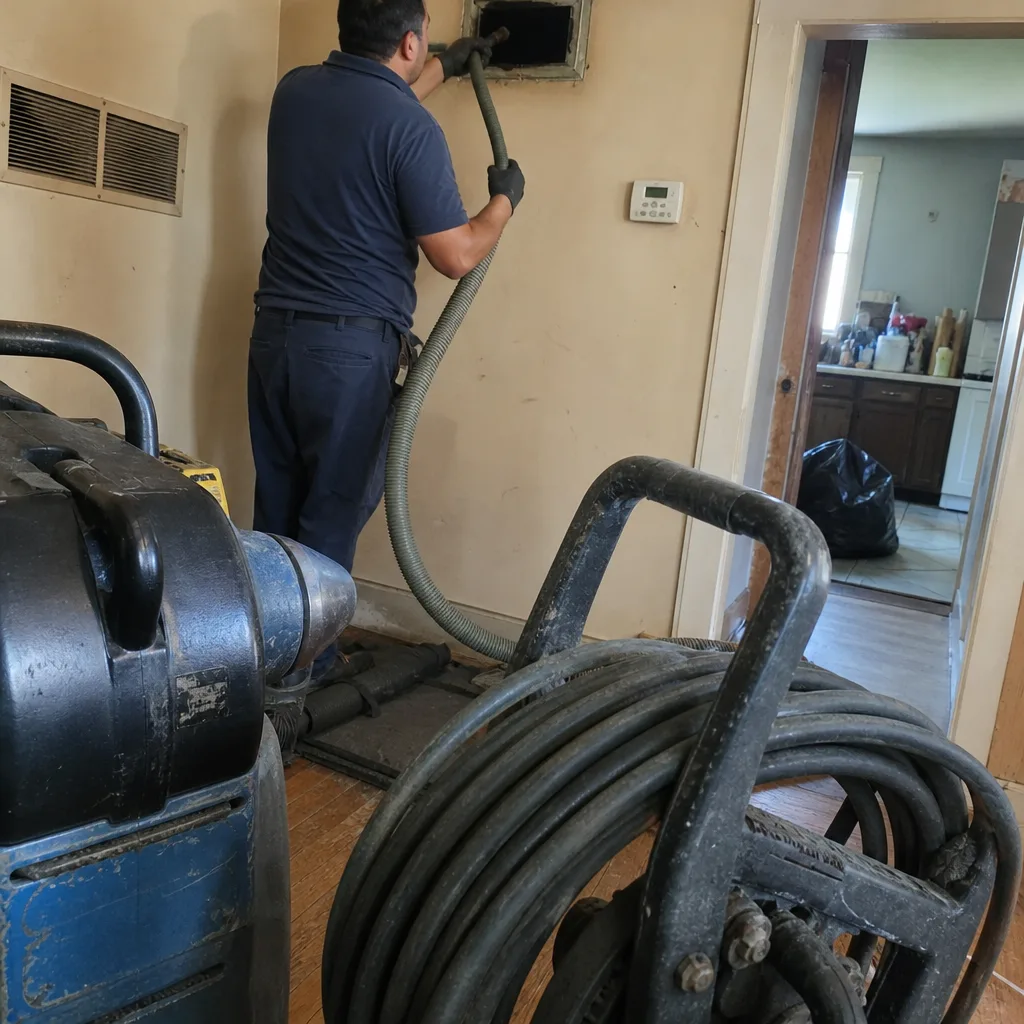 Before
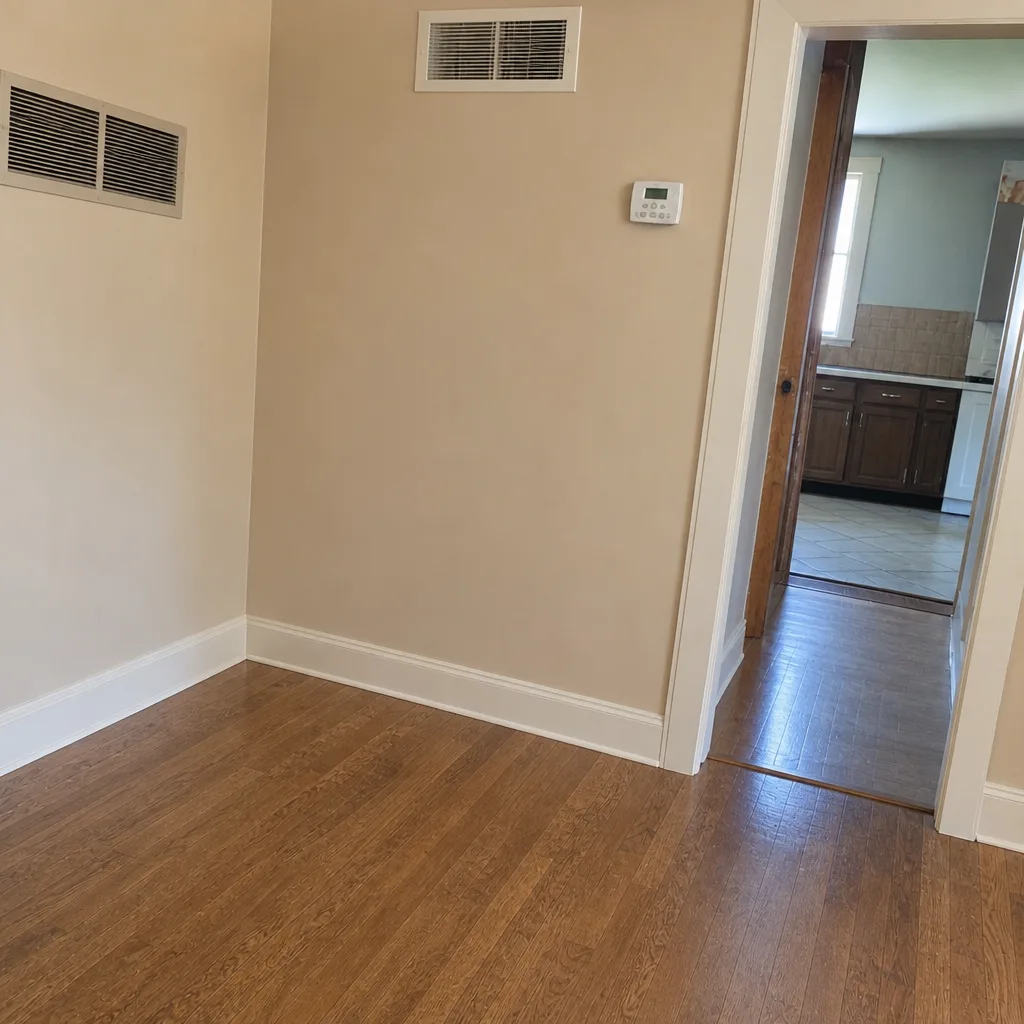 After
When to Call a Professional
Some of this you can check yourself. Anything involving opening the ductwork, cutting into a plenum, or pulling a permit is not a DIY job. Call a professional if:
- You see crushed, disconnected, or sagging ductwork in the basement or attic.
- Rooms are consistently hot or cold in a way that doesn’t match the thermostat setting.
- A previous contractor cleaned the ducts but the musty odor didn’t go away.
- You’re buying or selling a home in Paterson and the inspector flags ductwork as modified.
- You’re getting ready to add a branch run, extend a duct to a new room, or replace a section of ductwork.
Duct Cleaning Paterson offers free estimates in Paterson for duct cleaning, dryer vent cleaning, and duct repair. Call (844) 967-3384 to schedule. We answer 24/7, with fast dispatch from 7am to 7pm, Sunday through Friday.
Frequently Asked Questions
No. Routine air duct cleaning in Paterson does not require a permit because New Jersey classifies cleaning as maintenance under the Uniform Construction Code. If the visit turns into duct repair or replacement, the work may need a mechanical permit. Call (844) 967-3384 with the specifics of your scope and we can walk you through which side of that line your job falls on.
Either the homeowner or the licensed contractor can pull it. In practice, the contractor pulls it because they have the license and the scope of work. Either way, the permit is filed with the City of Paterson’s construction office before work starts, never after.
Cleaning keeps the existing system running. Repair changes the system. NJ’s UCC classifies cleaning and filter changes as maintenance, while duct replacement, new branch runs, and return air reconfiguration are mechanical alterations. Alterations need a permit; maintenance doesn’t.
It can. If a claim traces back to duct work that was modified without a permit, your insurer may investigate whether the work was performed legally, and that can affect coverage. Unpermitted work also becomes a disclosure issue if you sell the home. Getting the permit pulled at the time of the work is far cheaper than a retroactive permit or a denied claim.
You should ask for the scope of work in plain language, the permit status stated explicitly, before-and-after photographs of the duct interior, the materials specification, the equipment being used, and a written estimate before work starts. A contractor using Rotobrush or Nikro equipment should be able to hand you all of that.
There’s no fixed schedule. Ductwork should be inspected any time there’s a change to the HVAC system, a home sale, a renovation, or a persistent airflow problem. If you’re unsure, a duct cleaning visit is a reasonable checkpoint because the technician can see the inside of the system and flag anything that looks modified without a paper trail.
The Bottom Line
Routine duct cleaning in Paterson doesn’t need a permit. Duct replacement, new branch runs, plenum penetration sealing, and return air reconfiguration do, because NJ classifies them as mechanical alterations. The permit gets pulled through the City of Paterson before work starts, the mechanical inspector verifies the work, and the paper trail protects you at insurance-claim and home-sale time. Ask any contractor to state in writing whether a permit applies to your job, and get before-and-after photos of the ducts either way. The five minutes that takes is worth more than any verbal promise.
Written by the team at Duct Cleaning Paterson.