
Last updated November 16, 2026
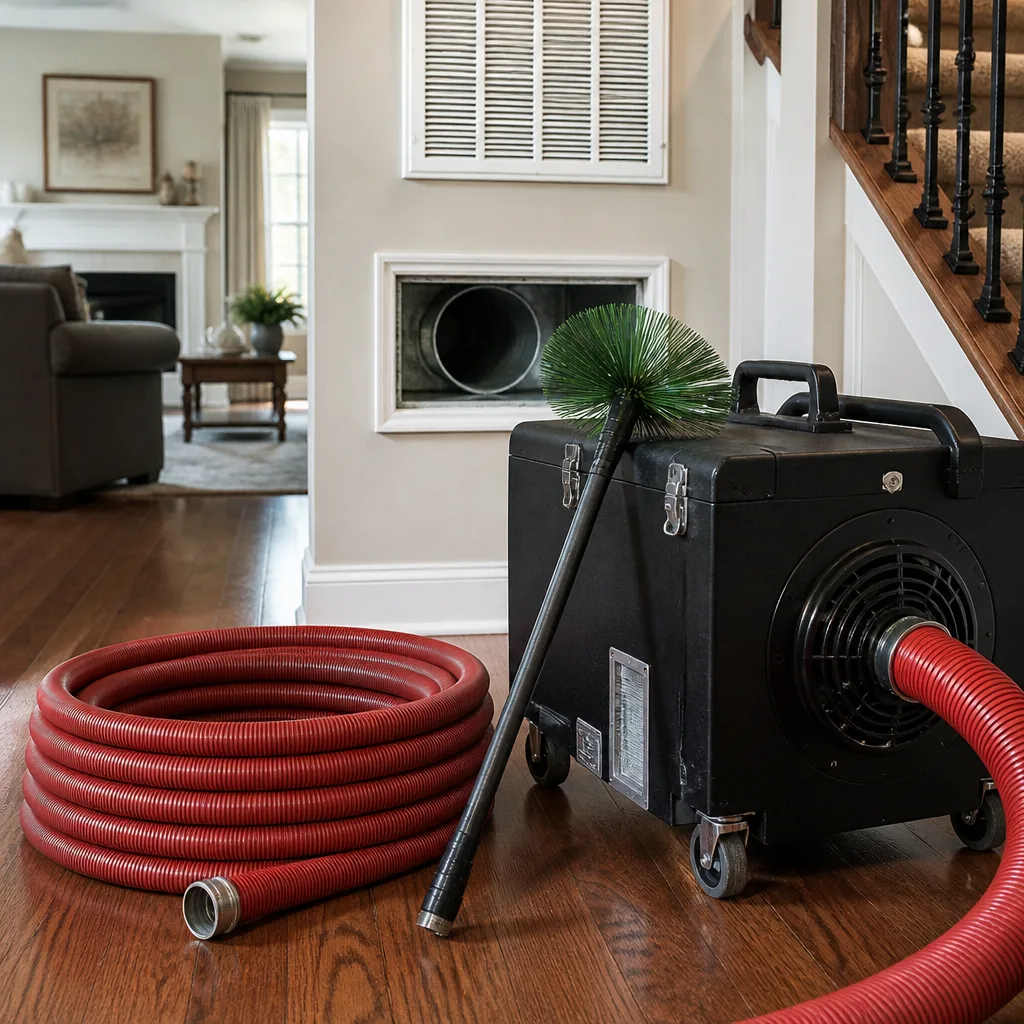 Whole-home duct cleaning
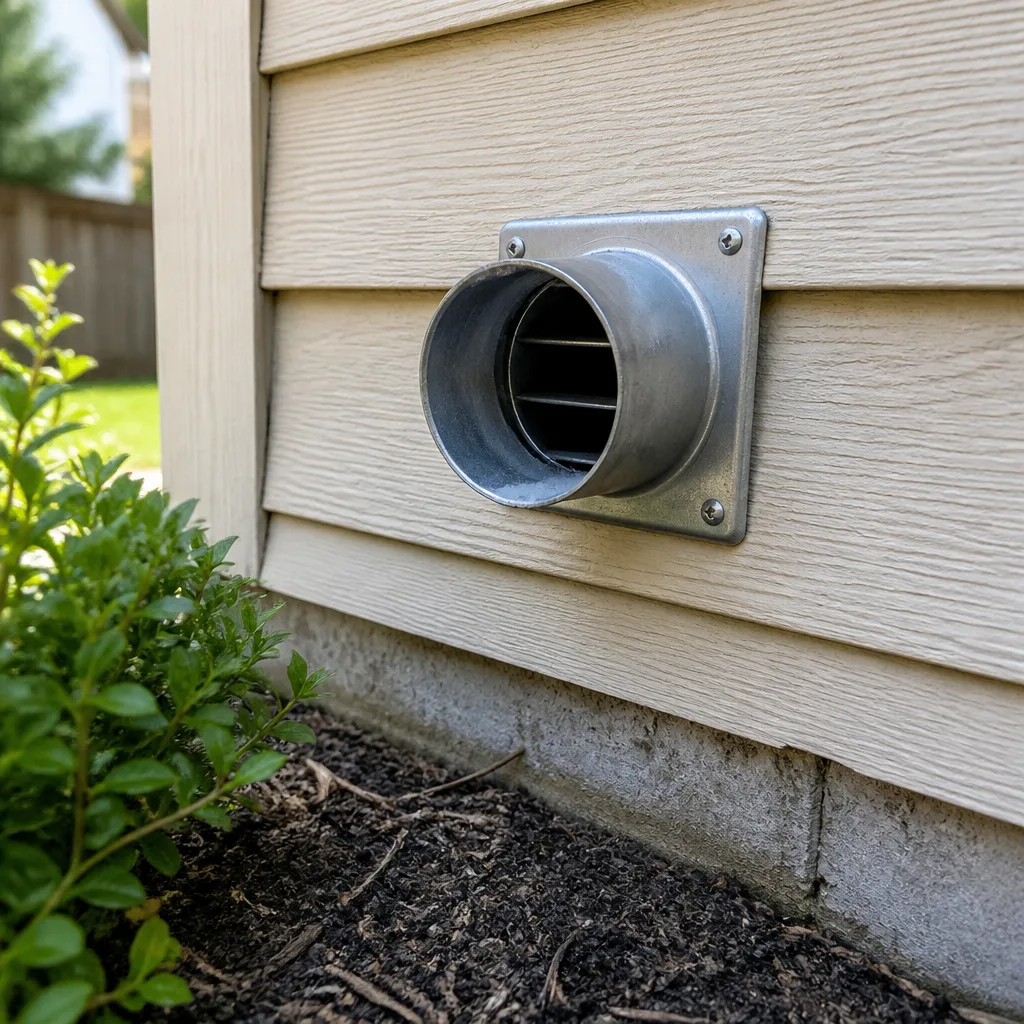 Dryer vent cleaning
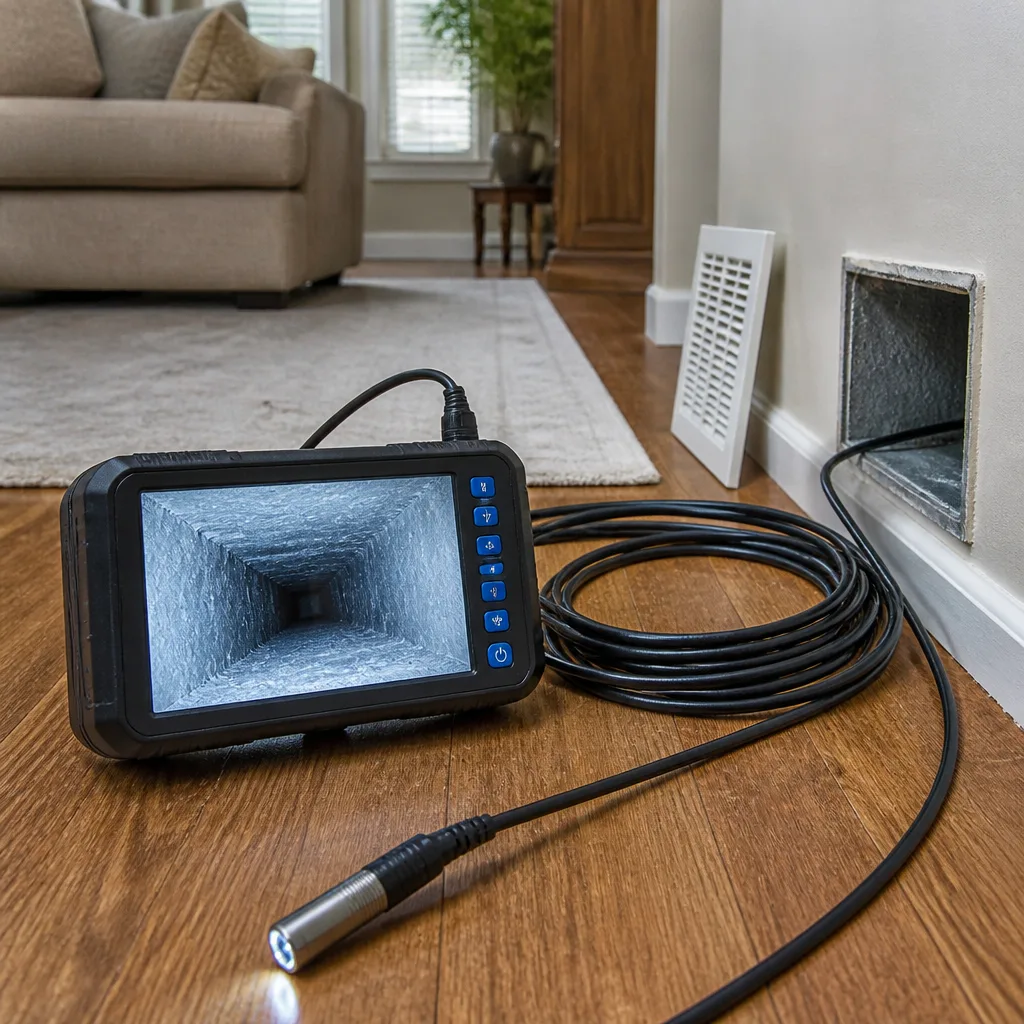 Camera inspection
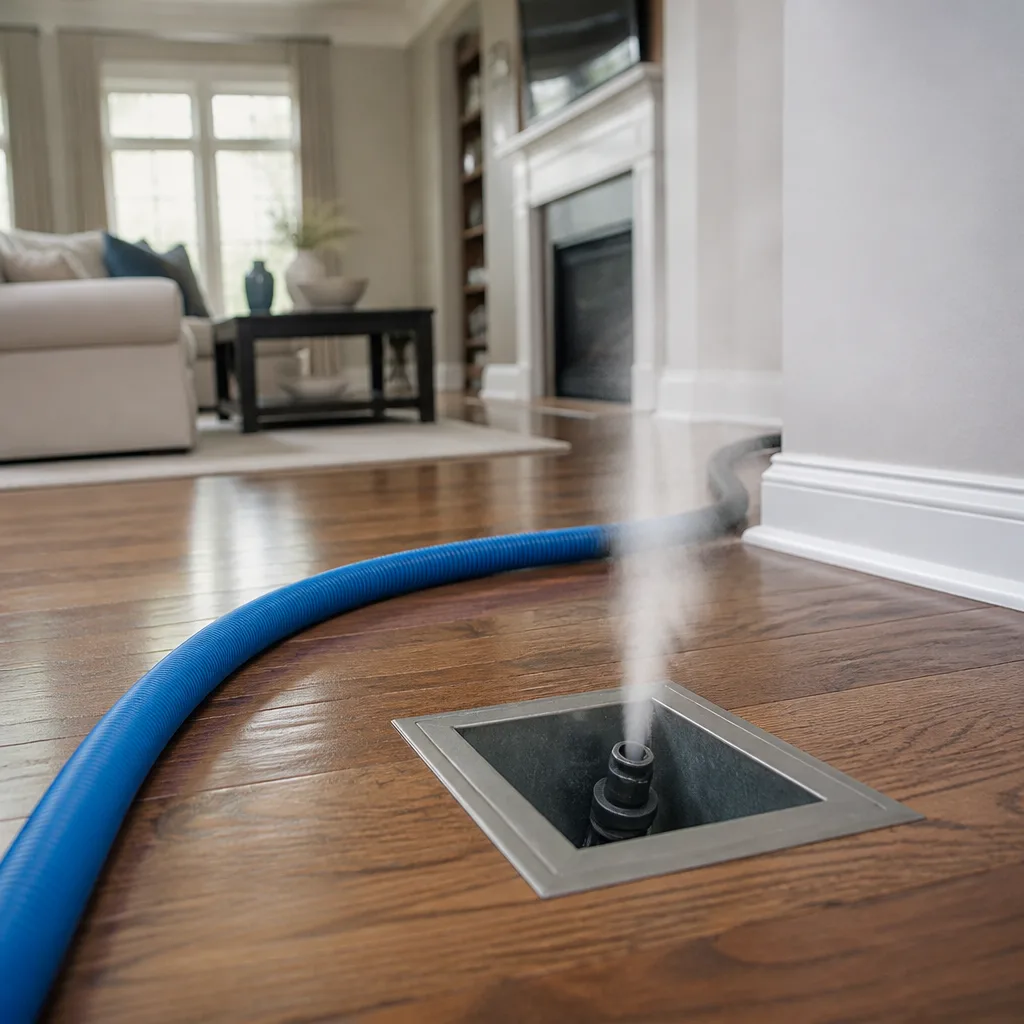 Sanitizing & deodorizing
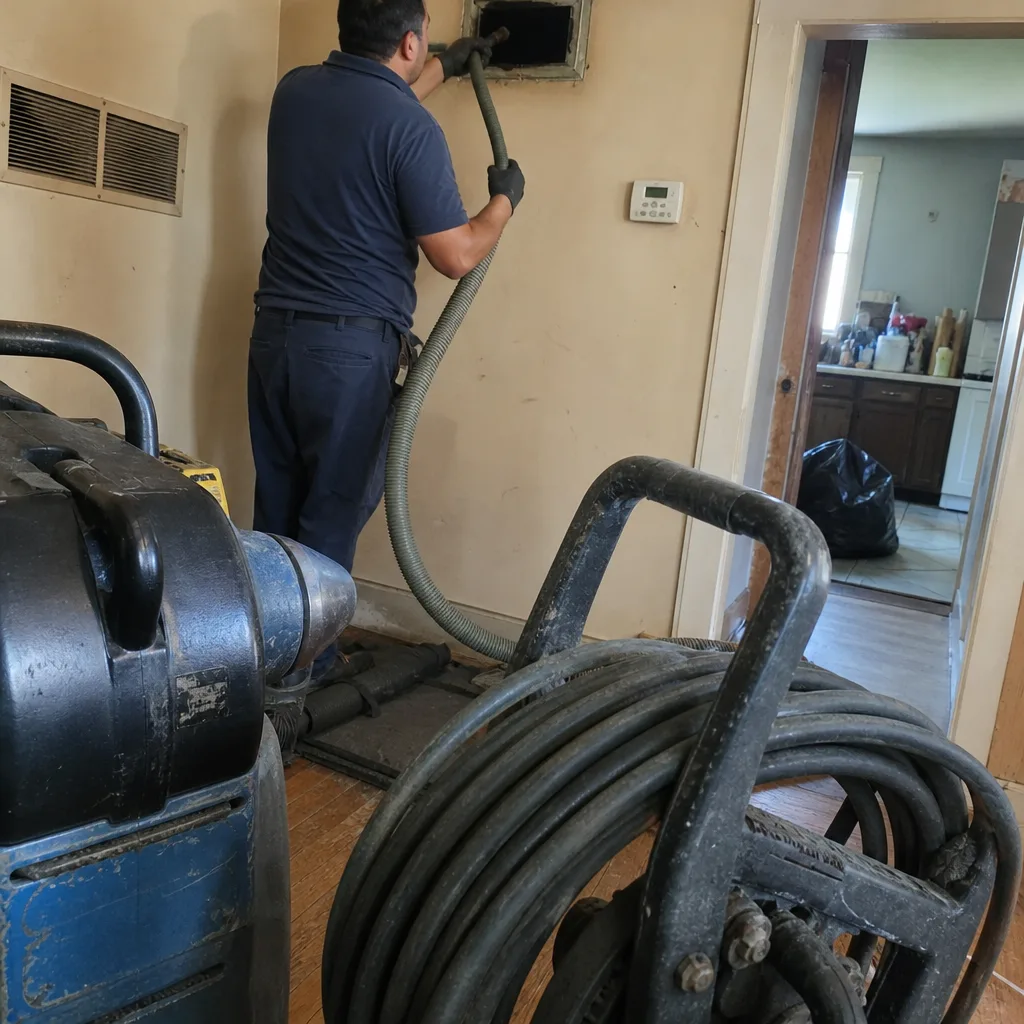
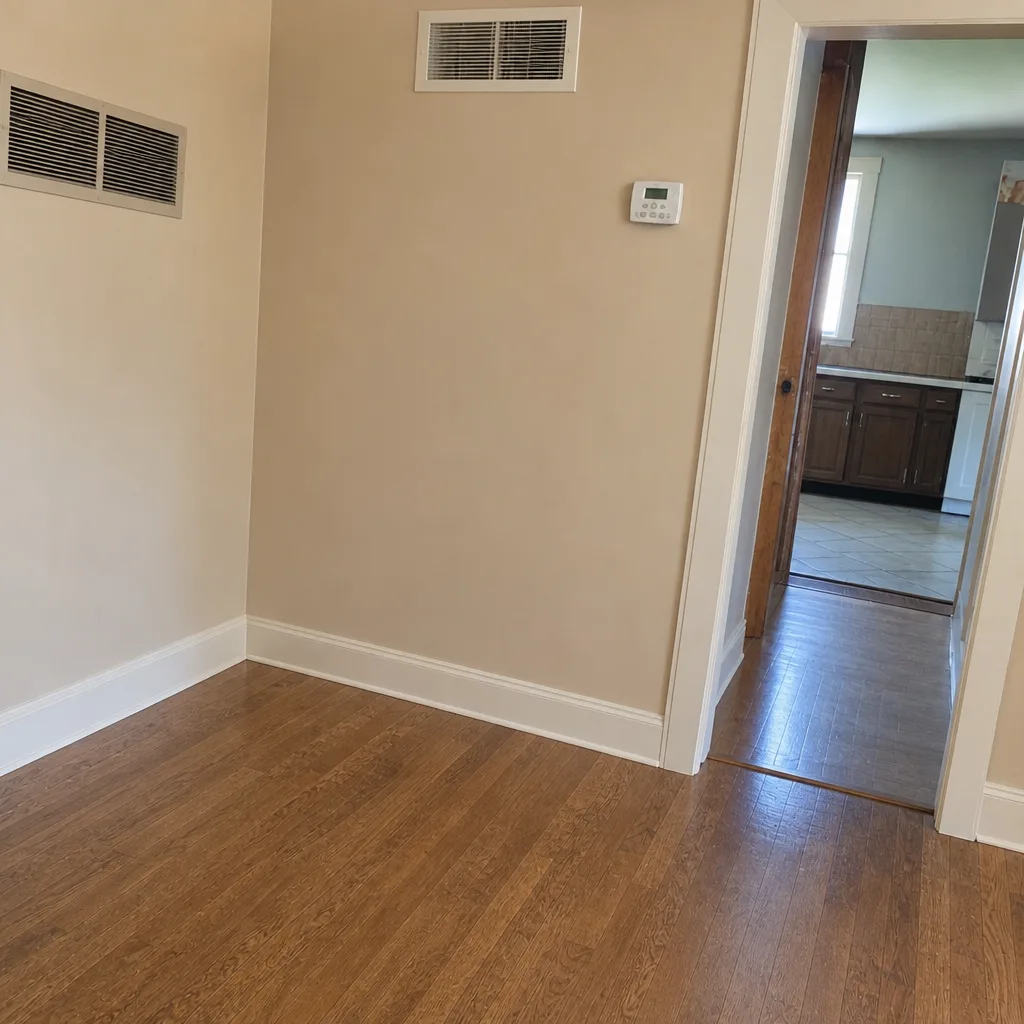
Whole-system duct and dryer vent check with before-and-after photos - you see exactly what came out of your vents
That "$99 whole-house special" is a bait ad - the real number appears once they are in your hallway, or the "clean" is a shop-vac at the register. We photograph the inside of your ducts before and after instead.
Air Duct Cleaning Troubleshooting in Paterson: Common Problems and How to Fix Them
If one room in your Paterson home is always too hot or too cold even after a duct cleaning, the ducts probably weren’t the problem. A disconnected joint, a crushed flex run, or a leaking plenum behind a wall is the more likely culprit, and no amount of vacuuming will close a gap. That’s the part most duct cleaners won’t tell you, because most duct cleaners only clean.
This guide is about diagnosis first. We’ll walk you through the simple observations you can make at home to separate a dirty-duct symptom from a structural duct problem, explain why cleaning a compromised system can make things worse, and show you where troubleshooting crosses the line into a professional inspection with a camera or a Rotobrush system. By the end you’ll know what to check, what to stop touching, and what to ask a contractor before anyone touches your ductwork. Paterson homes have specific quirks here, and we’ll get into those too.
Quick Answer
Most air duct problems in Paterson break into two camps: dirty ducts and broken ducts. Dirty ducts show up as dusty supply registers, musty odors when the system kicks on, and visible buildup near the vents. Broken ducts show up as uneven airflow room to room, whistling at grilles, or dust pulled in through a gap after cleaning. Dirty ducts are solved by a proper whole-system cleaning. Broken ducts need air duct cleaning plus a dedicated duct repair, and cleaning alone will not fix a disconnected flex run or a leaking plenum. Diagnose which one you have before you book anything.
Styles & brands we work with
- Whole-home duct cleaning
- Dryer vent cleaning
- Camera inspection
- Sanitizing & deodorizing
Table of Contents
- Dirty-Duct Symptoms vs. Structural Duct Problems
- Simple Home Tests You Can Run Today
- What a Visual Inspection of Accessible Ducts Reveals
- Why Cleaning a Leaky Duct System Can Make It Worse
- Signs a Previous Duct Cleaning Went Wrong
- Paterson-Specific Duct Troubles
- When Troubleshooting Requires a Camera or Rotobrush Inspection
- Repair vs. Clean: Choosing the Right Job
Dirty-Duct Symptoms vs. Structural Duct Problems
The single most useful distinction in duct troubleshooting is whether your system is dirty or broken. They get lumped together because they share a home, but the fix is completely different. Here’s how to tell them apart.
Dirty-duct symptoms
These point to buildup inside the ducts that a proper cleaning will remove:
- Dark rings of dust around supply registers and return grilles
- A musty or stale smell that shows up only when the blower runs
- Visible debris, dust, or pet hair just inside the return
- Allergy complaints that improve when the system is off
- A film of dust settling back on furniture within days of cleaning
Structural duct problems
These point to the duct system itself leaking, collapsing, or being disconnected:
- One room consistently hotter or colder than the rest of the house
- Weak airflow at registers that are farthest from the air handler
- Whistling, hissing, or a rushing sound at a particular grille
- Dust streaks along a ceiling line where a duct runs behind the drywall
- A burned or plastic smell from heated dust on a hot component
- Higher energy bills with no change in how you run the system
If more than two items from the structural list sound familiar, stop planning a cleaning and plan a diagnostic inspection. In our experience in Paterson, a large share of the calls that come in asking for a cleaning end up needing at least one joint repaired before cleaning makes sense. Old galvanized trunk lines in the city’s older housing stock love to separate at the seams, especially in the unconditioned areas.
Simple Home Tests You Can Run Today
You don’t need tools to sort a dirty duct from a broken one. These five checks take about fifteen minutes and give you real information to share with a contractor.
- The tissue test at every supply register. Hold a single square of toilet paper against each supply grille while the fan is running. It should flutter and stay pinned. If it sags in one or two rooms but holds tight in the others, that run is underperforming and likely leaking or crushed somewhere between the plenum and the grille.
- The kitchen-paper trace on the return. Turn the system off, then hold a strip of tissue near the edges of the return grille and turn it on. If the tissue gets pulled tight to the grille frame at all four edges, the return seal is good. If it flutters at one edge, that return is pulling air from the wall cavity rather than the room.
- The overnight settle test. Put a clean white dish upside down on a table in the problem room and a matching one in a room with good airflow. Keep the system running overnight. In the morning, if the problem room’s dish has a fine, even dust coat and the other doesn’t, that room is getting a persistent dirty airstream, which usually means an unfiltered path into that run.
- The smell test. Run the fan alone with no heat or cool. If a musty smell appears within a minute of the fan starting, that’s buildup in a duct or coil. If it appears only when the heat kicks in, that’s dust burning off the heat exchanger, which is a different problem.
- The visual register check. Shine a light into each supply register. You should see clean sheet metal or flex duct liner. If you see the interior liner of a flex duct hanging loose, a rodent-damaged section, or a taped joint sitting unevenly, note it and photograph it. That photo will save you time later.
Write down which registers failed the tissue test and which rooms have the dust and smell issues. That short list is the single most valuable thing you can hand a technician when you call. If you’d rather skip the homework and have someone run these checks in Paterson for you, we do that as part of the free estimate.
What a Visual Inspection of Accessible Ducts Reveals
A visual inspection focuses on the accessible parts: the air handler plenum, the trunk line connections, the branch takeoffs, and any flex runs that are visible in a basement, crawlspace, garage ceiling, or closet. Most of a duct system is hidden inside walls, but the accessible portion tells a technician a lot.
Here’s what we look for on a visual:
- Separated joints. Two sections of duct that should meet flush are instead sitting apart, often with old cloth tape failed or missing. A quarter-inch gap in a trunk line pulls more dust from the basement than the filter ever catches.
- Crushed or kinked flex duct. Flex duct should run in gentle sweeps. If it’s pinched behind a joist, doubled back on itself, or sagging with a sharp elbow, air volume through that branch drops dramatically and the branch collects debris at the kink.
- Torn or displaced interior liner. Flex duct is lined. When the liner tears, the air passes over bare insulation and carries glass fibers into the room.
- Leaking plenum connections. The plenum is the big metal box at the air handler. Gaps where the ducts meet it are extremely common and quietly rob the whole system of pressure.
- Ducts routed through unconditioned space without insulation. In a Paterson attic or garage ceiling, an uninsulated duct run will sweat in summer and drive condensation problems inside the duct.
- Improperly supported runs. Flex duct that sags between straps catches debris at the low point, and that’s where the musty smell starts.
When the inspection turns up any of the first four items, the job changes from cleaning to repair. Cleaning a system with a torn interior liner can push fiberglass deeper into the branch. Cleaning around a large gap pulls in more basement air than before. That’s the moment the estimate should shift, and a contractor who doesn’t flag it is either not looking or not telling you.
Why Cleaning a Leaky Duct System Can Make It Worse
Duct cleaning works by creating controlled negative pressure at the registers and pulling the dust out through a hose connected to the truck or portable unit. The blower and vacuum are deliberately aggressive. That’s a good thing inside a sealed system. Inside a leaky one, it’s the opposite.
When there’s a gap in the trunk, a crack at a plenum seam, or a disconnected branch behind drywall, the cleaning equipment doesn’t know about it. The negative pressure doesn’t stop at the register; it pulls the surrounding air from every gap in the run. That air comes with whatever’s in the wall cavity or the basement – insulation fibers, mouse droppings, construction dust, and loose debris sitting on top of the duct. All of that gets pulled into the airstream and beyond it, toward the rest of the house. Sometimes it gets pulled deeper into branch runs, where it settles back out after the vacuum is gone.
That’s why we verify duct integrity before any cleaning that involves serious contamination. Our technicians use Rotobrush and Nikro systems for standard cleaning and bring in Abatement Technologies equipment with negative-air containment when a job involves contamination-heavy debris or when the ductwork has gaps that would otherwise distribute trouble rather than remove it. Guardsman access panels let us open a section for inspection without cutting into the system blind.
The order of operations matters:
- Run a source test to confirm the debris is in the ducts and not the coil or the cabinet.
- Locate obvious gaps with a visual inspection and, if needed, a camera.
- Repair the critical gaps so the negative pressure behaves.
- Clean the full system with professional equipment.
- Recheck airflow before and after to confirm the improvement.
A contractor who wants to clean before confirming the system holds pressure is either working fast or hasn’t thought it through. Either way, you pay the price in dust you didn’t have before.
Signs a Previous Duct Cleaning Went Wrong
Not every bad duct job leaves a visible mess. Some of the worst ones look fine on the surface and only show up when you look closely or live with the system for a few weeks. Here are the signs we see most often when we’re called in to check out work a homeowner isn’t sure about.
- Tape residue and re-sealed registers. If you find duct tape or foil tape stuck across the grille frame or across the register slats, that’s a sign the cleaner sealed every opening as a shortcut and then didn’t fully clean behind the seal. It’s not a required step of the process; it’s what happens when the wrong equipment is used.
- Disturbed insulation around flex runs. Freshly displaced or torn insulation on the outside of a flex duct points to a brush or hose that was dragged roughly through the space. Flex duct is durable but not forgiving, and the insulation that comes off ends up in your air.
- A burned-dust smell after the cleaning. A small amount of dust odor right after a cleaning is normal and clears in a day. A persistent burned smell over a week means the contractor left dust on the heat exchanger or pushed it into a hot section. That’s not the dust burning off; that’s debris they didn’t remove.
- No improvement in the original symptom. If your complaint was uneven airflow and it’s still uneven, the cleaning didn’t address the actual problem. That’s not a sign cleaning failed; it’s a sign cleaning wasn’t the right job.
- Registers that pull tissue harder after cleaning than before. Stronger-than-improved pull at multiple registers can mean the cleaner dislodged a joint seal somewhere. The system now leaks into the wall cavity and pulls air from the wrong place.
- No before-and-after photos or video. A serious cleaning operation documents what the return looked like and what it looks like after. If nobody showed you the reveal, the work may have been surface-level.
If you’re not sure whether your last cleaning was done properly, don’t panic. The fix is usually straightforward: a proper inspection, a camera look at the worst-suspect branch, and a plan that either re-cleans the confirmed problem areas or repairs the ducts that were damaged. Ask the contractor to walk you through what they found and what they’re fixing before anything starts.
Paterson-Specific Duct Troubles
Paterson’s housing stock shapes duct problems in specific ways. The city has a lot of older multifamily and single-family homes, many with systems that were retrofitted rather than designed from scratch. That changes what you’re troubleshooting.
Retrofit ductwork in older homes. A huge share of the housing in neighborhoods like the Eastside, Great Falls, and Sandy Hill has ductwork added after the fact. That often means trunk lines routed through tight ceilings, transitions between original plaster walls and newer drywall, and flex branches squeezed into joist cavities that were never sized for them. Retrofit joints are more likely to separate because the plenum connection was never a clean fit.
Pressure imbalance in multifamily buildings. In a two- or three-unit building, one system can pull air from another apartment through shared returns or exhaust paths. That means dust and odor show up in a room where no one in your household smokes, cooks, or keeps a pet. Symptoms here aren’t a cleaning problem at all; they’re a pressure and return design problem, and a thorough inspection is the only way to sort it out.
Winter condensation inside duct runs. Paterson gets cold winters and hot, humid summers. Flex duct or uninsulated metal duct in an unconditioned attic or crawlspace will sweat through the season, and that condensation feeds mold in the duct lining and the low-sag sections where debris collects. If you smell a musty odor only in one season and not the other, this is the first thing to check.
Dryer vents sharing tight interior paths. The city’s dense housing means dryer vents often run long and bend through interior walls. That’s a fire-safety issue, not a cosmetic one. We treat dryer vent cleaning as a safety service, separate from duct cleaning, because the problems and the risks are different. If your dryer loads take two cycles to dry, get eyes on the vent before you look at the ductwork.
Basement air infiltration. Many Paterson homes have unfinished or half-finished basements with ductwork running through them. Return ducts routed through basement ceilings quietly pull crawlspace air and humidity into the living space. That’s a duct integrity and pressure issue, not a filter issue, and it’s the most common reason we find a cleaning job turns into a repair.
When Troubleshooting Requires a Camera or Rotobrush Inspection
There’s a point where home tests and a visual check top out. You can see the register, the plenum, and any exposed run. You can’t see inside the wall cavity, into the branch that’s responsible for the hot room, or down a return chase. That’s when a professional inspection pays for itself in avoided guesswork.
Here’s when we recommend moving to a full inspection:
- Consistent room-to-room temperature differences that a cleaning has already failed to fix.
- Hard airflow at a specific register that is low, zero, or noticeably weaker than the others, with no obvious kink at the accessible end.
- A musty smell in a room that has no visible cause and no plumbing leak behind it.
- A suspected disconnected branch based on dust streaks along a ceiling, or a tissue test that fails in only one room.
- Post-cleaning dust returning within a few days at one room, indicating a leak or a return problem nobody has located.
- Signs of animal activity at the plenum or at an accessible duct, which almost always means the run upstream of it needs to be checked end to end.
A proper inspection uses a camera through an access panel or a scoped connection, and pairs that with a Rotobrush system for cleaning and a controlled test of airflow. Our technicians have up to 11 years of experience and we usually know within a few minutes whether the problem is buildup or a break. We document what we find – video of the interior, and before-and-after photos of the registers – so you’re not taking anyone’s word for it. On jobs with heavier contamination, we bring in Abatement Technologies equipment and run the work under negative-air containment so the debris that does come out stays captured, not redistributed.
Once we’ve located the failure point, the plan changes. Sometimes it’s a Duct Cleaning Paterson visit with a full repair line added. Sometimes it’s the opposite. Either way, you get one flat price per system agreed before work starts, not a per-vent figure that grows as the technician explores.
Repair vs. Clean: Choosing the Right Job
The final diagnosis on almost every duct call comes down to one of three jobs: clean, clean plus repair, or repair only. Here’s how to think about which one you’re actually booking.
Clean only
The system holds pressure, the joints are intact, and the complaint is buildup: dusty registers, musty odor, visible debris in the return, or a recent renovation that sent drywall dust through the house. Cleaning is the whole fix. Our air duct cleaning service uses Rotobrush and Nikro equipment, runs the full system, and ends with a system-level check to confirm air pressure is where it should be.
Clean plus repair
The cleaning revealed a joint separation, a crushed flex branch, a torn liner, or a leaking plenum connection. Cleaning alone would leave the system broken. Repair alone would leave the accumulated dust in the sections that are still intact. This is the most common outcome we see on older Paterson housing stock, and it’s why duct repair needs to be a service you can actually book, not an add-on a cleaner offers as a favor.
Repair only
The system is clean enough, but a single branch is disconnected or crushed. Reconnecting, rerouting, or replacing the branch resolves the whole complaint without a cleaning. If the registers in the affected rooms were just cleaned, repair only is often the right call.
What you want to avoid is paying for a full cleaning when only a repair was needed, or paying for a repair when cleaning plus repair is the only path to a working system. Any contractor who inspects first and quotes second is on your side. A contractor who quotes the same cleaning package over the phone without seeing anything is not diagnosing anything.
Common Mistakes to Avoid
- Booking a cleaning to fix uneven airflow. A cleaning removes dust; it does not close gaps or open crushed flex runs. If one room is the consistent problem, ask for a diagnosis first and a cleaning second.
- Sealing every register with tape to “contain” dust. Taping all the registers forces the vacuum to pull from gaps in the ducts and can move debris deeper into the system instead of out. A proper job uses the access and containment equipment the system actually needs, like the Abatement Technologies setup we bring on contaminated jobs.
- Ignoring a musty smell that only shows up in summer. In Paterson, that seasonal smell pattern is almost always condensation inside a duct run in an unconditioned space. Cleaning without addressing the insulation just starts the clock over again.
- Assuming more cleaning is the answer. If you cleaned two years ago and the same symptom is back, the cause was never resolved. Look for the leak or the break rather than repeating the same job.
- Choosing a quote on price alone with no inspection. The cheapest quote is often the least specific. Ask what the contractor will check and what they’ll do if they find a broken joint. If they can’t tell you, they’re selling the wrong service.
- Skipping the dryer vent. The dryer vent is not the ductwork, and its failure mode is fire, not air quality. If the dryer is taking two cycles or the vent run is long and bending through interior walls, get it inspected. Dryer vent cleaning is a separate service for a reason.
- Doing full takeoff-and-reattach work as a DIY job. Reconnecting a duct in a crawlspace or attic means getting above or below the conditioned space, working around the heat exchanger, and correctly taping and sealing a joint. A poorly reattached joint pulls in more debris than the original problem, and a fall from a knee wall or a return into an open plenum is not worth the savings.
See the difference
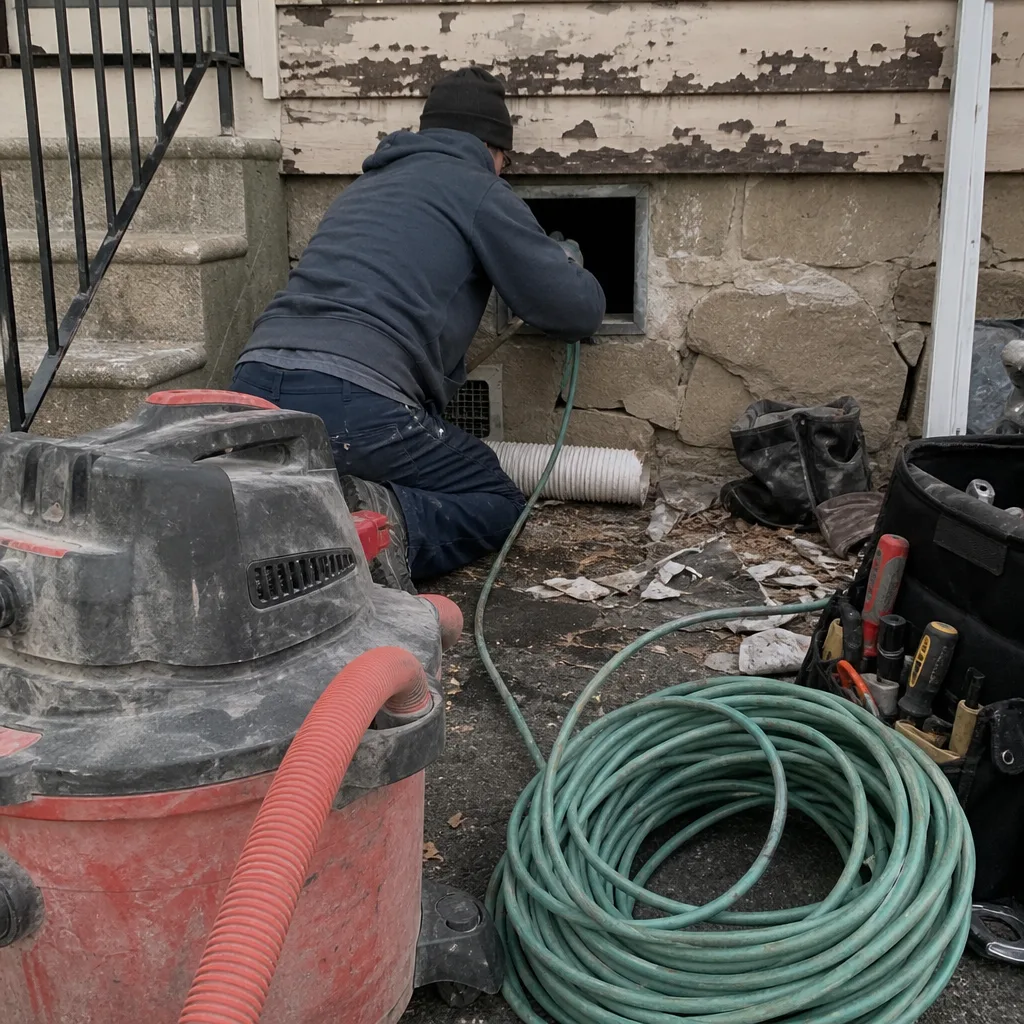 Before
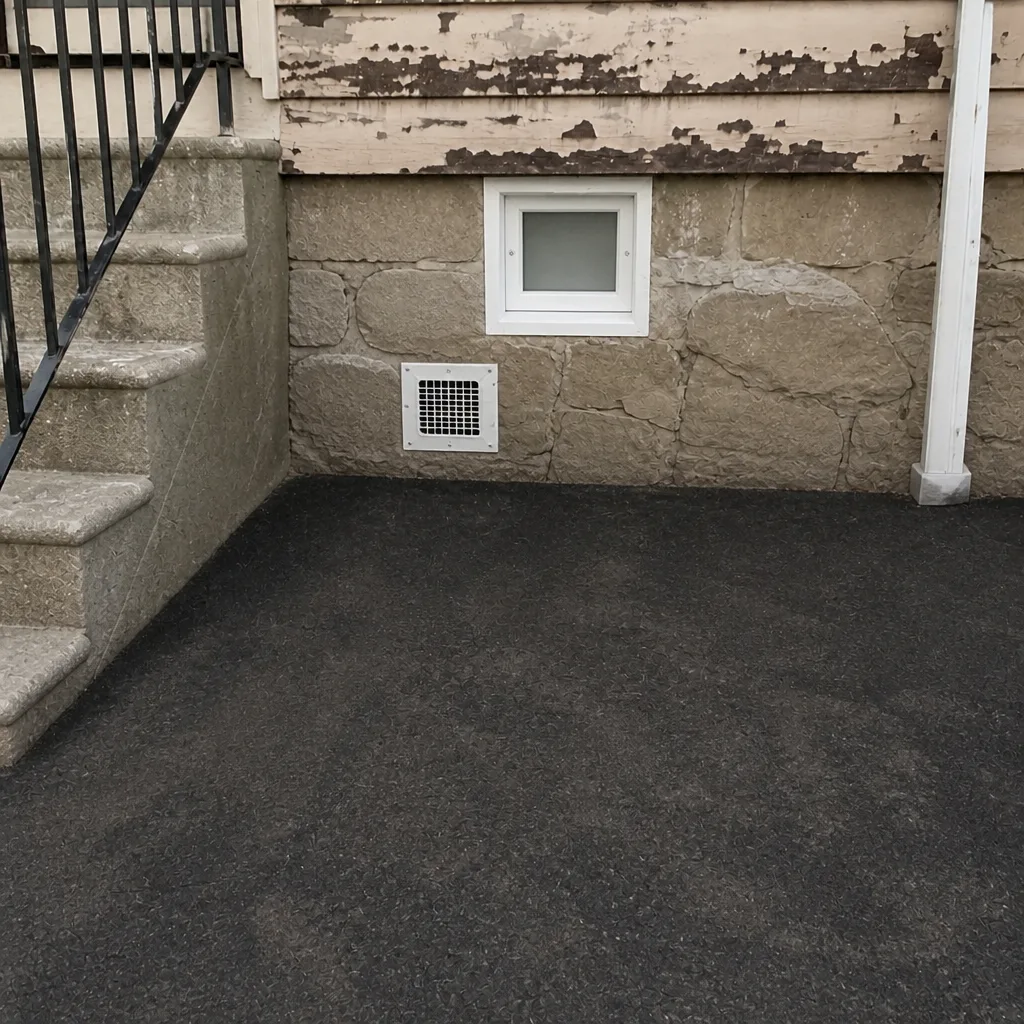 After
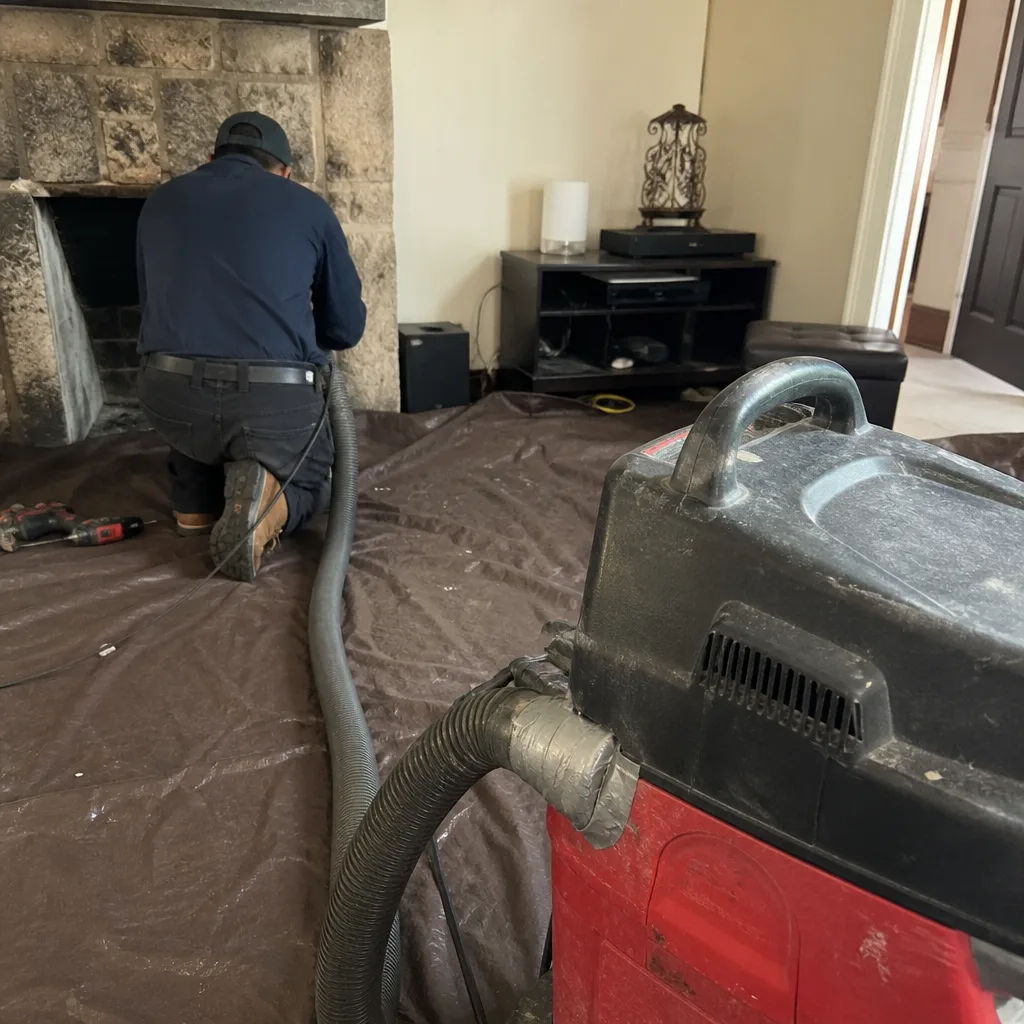 Before
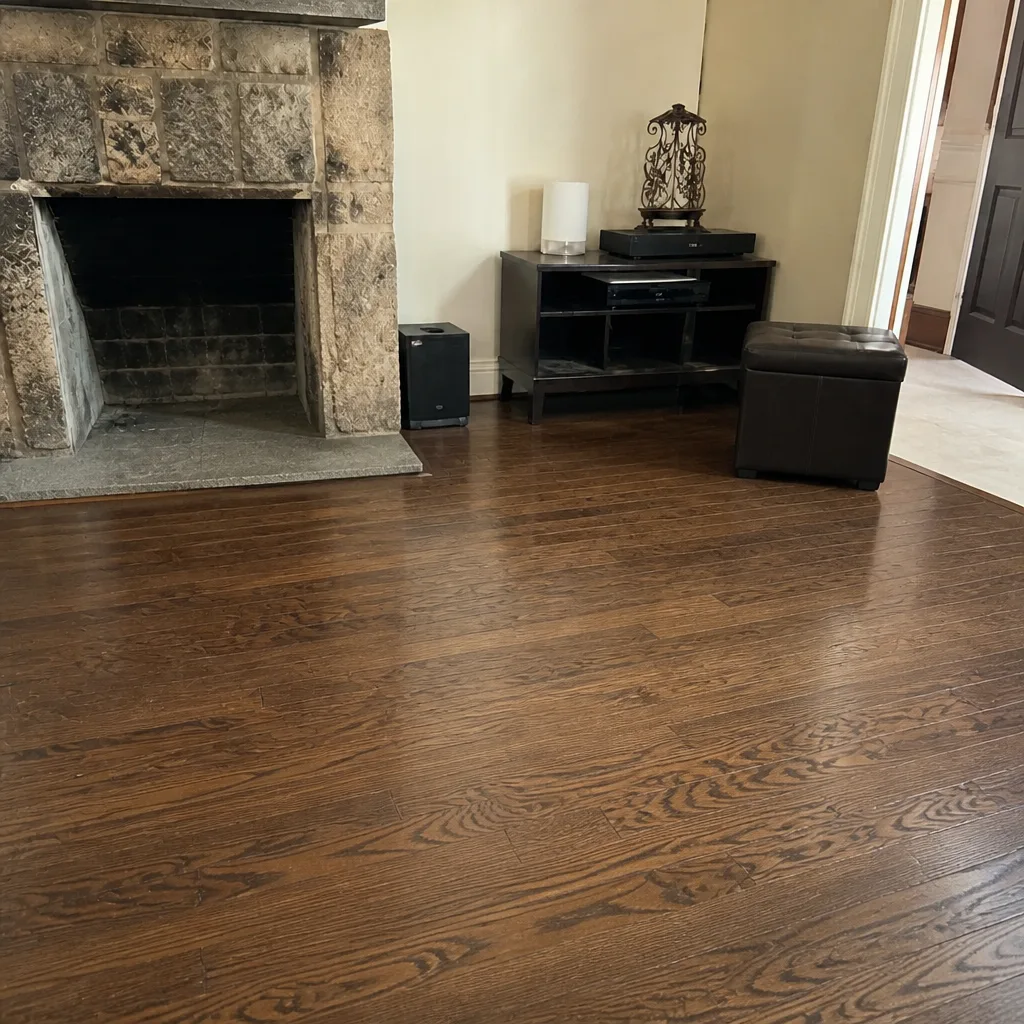 After
 Before
 After
When to Call a Professional
Call a professional if any of these are true: you’ve run the tissue test and one room is clearly starved of airflow; you’re seeing dust streaks along the ceiling where a duct runs; you smell a musty or burned odor that comes back every season; a prior cleaning made no difference or made the problem worse; the dryer is taking two cycles to dry a load; or you’re planning renovation work that will load the ducts with debris. For anything that involves electrical connections, gas-fired heat exchangers, or work at height in an attic, stop and call someone trained for it. Our technicians have up to 11 years of experience and know the difference between a job to clean and a job to repair.
Duct Cleaning Paterson offers free estimates in Paterson. Call (844) 967-3384. We answer 24/7. Fast dispatch from 7am to 7pm, Sunday through Friday. One flat price per system agreed before work starts, before-and-after photos of your own ducts, and if the inspection turns up a broken run, we repair it rather than clean past it.
Frequently Asked Questions
Air duct cleaning in Paterson is priced per system, not per vent, and the typical estimate depends on the number of systems in your home and whether any repair work is needed. Because we inspect before quoting, the estimate you get reflects what your system actually needs. We don’t quote teaser prices over the phone and we don’t surprise you on-site. Call (844) 967-3384 for a free estimate.
Cheap duct cleaning quotes are usually cheap because they skip the inspection, use consumer-grade vacuums instead of a Rotobrush or Nikro system, and clean only what’s visible at the register. Some also quote per vent and then add fees once the technician is on site. The price you want to compare is a flat price per system agreed before work starts, with the equipment and the process documented. Call (844) 967-3384 and we’ll walk you through exactly what we do before we quote.
Ask for before-and-after photos of your own ducts, taken at the same registers and the same plenum connections. A professional job produces a record of what came out and what the interior looks like after. Our technicians photograph the registers, the plenum, and any accessible joints we access so you can see the actual condition of your system. If a contractor can’t show you the reveal, treat it as a warning sign. Call (844) 967-3384 for a free estimate.
Most homes don’t need duct cleaning on a strict schedule. Clean when you have a reason: visible buildup at the registers, a musty smell that comes on with the blower, a renovation that sent drywall dust through the house, a new-to-you home with unknown duct history, or a persistent airflow problem that a diagnostic inspection ties to buildup. For most Paterson homes, tying the cleaning to a symptom beats annual cleaning. Call (844) 967-3384 and we’ll help you figure out whether it’s time.
If a cleaning didn’t fix the problem, the problem was probably never the dust. Uneven airflow, whistling registers, and temperature swings point to a leak, a crushed flex run, or a disconnected joint that cleaning cannot close. The next step is a proper inspection – visual, camera, and airflow check – to locate the failure point before you spend a second cleaning. We run these as part of the air duct repair service. Call (844) 967-3384 for a free estimate.
Yes, when the repair is on an accessible run. We bring repair materials and Guardsman access panels so a disconnected joint or a leaking plenum connection can usually be addressed during the same visit as the cleaning. If the failure point sits in a sealed wall, we’ll tell you up front what the plan is and what it will cost before anything starts. One flat price per system, agreed in advance. Call (844) 967-3384 for a free estimate.
The Bottom Line
Most air duct cleaning problems in Paterson are not really cleaning problems. Uneven airflow, one hot room, a whistling grille, a musty smell that comes and goes with the season – those point to a break, a leak, or a crushed flex run, and no amount of vacuuming fixes any of them. Run the tissue test and the smell test at home. Take photos of what you find. Then call a contractor who inspects before quoting, who can clean and repair, and who documents the work with before-and-after photos of your own ducts. If you’re not sure where to start, we’re happy to help you sort it out.
If you’d like us to take a look, call (844) 967-3384. We answer 24/7. Fast dispatch from 7am to 7pm, Sunday through Friday. Free estimates, one flat price per system agreed before work starts, and a real diagnosis of what’s going on in your duct system.
Written by the team at Duct Cleaning Paterson.