
Last updated November 16, 2026
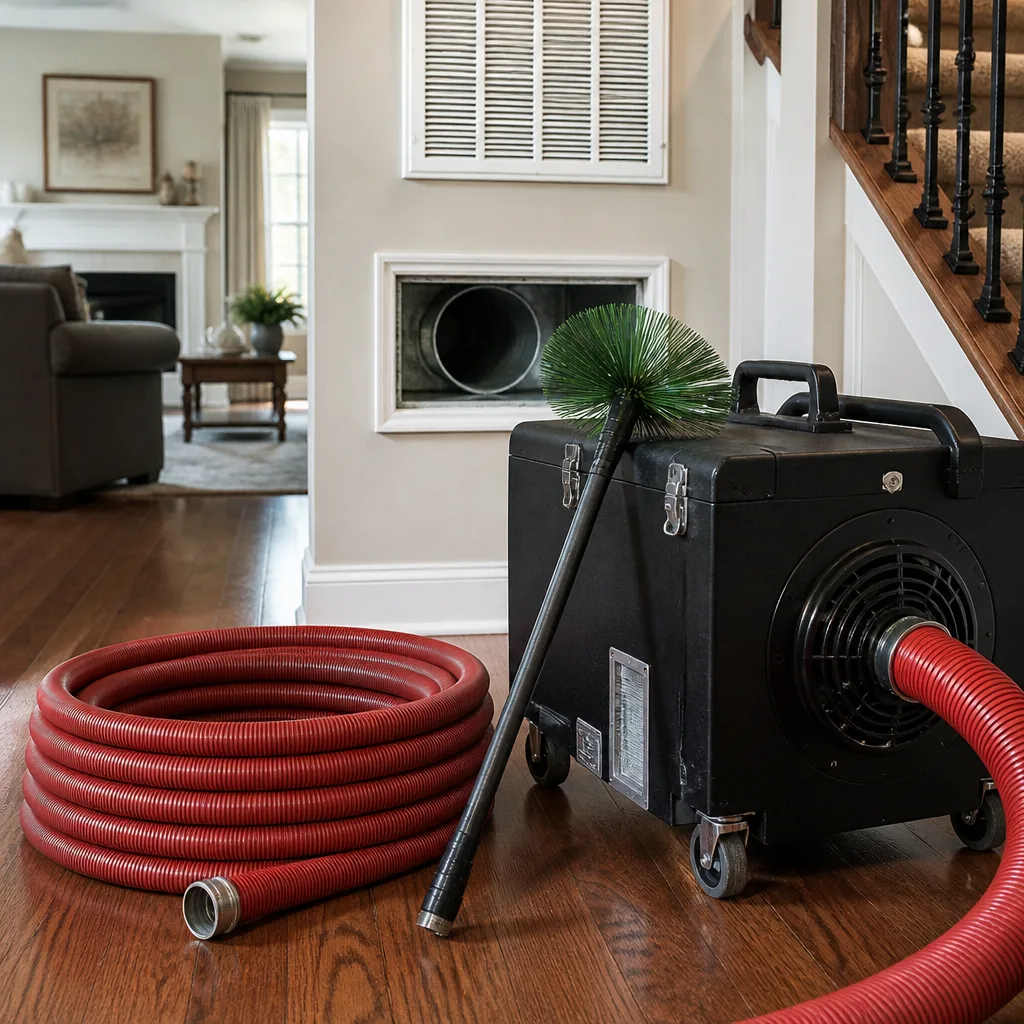 Whole-home duct cleaning
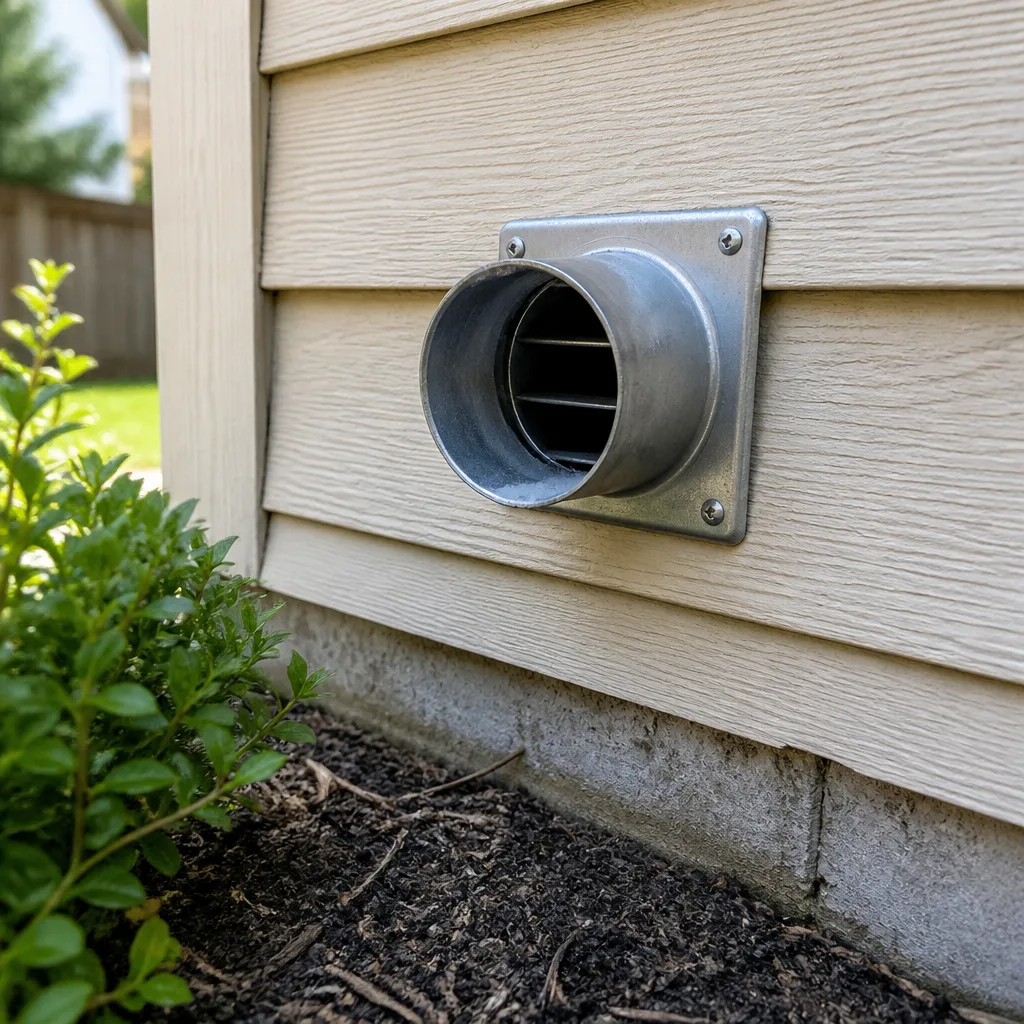 Dryer vent cleaning
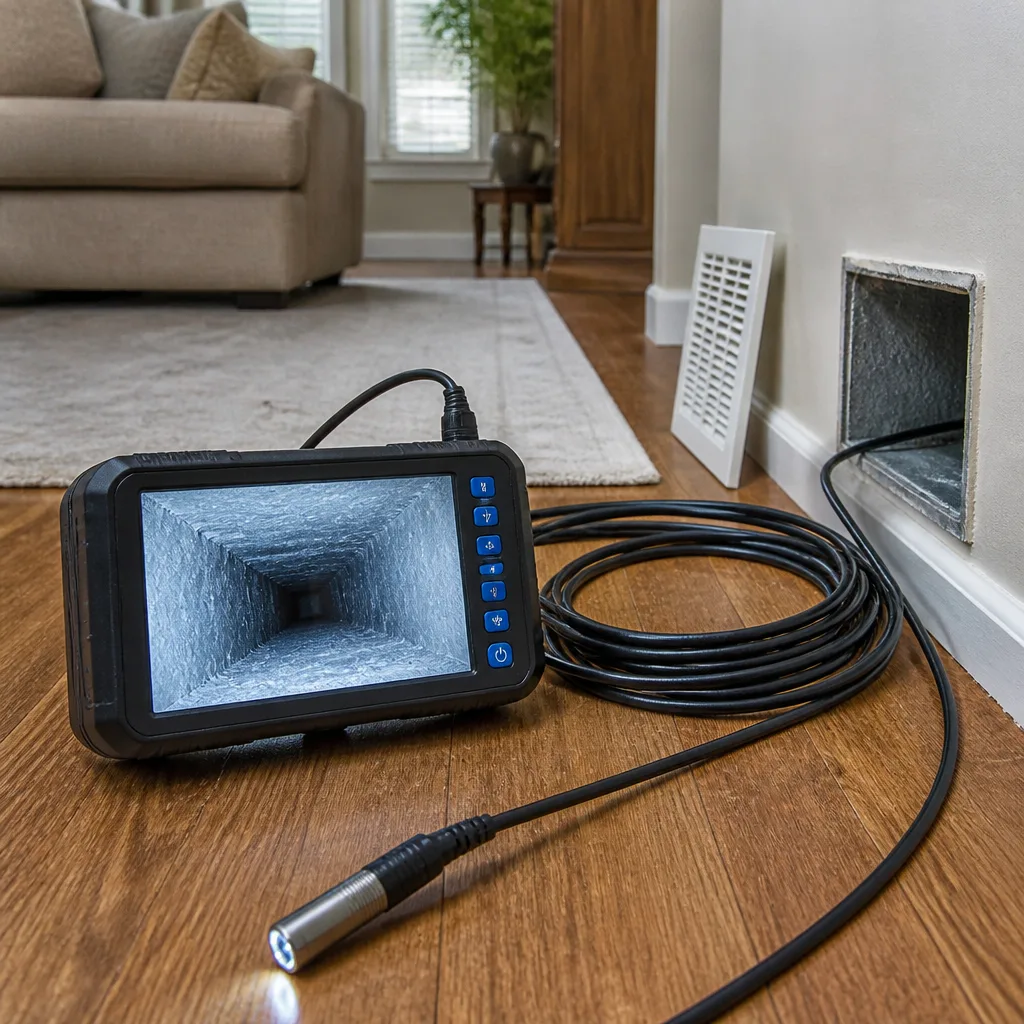 Camera inspection
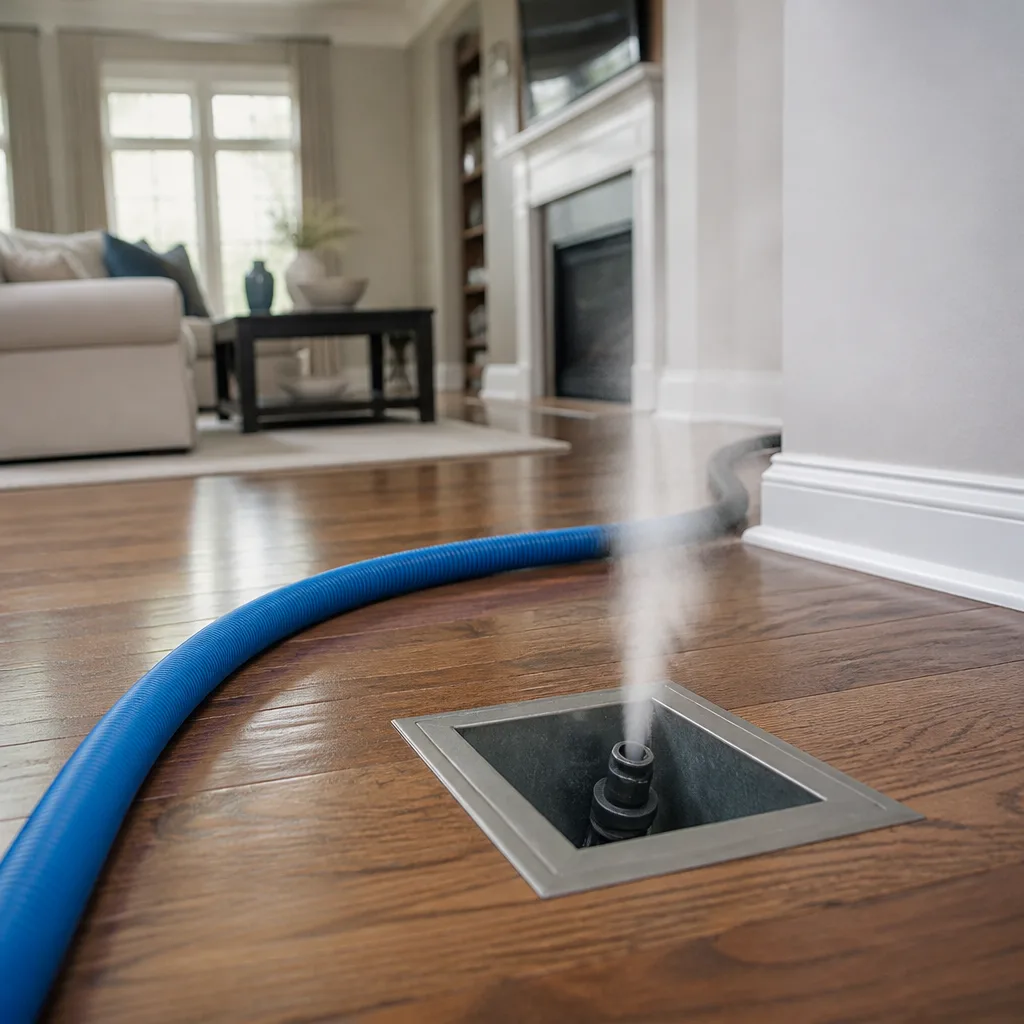 Sanitizing & deodorizing
Whole-system duct and dryer vent check with before-and-after photos - you see exactly what came out of your vents
That "$99 whole-house special" is a bait ad - the real number appears once they are in your hallway, or the "clean" is a shop-vac at the register. We photograph the inside of your ducts before and after instead.
DIY vs Professional Air Duct Cleaning: The Paterson Homeowner’s Decision Guide
Most DIY air duct cleaning advice starts with a brush and ends with a shop vac, and that’s exactly where the problem begins. A shop vac attached to a dryer vent brush, the most common homeowner setup, moves air at a small fraction of the volume a professional duct cleaning platform generates. That gap isn’t a matter of convenience or horsepower. It’s the difference between loosening dust and actually removing it. In this guide we’ll walk through the physics of source-removal cleaning, the tasks Paterson homeowners can genuinely handle themselves, the situations where a DIY attempt makes conditions worse, and a plain decision framework for your own system.
Quick Answer
DIY air duct cleaning works for light maintenance: register wiping, filter changes, and clearing lint from the dryer vent trap. It does not work for source-removal cleaning, because consumer vacuums can’t create the negative pressure that keeps dislodged debris from recirculating into your living space. If your ducts have visible buildup, musty odors, fiberglass liner damage, or disconnected sections, that’s a professional job, and often a repair job rather than a cleaning one.
Styles & brands we work with
- Whole-home duct cleaning
- Dryer vent cleaning
- Camera inspection
- Sanitizing & deodorizing
Table of Contents
- Why Negative Pressure Changes Everything
- What You Can Actually Do Yourself
- When DIY Makes Things Worse
- Rental Equipment in Passaic County: Honest Limits
- A Decision Framework for Your System
- Cleaning vs Repair: The Distinction That Matters
- What Professional Cleaning Typically Costs in Paterson
- Common Mistakes to Avoid
Why Negative Pressure Changes Everything
Duct cleaning is a containment problem before it’s a suction problem. When you agitate dust inside a duct, that dust becomes airborne, and airborne dust follows the path of least resistance. In a home with the air handler running or even just natural pressure differences between rooms, that path often leads straight back into the living space. Professional source-removal cleaning solves this by putting the entire duct system under negative pressure first, so every dislodged particle gets pulled toward the collection unit instead of into your bedrooms.
The numbers make the scale clear. A shop vac with a vent brush attachment operates in the range of roughly 100 cubic feet per minute. A truck-mounted or trailer-mounted professional vacuum runs at roughly 10,000 to 16,000 CFM. That’s two orders of magnitude, and it produces a fundamentally different physical process, not a faster version of the same one. At 100 CFM you’re stirring. At 12,000 CFM under sealed containment you’re evacuating.
The equipment we use reflects this. Rotobrush and Nikro systems are built as complete cleaning platforms with rotary agitation, HEPA filtration and sealed connections, not shop vacs with attachments. For jobs involving serious contamination, we bring Abatement Technologies equipment, which supports negative-air containment so debris stays captured through the entire process. That capability is the difference between a cleaning and a redistribution event.
Paterson’s housing stock makes this especially relevant. The city’s older multi-family and single-family homes often have duct systems that were retrofitted rather than designed, with irregular runs, mixed materials and joints that have had decades to accumulate settled debris. Agitating that debris without containment is the single most common way a homeowner turns a maintenance task into a mess.
What You Can Actually Do Yourself
Plenty of duct-related maintenance is genuinely homeowner work, and we’d rather you spend your money on the parts of the job that need professional equipment. Here’s what a careful homeowner can handle without specialized tools:
- Register and grille cleaning. Remove supply and return grilles, wash them in warm soapy water, dry them fully, and reinstall. This removes the visible dust layer that makes people think their whole system is dirty.
- Filter changes on schedule. A clogged filter restricts airflow, raises static pressure, and pushes dust past loose joints. Checking monthly and replacing when loaded is the highest-value five minutes in home HVAC care.
- Dryer vent lint trap clearing. Empty the lint screen before every load. This is fire-safety basics and costs nothing.
- Visual inspection of accessible flex duct. If you can see a section of flex duct in a basement or utility space, look for kinks, crushing, tears or disconnected collars. Note what you find; don’t try to re-tape or re-secure it yourself beyond a visual check.
- Return air path checks. Make sure furniture, rugs and storage aren’t blocking return grilles. Restricted returns pull dust from unintended places.
- Filter system optimization. If your system accepts a thicker media filter or a better-fit frame, upgrading the filter housing is a real improvement. Honeywell and Aprilaire make filtration and humidity products designed for retrofit, and matching the filter to the cabinet properly matters more than chasing the highest MERV number on the box.
What all of these have in common: they address surfaces and airflow, not the inside of the duct run. The moment the task requires reaching into the ductwork itself, you’ve crossed into professional territory, and that includes the dryer vent line beyond the lint trap. For deeper vent work, dryer vent cleaning is a fire-safety service, not a chore, and it’s worth having done properly.
When DIY Makes Things Worse
There are specific duct conditions where a homeowner with a brush and a shop vac does measurable harm. In our experience, these are the ones that turn a small maintenance job into a repair call:
- Older duct systems with settled joint seals. Decades-old duct tape and mastic on Paterson’s older homes can be brittle. Agitating the duct from inside can knock loose seals that were still holding, opening leaks that then pull attic or basement air into the supply stream.
- Fiberglass duct liner. Some duct systems have an interior fiberglass lining for sound and thermal control. Disturbing it with the wrong brush or too much agitation causes it to shed fibers into the airstream, which is worse than the dust you started with.
- Flex duct runs with kinks or crush points. A brush pushed through a crushed flex section can tear the inner liner. Once the inner liner is compromised, the duct needs replacement, not cleaning.
- Systems with known mold or moisture issues. Agitating a contaminated duct without containment spreads spores through the house. This is exactly the scenario Abatement Technologies equipment and negative-air containment are built for.
- Disconnected or leaking sections you don’t know about. If a run has come apart at a collar and you start pushing air through it, you’re blowing dust into a wall cavity. A professional inspection catches this before cleaning begins.
None of this is a reason to be afraid of your ductwork. It’s a reason to know what you’re working with before you start. A visual inspection by someone who does this daily tells you in minutes whether your system is a maintenance case or a repair case.
Rental Equipment in Passaic County: Honest Limits
You can rent duct cleaning equipment in the Paterson area, and it’s worth understanding what you’re actually renting. Most rental units fall into two categories: negative air machines with flexible hose, and rotary brush tools that attach to a shop vac or a small portable vacuum. Both have real limitations.
The negative air machines available for rent are typically in the 1,000 to 3,000 CFM range, which is a meaningful step up from a shop vac but still well below truck-mount or trailer-mount professional units. They’re also usually designed for water damage restoration, not duct cleaning specifically, which means the hose connections and filtration aren’t configured for the sealed containment a duct system needs. You can get some benefit, but you won’t get true source removal.
The rotary brush tools are the bigger problem. Without adequate vacuum behind them, they agitate more than they extract. The most common outcome of a rental-tool DIY attempt in an older Paterson home is a visible dust plume from the registers for a day or two and a system that’s no cleaner than it started. If you’re going to rent, rent the negative air machine and skip the brush, and understand that you’re doing containment-assisted surface work, not source removal.
If a rental quote and a professional quote land close together for your situation, that’s usually the sign to have the professional job done. The equipment is only part of what you’re paying for; the inspection and the diagnosis of what your system actually needs is the rest.
A Decision Framework for Your System
Rather than a generic “call a pro” answer, here’s a framework you can apply to your own house. Answer these questions honestly and the right path usually becomes obvious.
- How old is the duct system? Systems installed in the last decade or two, in homes that have been maintained, are usually maintenance cases. Original ductwork in Paterson’s older housing stock is more often a cleaning-and-inspection case, and sometimes a repair case.
- What’s the contamination type? Light household dust is a maintenance issue. Musty odors, visible mold, pest debris or heavy construction dust are remediation issues that need containment equipment.
- Is there known duct damage? Kinks, tears, disconnected collars, crushed runs or compromised liner all mean cleaning alone won’t fix the problem. The ductwork needs to be repaired first or alongside the cleaning.
- Is the goal maintenance or remediation? Maintenance is keeping a healthy system healthy. Remediation is fixing an actual problem. DIY can help with the first and cannot solve the second.
- Have you had a recent HVAC service? If your HVAC technician flagged airflow problems, high static pressure or uneven room temperatures, get the ducts inspected before you attempt any cleaning.
If your answers point mostly toward maintenance, do the DIY tasks in this guide and call a professional when the season turns or when you notice a change. If they point toward remediation or repair, that’s the moment to bring in the right equipment and the right diagnosis.
Cleaning vs Repair: The Distinction That Matters
Most of the DIY-versus-professional conversation assumes the ducts are intact and just need cleaning. In our experience, a meaningful share of Paterson homes we look at have a repair problem wearing a cleaning problem’s clothes. A disconnected supply run in a basement, a crushed flex section behind a wall, a return duct that was never sealed properly, or a run of duct liner that’s shedding fibers: none of these are solved by cleaning, and some of them are made worse by it.
This is why we treat air duct cleaning and air duct repair as separate services. Cleaning a damaged duct system leaves you with a cleaner damaged duct system. Repairing it restores the airflow the system was designed to deliver. In practice, many homes need both, in the right order.
If your system has any of the following, ask for a repair assessment before a cleaning quote:
- Temperature differences between rooms that no balancing has fixed
- Visible dust around supply registers or at duct joints
- Musty or “outside” smells at certain registers
- Whistling or reduced airflow at specific vents
- Visible sagging or crushed flex duct in accessible spaces
Once the ductwork is sound, cleaning does what it’s supposed to do. Quality starts with ductwork that actually works. A properly sealed, correctly sized system moves air the way the equipment expects, which is the foundation for any indoor air quality improvement you layer on top of it.
What Professional Cleaning Typically Costs in Paterson
Cost is where the DIY question usually gets decided, and it’s also where the industry has earned its reputation problem. A low advertised price that becomes a much larger invoice once the technician is on site is the single most common complaint we hear from Paterson homeowners. The honest answer is that whole-system cleaning has a real range, and the written estimate should set the final price before any work begins.
Typical estimated ranges for professional air duct cleaning in the Paterson area look roughly like this:
- Standard whole-home cleaning: typically $300 to $500 for a routine residential system
- Larger or heavily contaminated systems: typically $500 to $900, depending on the number of runs and the level of buildup
- Remediation-level work with containment: typically $900 to $1,500 or more, depending on scope
- Duct repair, when needed: quoted separately per the damage found
- Dryer vent cleaning: typically $120 to $200 as a standalone service
These are typical ranges, not a quote. What we do differently is simple: one flat price per system agreed before work starts, no per-vent pricing, and before-and-after photos of your own ducts so you can see the work was done. The written estimate is the final price. For a real number on your house, duct cleaning in Paterson starts with a free estimate.
Common Mistakes to Avoid
- Running a brush through flex duct with a shop vac behind it. This is the classic DIY setup and it agitates more dust than it removes. Without real negative pressure, you’re moving contamination around inside the house, not out of it.
- Assuming the registers are the system. Cleaning the grilles and calling it done leaves the entire duct run untouched. Visible dust at a register is usually a sign of what’s upstream, not the whole problem.
- Ignoring the dryer vent. The lint screen catches a fraction of what’s in the vent line. Lint accumulation in the vent run is a fire-safety issue, and it’s one of the highest-value professional services for any Paterson home.
- Chasing the lowest advertised price. A teaser number with an upsell on site is the industry’s oldest trick. Ask for a written estimate before work begins and ask what the final price covers.
- Cleaning before inspecting. If a duct run is disconnected or the liner is damaged, cleaning first can make the problem worse. Inspection should always come first.
- Treating duct cleaning as an annual subscription. Most homes don’t need it every year. Ongoing filter maintenance and grille cleaning handle the routine side; deep cleaning is for when there’s a reason.
- Using the wrong filter for the system. A filter that’s too restrictive raises static pressure and can cause the system to pull dust from unintended places. Matching the filter to your cabinet matters more than chasing the highest MERV number.
When to Call a Professional
Call a professional when any of these apply: visible dust or debris buildup inside the ducts, musty or unusual odors at the registers, a known or suspected mold problem, pest activity in the ductwork, recent major renovation work in the house, uneven airflow or temperature between rooms, or any duct damage you’ve spotted in accessible spaces. Also call if your system is old enough that it’s never been properly inspected. In our experience, the homes that benefit most from professional service are the ones where the homeowner already knows something’s off. Duct Cleaning Paterson offers free estimates in Paterson. Call (844) 967-3384 and we’ll tell you honestly whether you need cleaning, repair, or neither.
See the difference
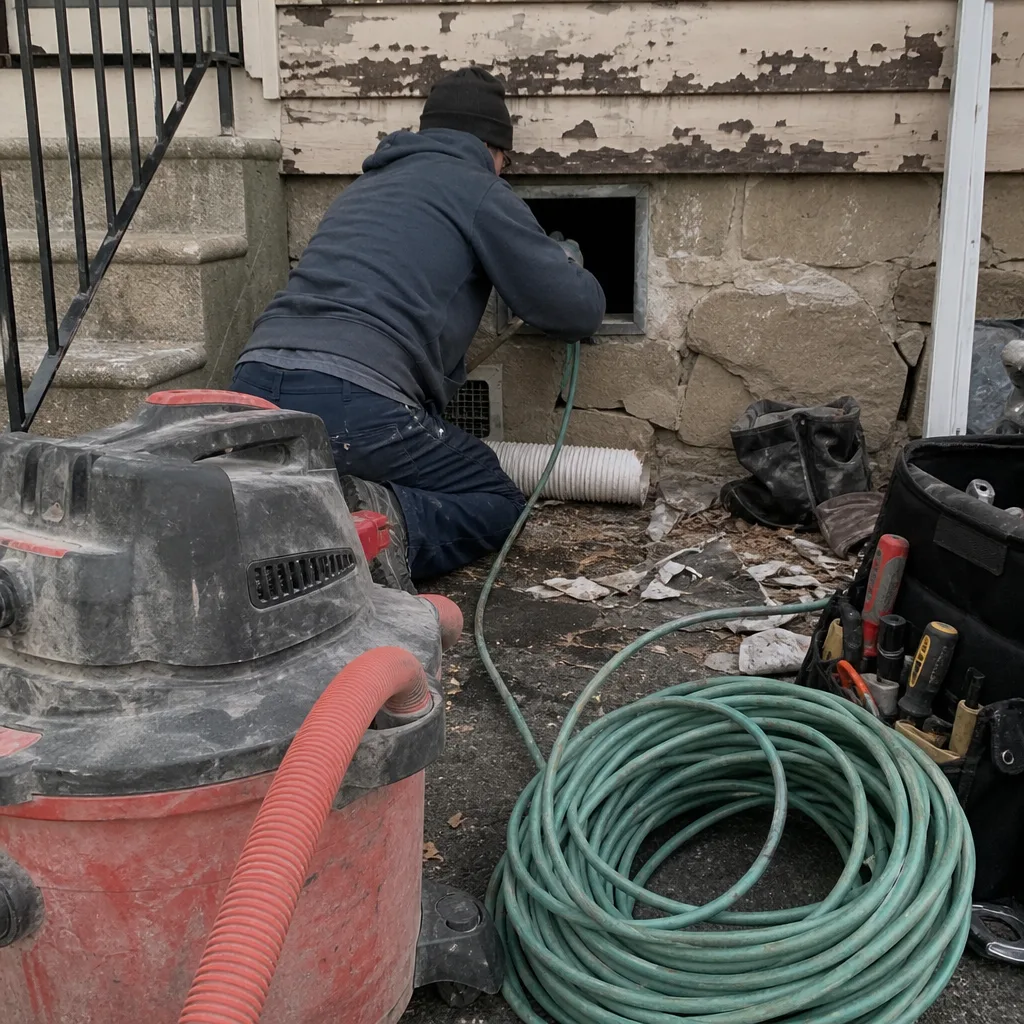 Before
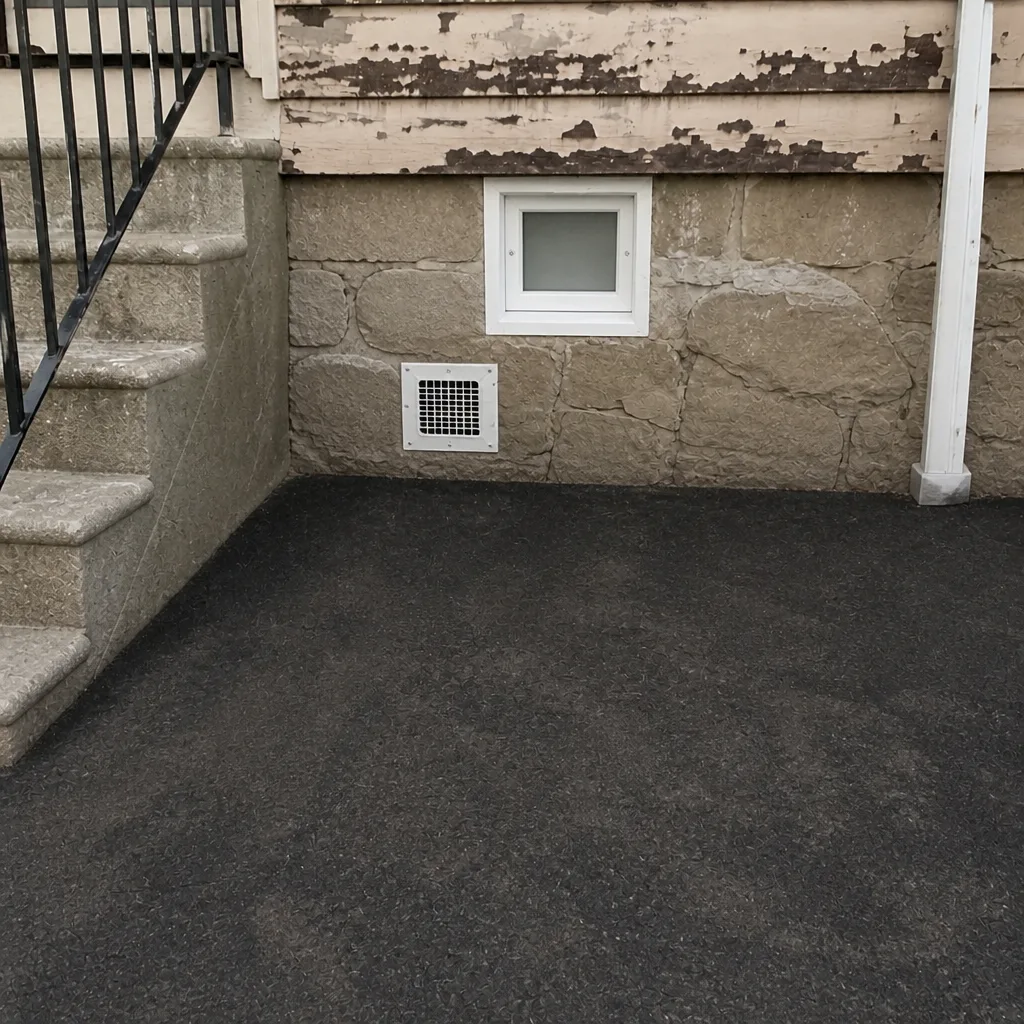 After
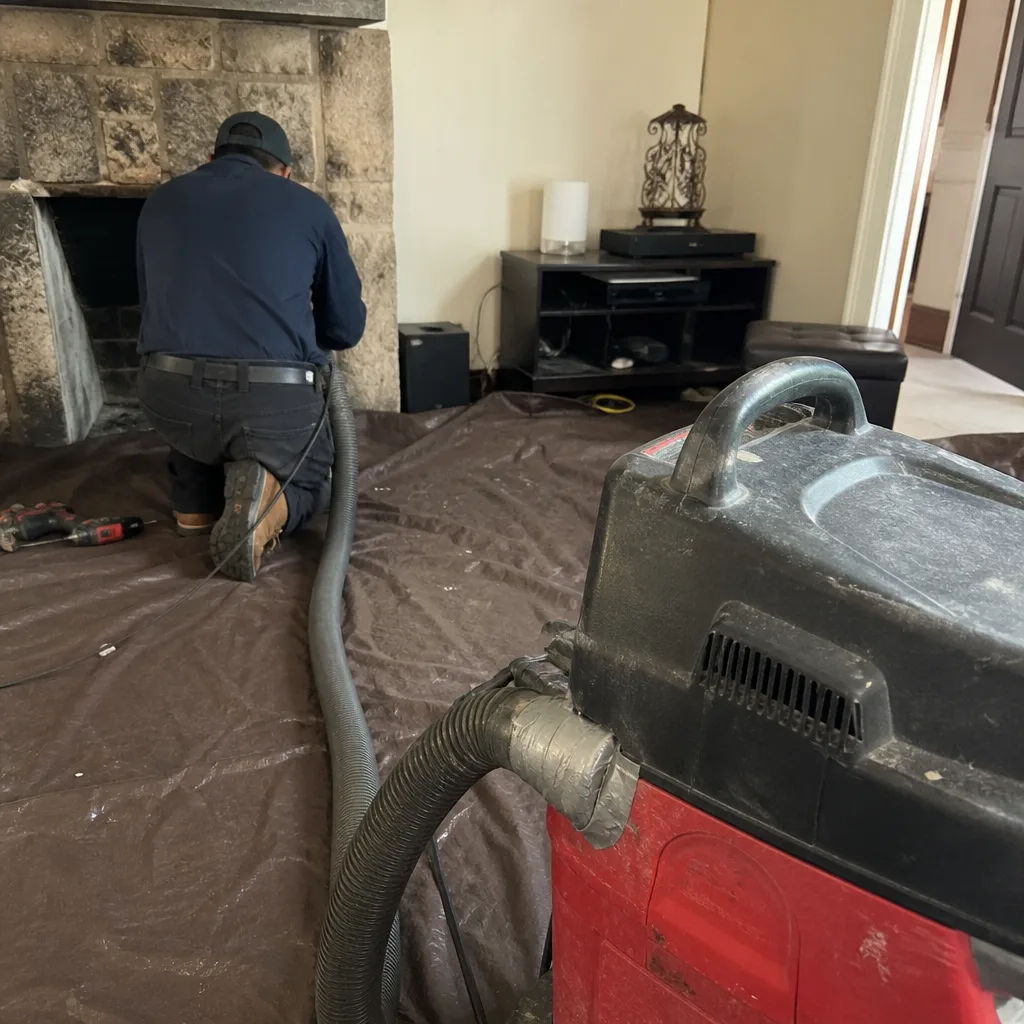 Before
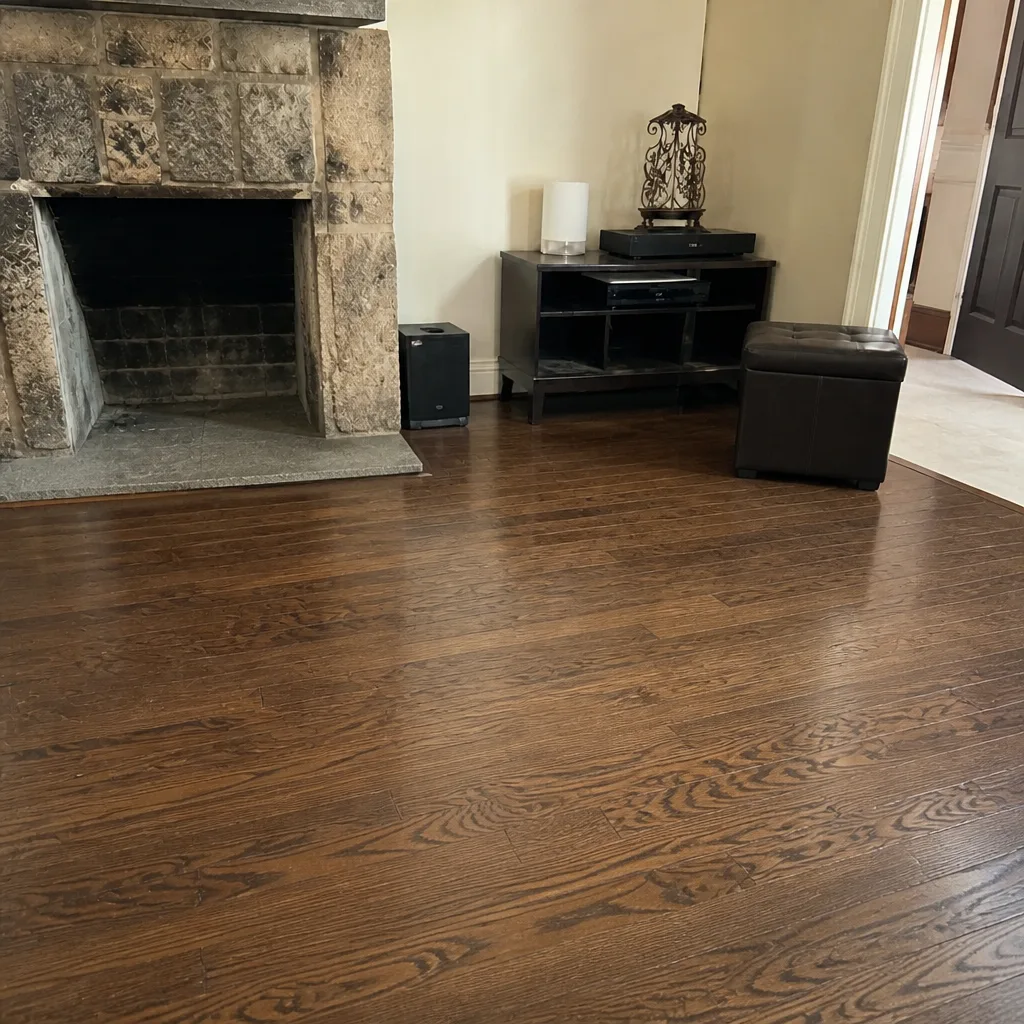 After
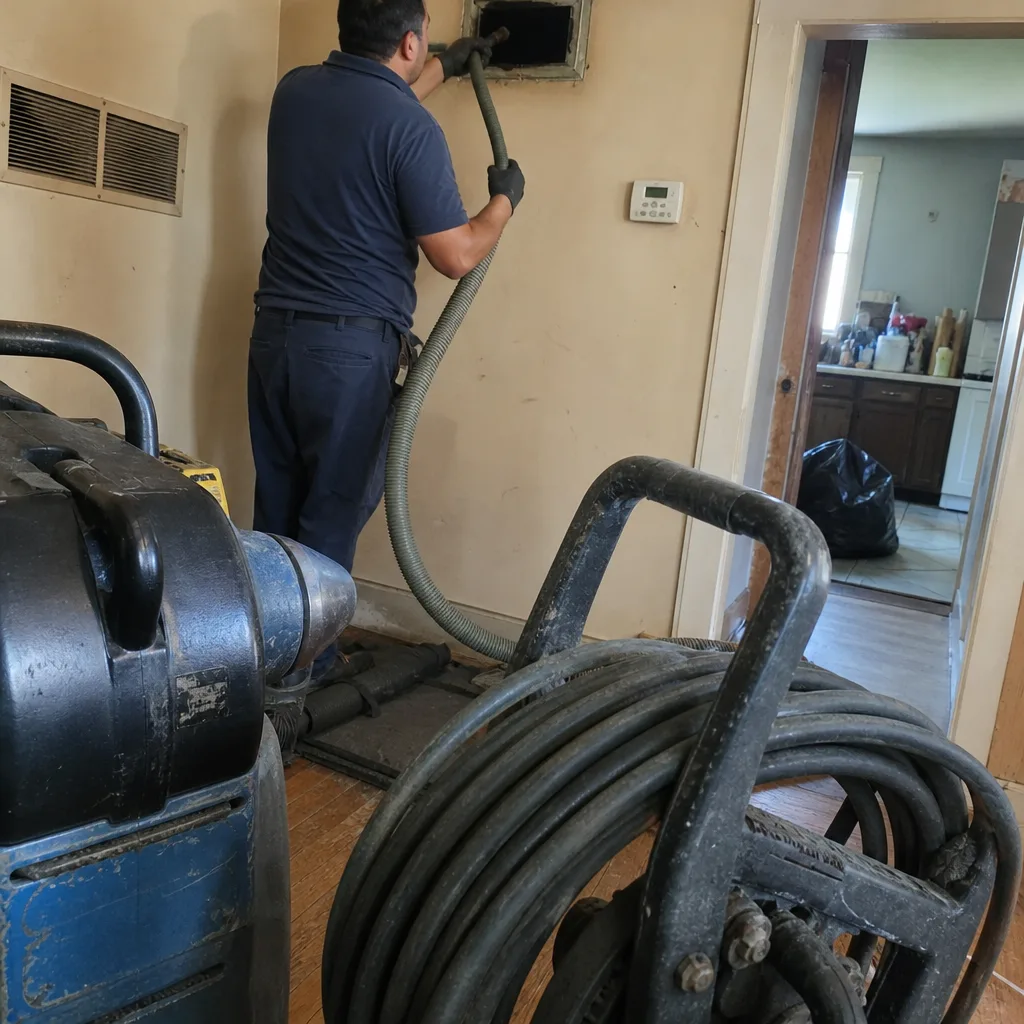 Before
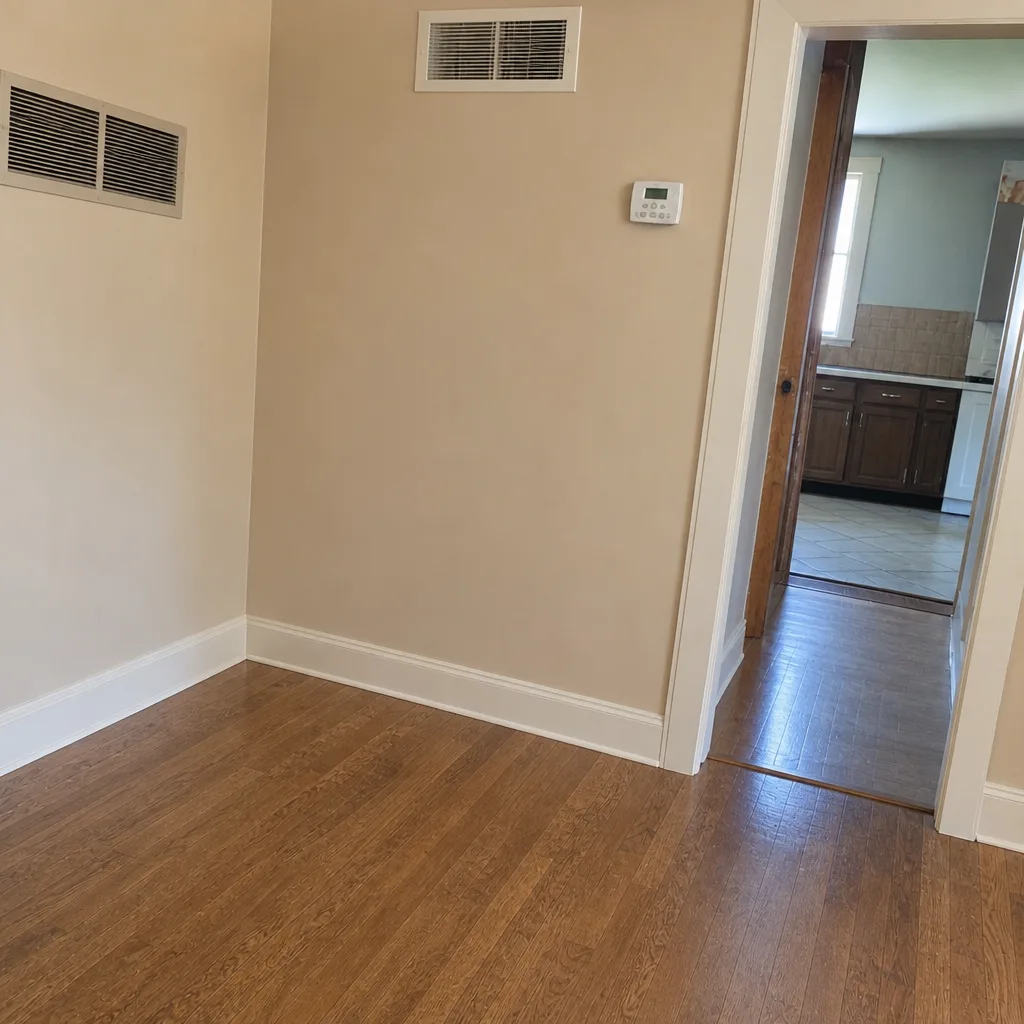 After
Frequently Asked Questions
You can handle maintenance tasks: register cleaning, filter changes, dryer lint trap clearing and visual inspection. You cannot do source-removal cleaning effectively with consumer or rental equipment, because it lacks the negative pressure and containment needed to prevent dislodged debris from recirculating. For anyone asking “how much does air duct cleaning actually cost in Paterson?” the honest answer is that a professional whole-system job typically runs $300 to $500, and it does something a shop vac can’t. Call (844) 967-3384 for an exact quote; estimates are free.
Cheap quotes usually cover a surface vacuum of easily reached areas, not whole-system source removal, and they’re often structured to be upsold on site once the technician arrives. The industry’s bait-and-switch reputation exists for a reason. Ask specifically what the price covers, whether it’s one flat price per system, and whether you’ll get before-and-after photos. If the answers are vague, that’s the warning. Call (844) 967-3384 for a straight written estimate; estimates are free.
Before-and-after photos of your own ducts are the simplest proof, and any professional should be willing to provide them. Ask to see access points and the containment setup before work starts. If a company won’t show you the work, that’s your answer. Call (844) 967-3384 and ask for before-and-after photos with your estimate; estimates are free.
Most homes don’t need it every year. Every few years is a reasonable interval for a well-maintained system, and many homes go longer. The triggers for cleaning are visible buildup, odors, renovation dust, pest activity or a repair that opens up the system, not a calendar. If you’re unsure whether it’s time, call (844) 967-3384 for a free assessment; we’ll tell you honestly if it can wait.
Yes, in specific conditions. Agitating older duct systems can loosen brittle joint seals, brushed fiberglass liner can shed fibers into the airstream, and pushing a brush through crushed flex duct can tear the inner liner. Any of these turns a maintenance task into a repair job. If your system has any of these features, have it inspected before attempting anything.
Often, yes. Duct systems in older Paterson homes were frequently retrofitted rather than designed, with mixed materials, irregular runs and joints that have had decades to settle. Those systems benefit more from a professional inspection and are more likely to need repair alongside cleaning. When in doubt, inspection first is the right move.
The Bottom Line
The DIY-versus-professional question usually comes down to one thing: whether the task is maintenance or source removal. Maintenance is filter changes, register cleaning, lint clearing and visual inspection, and DIY does it well. Source removal needs negative pressure, containment and professional-grade equipment like Rotobrush, Nikro or Abatement Technologies, and no shop vac or rental unit can substitute for it. If your duct system is damaged, lined with fiberglass that’s shedding, or carrying visible contamination, cleaning alone won’t fix it, and a repair assessment comes first. The decision framework in this guide gets you most of the way. The last step is an honest diagnosis.
Get a Free Estimate
If you’ve read this far and you’re still not sure which side of the line your home falls on, that’s the right time to ask. Duct Cleaning Paterson handles air duct cleaning, dryer vent cleaning and air duct repair as three distinct services, with professional Rotobrush, Nikro, Guardsman and Abatement Technologies equipment and the Honeywell and Aprilaire knowledge to connect cleaning to a real indoor air quality improvement. We serve homeowners across Paterson and the surrounding area. Our technicians have up to 11 years of experience, we agree one flat price per system before work starts, and we provide before-and-after photos of your own ducts. Call (844) 967-3384 for a free estimate. We answer 24/7. Fast dispatch from 7am to 7pm, Sunday through Friday.
Written by the team at Duct Cleaning Paterson.