
Last updated November 16, 2026
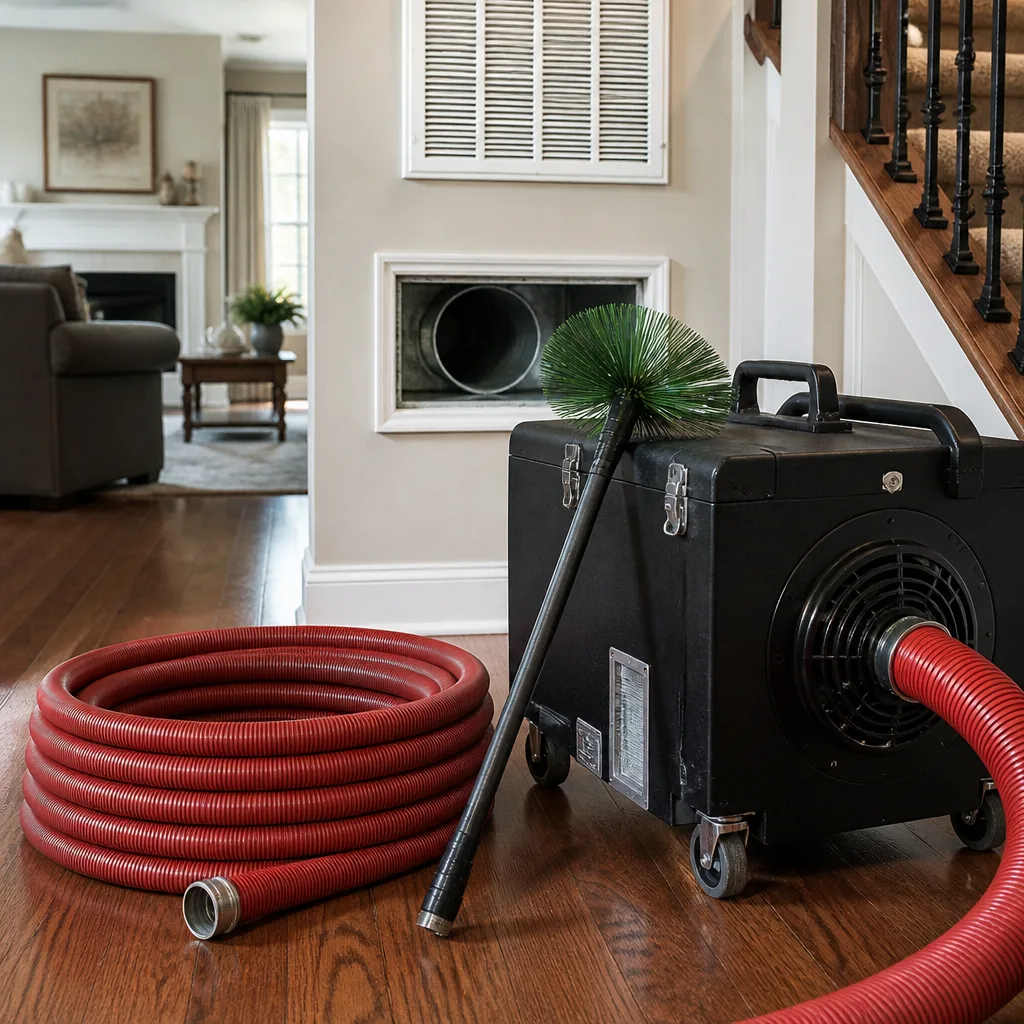 Whole-home duct cleaning
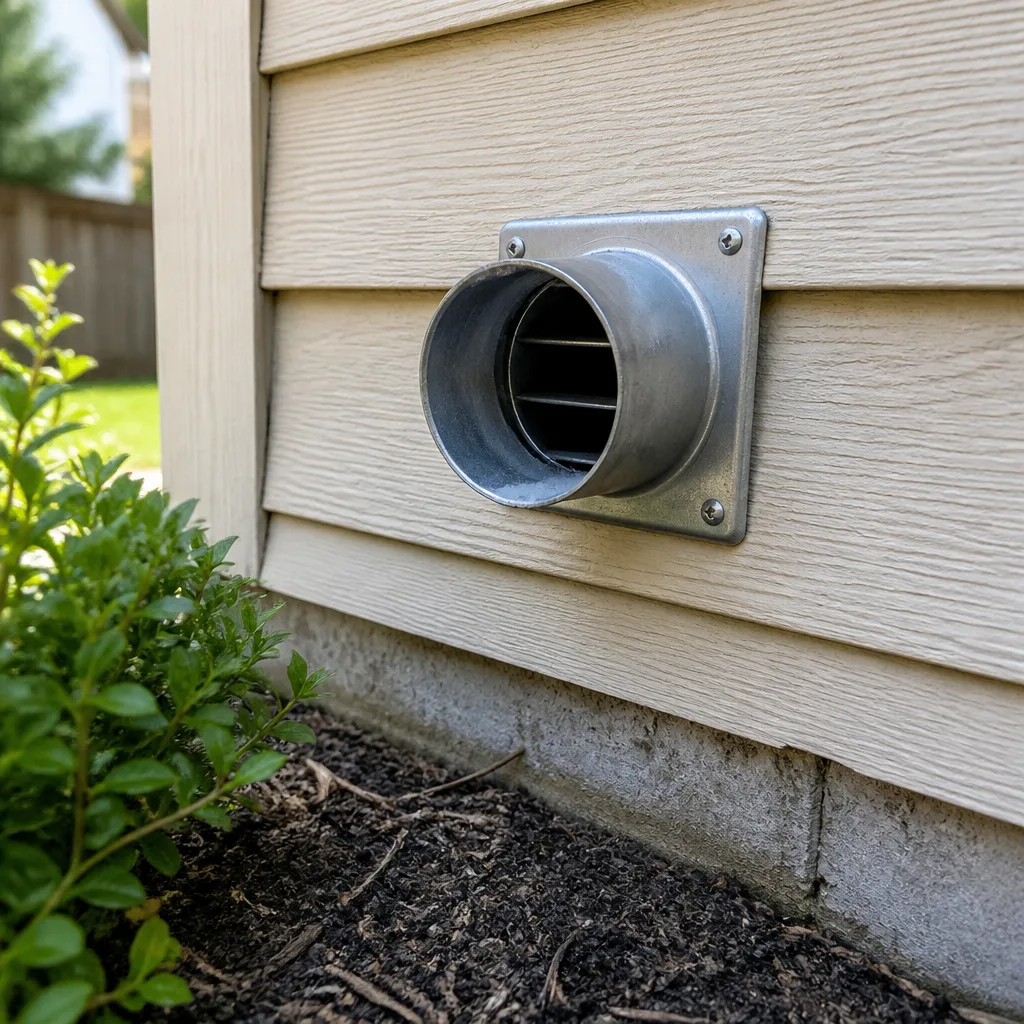 Dryer vent cleaning
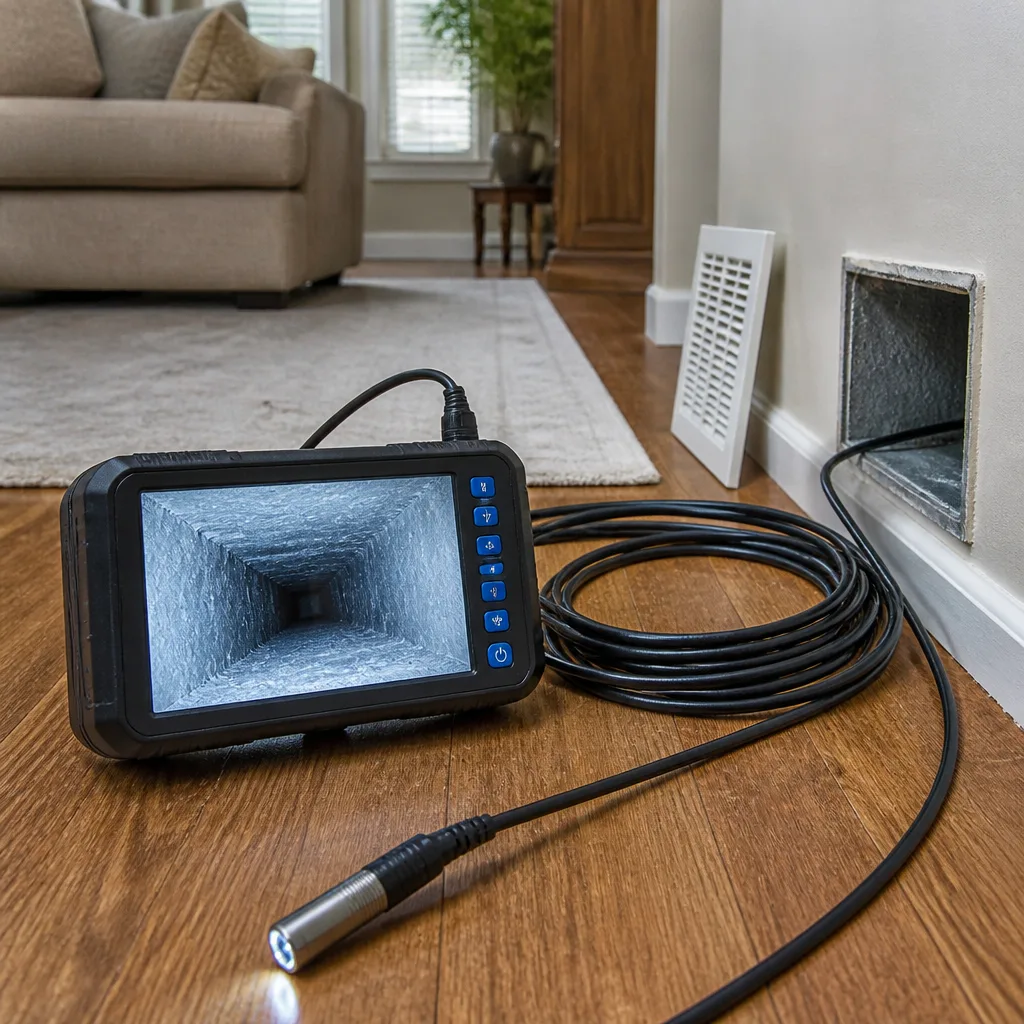 Camera inspection
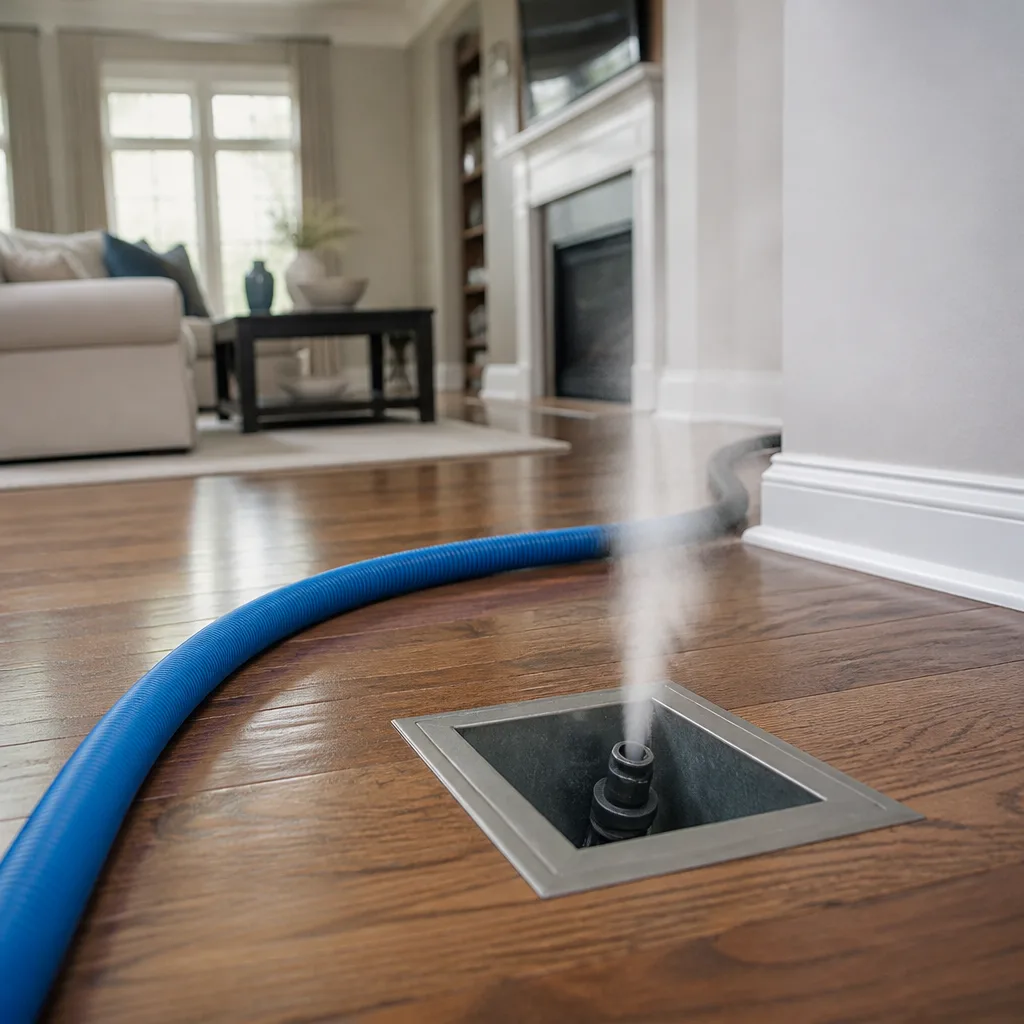 Sanitizing & deodorizing
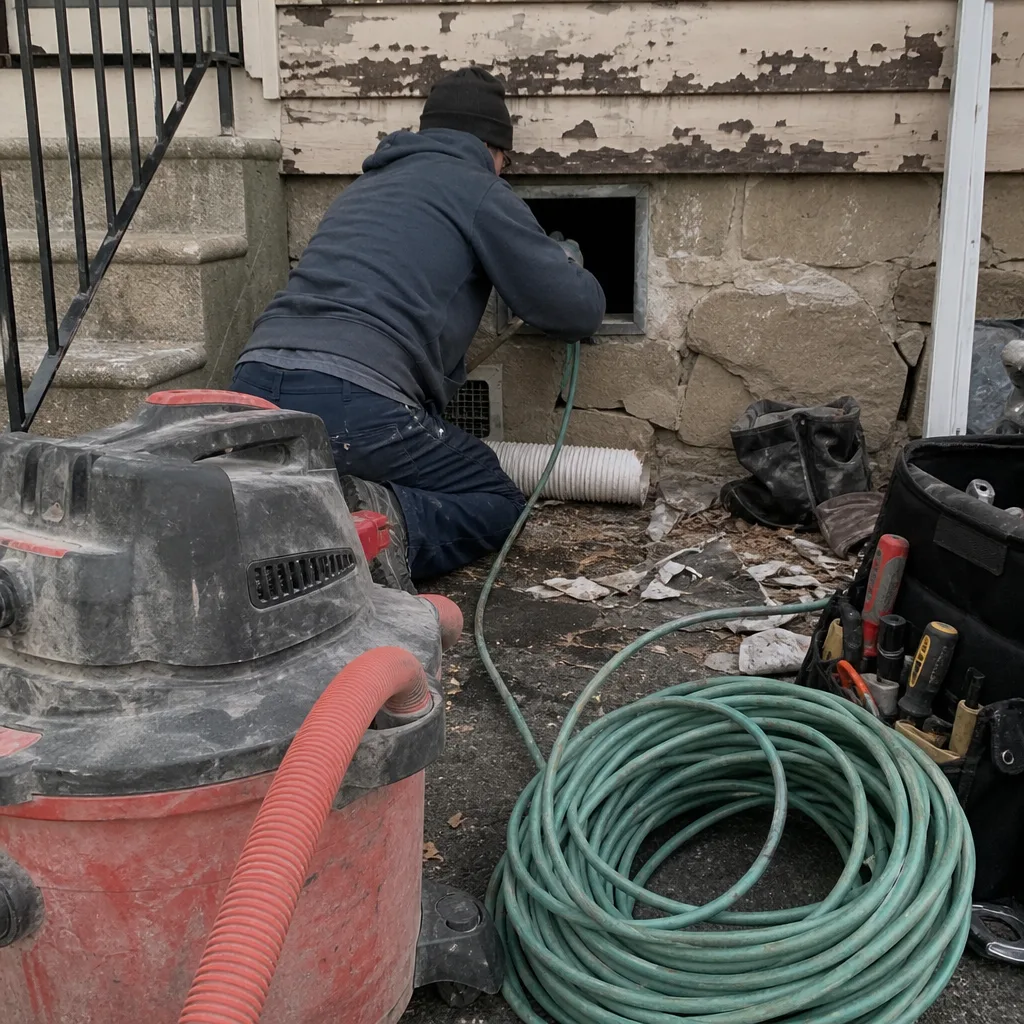
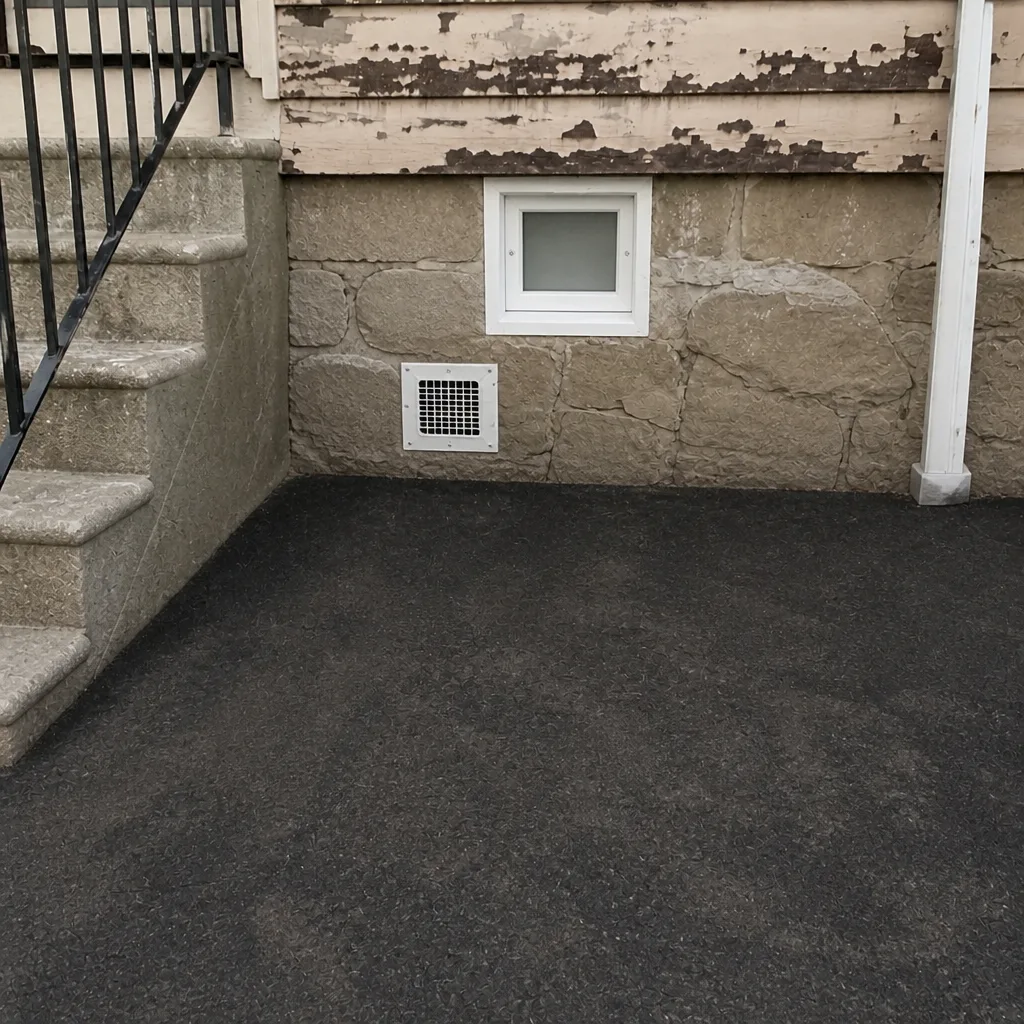
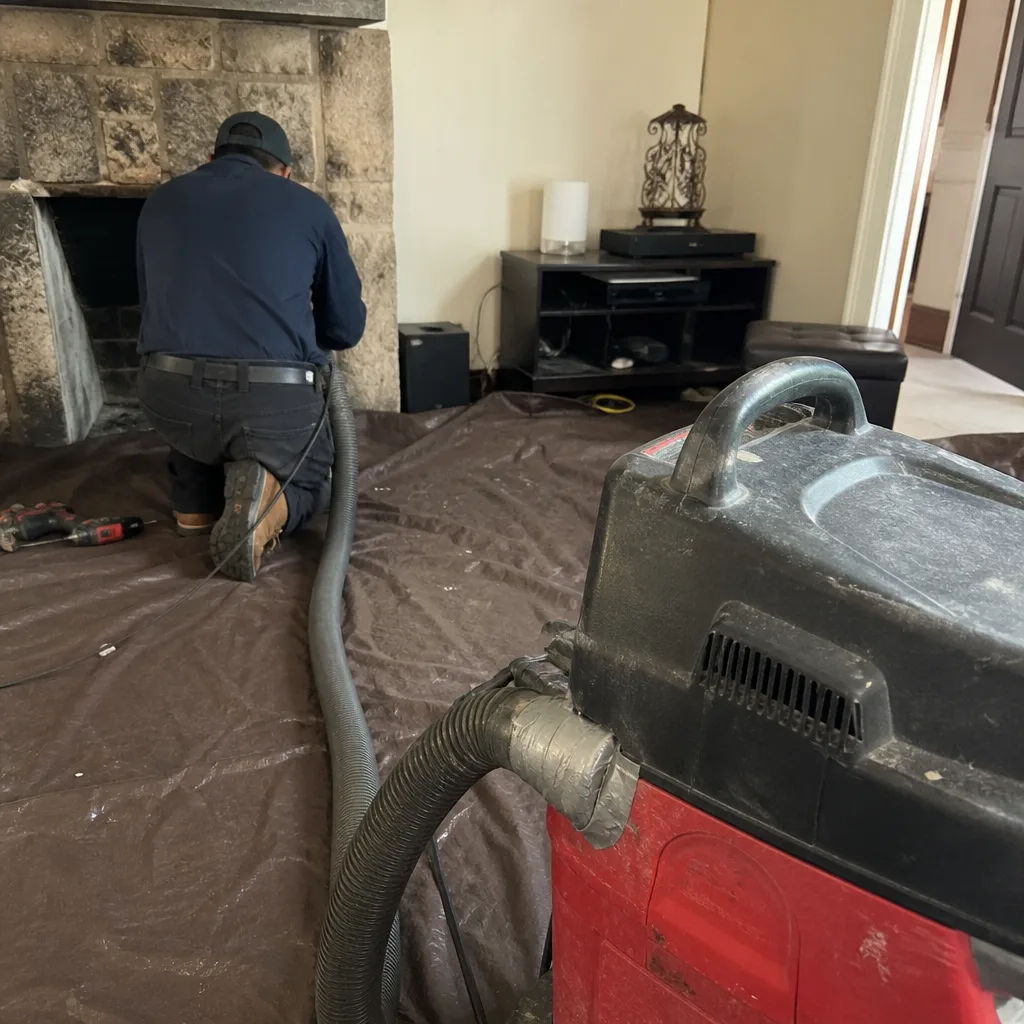
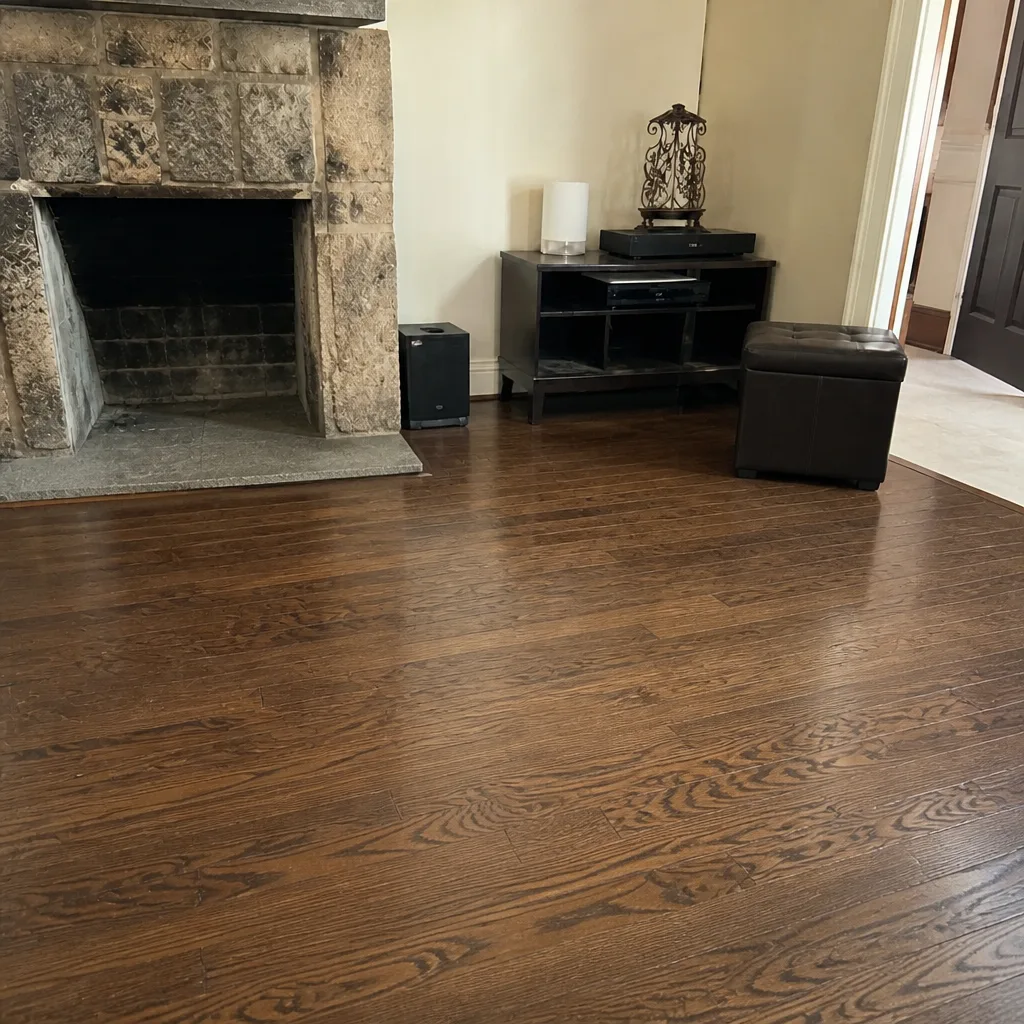
Whole-system duct and dryer vent check with before-and-after photos - you see exactly what came out of your vents
That "$99 whole-house special" is a bait ad - the real number appears once they are in your hallway, or the "clean" is a shop-vac at the register. We photograph the inside of your ducts before and after instead.
Choosing the Right Air Duct Cleaning Brand: A Buyer’s Guide for Paterson
Most homeowners in Paterson shop for duct cleaning the same way they shop for a plumber: they read reviews, compare a few quotes, and pick the friendliest number. That approach misses the thing that actually predicts how the job will go. Duct cleaning is a lightly regulated trade, and almost anyone can print a business card and rent a vacuum. What a company has actually spent money on – the collection unit, the agitation tools, the inspection cameras, the containment gear – tells you more about the work you’ll get than any star rating. In this guide, we’ll walk you through how to read a contractor’s equipment list, verify their certifications, and judge whether they can fix what they find, not just sweep past it.
Quick Answer
The right air duct cleaning company in Paterson is the one that can name its equipment brands, show you its collection and agitation systems, verify its certification, and repair damaged ductwork instead of only cleaning it. Ask what they run, ask to see it, and ask what happens if they find a disconnected or crushed duct. A company that answers all three clearly is usually the one worth hiring. Ours runs Rotobrush and Nikro systems, with Abatement Technologies equipment for contamination-level jobs, and we handle air duct cleaning alongside repair and dryer vent work.
Styles & brands we work with
- Whole-home duct cleaning
- Dryer vent cleaning
- Camera inspection
- Sanitizing & deodorizing
Table of Contents
- Why Equipment Tells You More Than Reviews
- The Three Equipment Categories to Ask About
- What NADCA Membership Actually Verifies
- Cleaning vs. Repair: Why Scope Matters
- Dryer Vent Capability as a Quality Signal
- Local vs. National Franchise Trade-offs
- Questions to Ask Before You Book
- Common Mistakes to Avoid
Why Equipment Tells You More Than Reviews
A professional duct cleaning platform is a real capital investment. A Rotobrush system, a Nikro vacuum unit, an Abatement Technologies negative-air setup – these aren’t impulse purchases, and they aren’t what you find at a hardware store. When a contractor has committed to that class of gear, it usually means they intend to do this work for a long time and to a standard that keeps them in business.
Reviews can be bought, borrowed, or simply reflect a pleasant phone manner rather than a thorough job. Equipment can’t be faked in the same way. If you ask a company what collection unit they use and the answer is vague – “a big vacuum,” “a commercial machine,” “the best on the market” – that’s a data point. It doesn’t automatically mean they’re bad, but it means the answer you need isn’t there.
In our experience across Paterson, the companies that can walk you through their setup in plain language are the same ones that show up with a process. They know why they chose a particular rotary brush, how their camera fits into a tight elbow, and where the collection hose connects without pressurizing the living space. That fluency comes from doing the work, not from a sales script.
One more thing to keep in mind here: Paterson’s housing stock spans a lot of eras, and older duct systems in the city’s multi-family and prewar homes are often narrow, oddly routed, or already partly disconnected. A contractor who owns the right agitation tools and a camera can work around that without tearing things apart. A contractor with a shop vac and good intentions can’t.
The Three Equipment Categories to Ask About
You don’t need to become an equipment expert to hire well. You need to know the three categories that matter and ask one or two questions in each. Here’s how to break it down.
1. The Collection Unit
This is the machine that pulls debris out of the system and holds it. The two things worth asking:
- Truck-mount or portable? Truck-mounted units generally have more pulling power and can run continuous suction for longer jobs. Portable units can be powerful too, and they can reach places a truck can’t, but a contractor should be able to tell you which they use and why.
- What’s the CFM rating? CFM means cubic feet per minute – the airflow the unit can move. A contractor who knows their number is a contractor who thinks about the machine’s actual capability, not just its presence.
2. The Agitation Tools
Suction alone doesn’t lift dust that’s settled into duct walls. Agitation tools loosen it first. Ask which rotary brush system they use and whether they also carry an air whip or compressed-air tool for sections a brush can’t reach. Rotobrush systems are a common professional choice here, and a company that can explain the brush heads and how they change for different duct materials is telling you something useful.
3. The Inspection Tools
Ask whether they use a camera system to look inside the ducts before and after. A camera lets the technician see buildup, blockages, moisture, and damage they’d otherwise guess at. It also gives you before-and-after visual proof of the job. If a company can’t or won’t show you the inside of your own ducts, that’s a red flag worth weighing.
Naming specific brands is the fastest shortcut. Aprilaire and Abatement Technologies come up in serious indoor air quality and remediation conversations, and a contractor who knows the ecosystem will usually have opinions about which fit which job. For broader context on how we approach this work across the city, see our main Duct Cleaning Paterson page.
What NADCA Membership Actually Verifies
NADCA stands for the National Air Duct Cleaners Association. Membership and certification with NADCA mean a contractor has committed to a recognized industry standard and, for the certified individual, has passed an exam and agreed to follow the association’s code of ethics. It’s not a government license; it’s a professional credential, and in a trade with few formal licensing requirements, it’s a meaningful marker.
Here’s the practical move: don’t take a company’s word for it. Ask directly, then verify.
- Ask if the company is a NADCA member and whether individual technicians hold certified credentials. Note that membership applies to the company and certification applies to people – they’re different.
- Visit nadca.com and use the member lookup tool. Search the company name and your city. If they claim membership and they’re not on the list, that’s a serious honesty problem.
- Ask who will actually be on site. A company can be a member while the technician at your door is new. There’s nothing wrong with a newer technician, but a company should be able to tell you who’s coming and what training they’ve had.
- Look for the code of ethics on their site or ask for it in writing. Whether they’ll produce it is a small test of how seriously they take the standard.
You can also ask about the ACR standard, the assessment, cleaning, and restoration process NADCA publishes. A company that can reference it in plain terms understands the work as a defined process rather than a sales visit.
Cleaning vs. Repair: Why Scope Matters
Cleaning removes what’s in the system. Repair fixes what’s wrong with the system. Those are different skills, different tools, and different outcomes for your home, and most companies only offer the first. This matters in Paterson, where a lot of duct systems have been modified, extended, or patched over the decades and where a cleaning visit often turns up a real problem.
Ask a company whether they offer duct repair and sealing as a service, or whether they’d hand that off to someone else. A contractor who can repair what they find is structurally different from one who can only clean. Here’s why:
- They can fix what they uncover. A disconnected run, a crushed flex section, a leaking joint at a trunk – cleaning won’t solve it. The technician who finds it can repair it in the same visit rather than leaving you to call a second contractor.
- They plan around it. A company that does repair understands what cleaning pressure might do to a compromised section and can adjust the process so nothing is damaged further.
- They measure the result. A repair-capable contractor thinks about airflow, not just debris. They want the system to actually work when they leave.
We offer duct repair as a standalone service alongside air duct cleaning for exactly this reason. Cleaning alone doesn’t fix a duct run that’s come apart in the attic. It doesn’t help you if a section is leaking into a wall cavity. If you’re calling a duct cleaner because your allergies are worse or your energy bills are climbing, the issue may be a duct problem, not a dirt problem.
Ask the question plainly: “If you find a damaged or disconnected duct, what happens?” The answer tells you a lot about how far the company’s capability reaches.
Dryer Vent Capability as a Quality Signal
Dryer vent cleaning is a different job with a different risk profile. It’s about fire prevention first. Lint that accumulates in a dryer vent restricts airflow, overheats the appliance, and creates a genuine fire hazard. Cleaning it properly requires the right rotary system, correct handling of the vent run, and verification of airflow at the exterior termination.
Why should this matter when you’re hiring for duct cleaning? Because a company equipped to do dryer vent work properly tends to be more process-oriented across the board. Dryer vent work demands attention to exterior termination points, the ability to confirm airflow, and often a camera to look where the eye can’t. Companies that invest in that gear tend to invest in their duct cleaning gear too. Companies that skip it are often the ones that treat duct cleaning as a single-tool service.
When you ask about capabilities, ask all three: dry cleaning, vent cleaning, and repair. A company that offers all of them is telling you they’ve built for the full job. Our dedicated dryer vent cleaning is offered for that reason – it’s a fire prevention service, not an add-on that gets mentioned at checkout.
The practical takeaway for a Paterson homeowner: ask the company what they do about the exterior vent flap and whether they use a camera at the termination. It’s a small question with real diagnostic value.
Local vs. National Franchise Trade-offs
Paterson homeowners typically have both options: a locally-run operation or a national franchise brand. Each has a different set of trade-offs, and neither is automatically the right choice.
What a Franchise Gets You
- Brand consistency. A national name usually means standard procedures, standard uniforms, standard pricing structure across locations.
- Corporate backing. If something goes wrong, there’s a corporate layer above the local franchisee.
- Recognizable name. Some people value that for peace of mind.
What a Local Operator Gets You
- Accountability in one place. The owner-operator is usually the one who shows up or sends the crew. There’s no corporate escalation chain.
- Flexibility. A local operator can adjust the approach for a specific house in a specific part of Paterson, whether that’s a tight three-family unit or a postwar single with an extended system.
- Local reputation on the line. When your only market is a few neighborhoods, you don’t want a bad job following you around.
Regardless of which type you choose, verify the individual technician. Ask what training and certifications the person at your door holds. A franchise can hire a brand-new tech just as easily as a local operator can. The credential that matters is the one on the person doing the work, not the logo on the truck.
You can also ask how the company handles service in this area if they’re a franchise – whether the techs are local to Paterson and the surrounding neighborhoods or traveling in from elsewhere. Local knowledge of the housing stock usually helps.
Questions to Ask Before You Book
Here’s a short checklist that separates the prepared companies from the ones that don’t want to answer. Ask these before you agree to a visit.
- “What collection unit do you use, and what’s your CFM rating?” A prepared company answers in seconds. A vague answer is a data point.
- “What agitation tools do you carry?” Rotary brush brand, air whip, and the types of duct material they handle.
- “Do you use a camera to inspect before and after?” And will you show me the footage?
- “Are you a NADCA member, and are your technicians certified?” Cross-reference at nadca.com.
- “Do you offer duct repair, or only cleaning?” And if I have a disconnected run, who fixes it?
- “What does a full-system job cover, and what’s included in the price?” Request a written estimate. A flat price per system beats a per-vent quote.
- “What does the process look like from arrival to cleanup?” You’re listening for a defined sequence, not a pitch.
- “Can I see before-and-after photos of my own ducts when you’re done?” This is the most direct proof the work actually happened.
Most of these are answered in under five minutes by a company that knows its equipment. If you’re getting deflections on half of them, that’s your answer.
For a fuller checklist, our main page covers how we handle estimates and what a typical visit includes.
Common Mistakes to Avoid
- Choosing on price alone. A very low quote usually reflects very little equipment, very little time, or both. The cheapest quote is often a sign you’re going to get a surface pass, not a real cleaning.
- Not asking what equipment is used. Reviews tell you the company’s reputation, not the machines they bring. Ask the equipment question directly, and listen for a specific answer.
- Booking with a company that can’t repair. If you have older ductwork in Paterson – and many homes do – a cleaner who can’t repair what they find may leave the actual problem in place.
- Skipping the NADCA check. If a contractor claims membership, look them up at nadca.com before you book. It’s a two-minute check that catches a surprising number of errors.
- Skipping before-and-after photos. If the company doesn’t offer a visual record of your own ducts, you can’t confirm what was done. Ask for it.
- Assuming a franchise means certified technicians. The brand doesn’t certify – individual techs do. Ask what the person coming to your home actually holds.
- Treating dryer vent cleaning as optional. A clogged dryer vent is a fire risk regardless of what kind of house you live in. If a company doesn’t offer it as a real service, that’s a sign they’re not set up for the full job.
See the difference
 Before
 After
 Before
 After
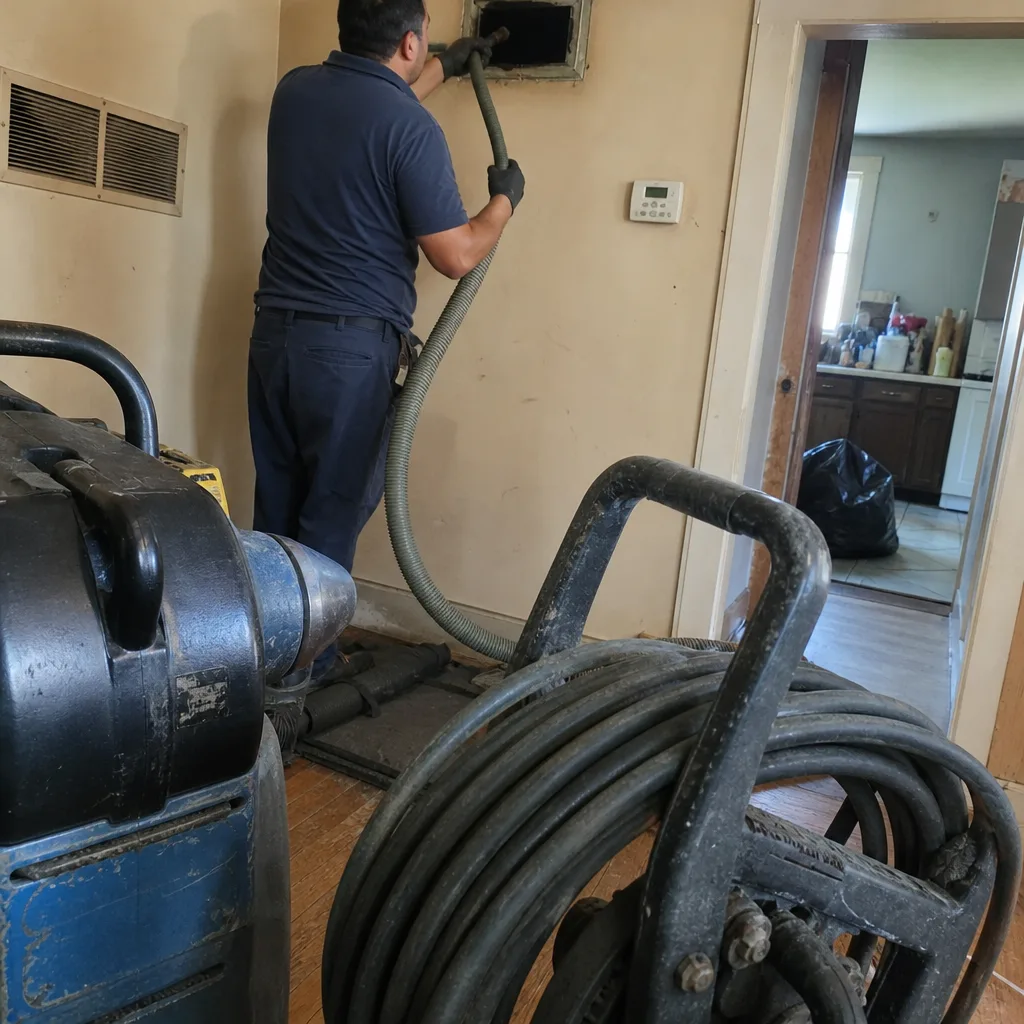 Before
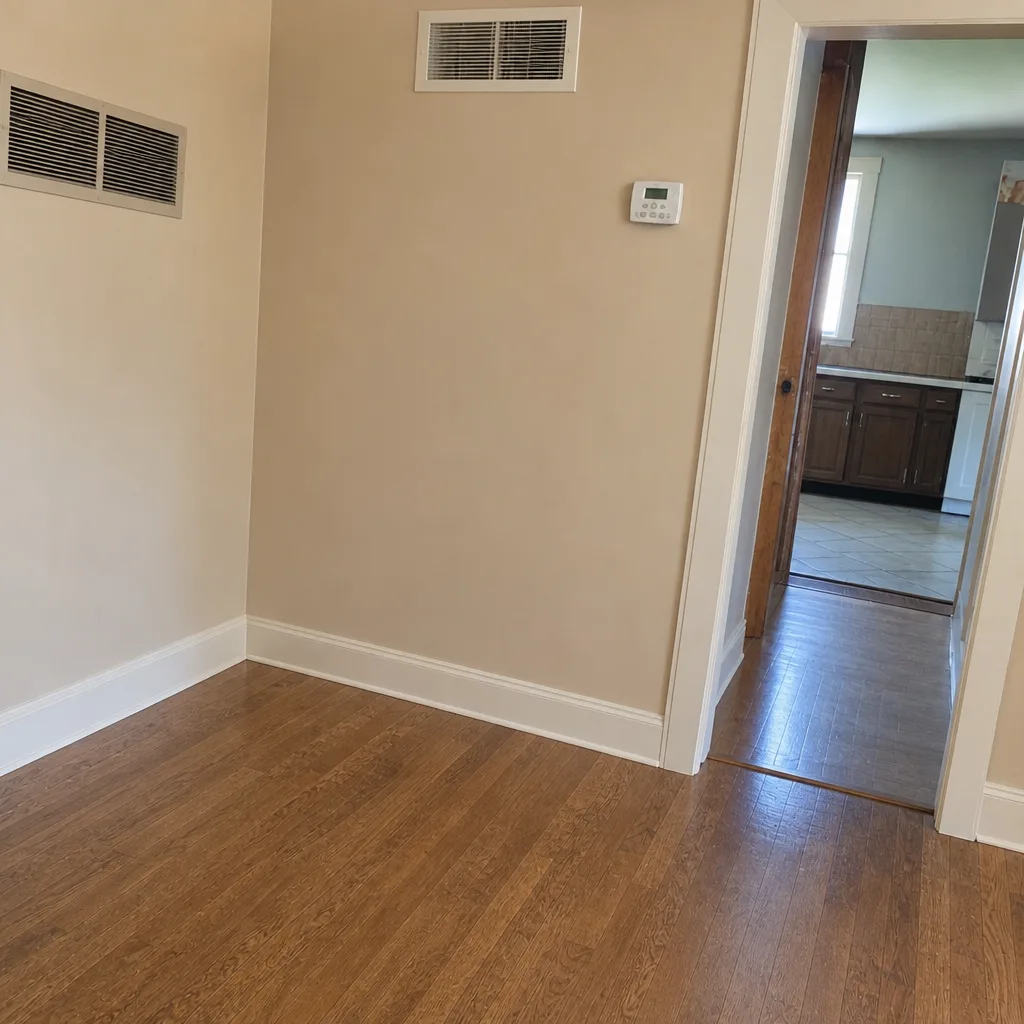 After
When to Call a Professional
Duct cleaning is a scheduled service, not an emergency. But there are specific signs that call for a trained technician rather than a wait-and-see approach. If you’re seeing visible dust streaming from a supply register when the system runs, or if musty odors appear when the heat or AC comes on, the cause is usually inside the system and worth diagnosing. If someone in your home has developed new allergy symptoms that seem worse indoors, that’s another reason to get the system looked at. And if your ductwork is older – common in Paterson’s prewar and postwar housing – a camera inspection can catch a disconnected or crushed run before it costs you on energy bills. Duct Cleaning Paterson offers free estimates in Paterson – call (844) 967-3384. We answer 24/7. Fast dispatch from 7am to 7pm, Sunday through Friday.
Frequently Asked Questions
Expect a full-system estimate rather than a per-vent quote. Whole-system prices in the Paterson area typically fall in a mid-hundreds range for a standard single-family home and higher for larger or multi-zone systems, with the written estimate setting the final price. The important thing is the shape of the quote: a flat price per system agreed before work starts is the right structure; a per-vent price that balloons on site isn’t. Call (844) 967-3384 for an exact quote – estimates are free.
Usually because less equipment is involved. A very low quote often means a smaller vacuum, less agitation time, no camera inspection, and a quick surface pass. In a trade with minimal licensing requirements, price is often a proxy for how much machine is behind it. Ask what unit they use and whether they use a camera; the answers usually explain the price gap. Call (844) 967-3384 for an exact quote – estimates are free.
Ask for before-and-after photos of your own ducts. A camera inspection before and after gives you a visual record you can compare. A company that can’t or won’t provide that can’t prove the work happened. Call (844) 967-3384 for an exact quote – estimates are free.
There’s no universal schedule. Homes with pets, recent renovation, or older duct systems often need it sooner than homes without. The reliable rule is to have it inspected when symptoms appear – odors, visible dust from registers, allergy patterns – or when you move into a home and don’t know the system’s history. Call (844) 967-3384 for an exact quote – estimates are free.
Cleaning removes debris from inside the system. Repair addresses physical problems – disconnected runs, crushed flex sections, leaking joints – that cleaning can’t fix. A contractor who offers both can diagnose and resolve a wider range of problems in a single visit, which matters in Paterson’s older housing stock where ductwork has often been modified over the years. Call (844) 967-3384 for an exact quote – estimates are free.
Yes. Go to nadca.com and search the company name in the member lookup tool. It’s a two-minute check. If a company claims membership and isn’t listed, that’s worth knowing before you book. Ask too whether they carry the ACR standard and whether the individual technicians are certified, since membership and certification are different things. Call (844) 967-3384 for an exact quote – estimates are free.
The Bottom Line
The most reliable way to choose a duct cleaning company is to look at the equipment behind the marketing. Ask what collection unit they use, what agitation tools they carry, whether they use a camera, and whether they can repair what they find. Verify certification independently. And get a flat price per system agreed in writing before anyone arrives. In Paterson, where the housing stock spans several eras and older ductwork is common, a contractor who can repair what they discover is worth more than one who only vacuums. We run Rotobrush and Nikro systems, keep Abatement Technologies equipment for contamination-level work, and handle all three services – cleaning, repair, and dryer vent safety – with free estimates for Duct Cleaning Paterson customers. Call (844) 967-3384 to book yours. We answer 24/7. Fast dispatch from 7am to 7pm, Sunday through Friday.
Written by the team at Duct Cleaning Paterson.