
Last updated November 16, 2026
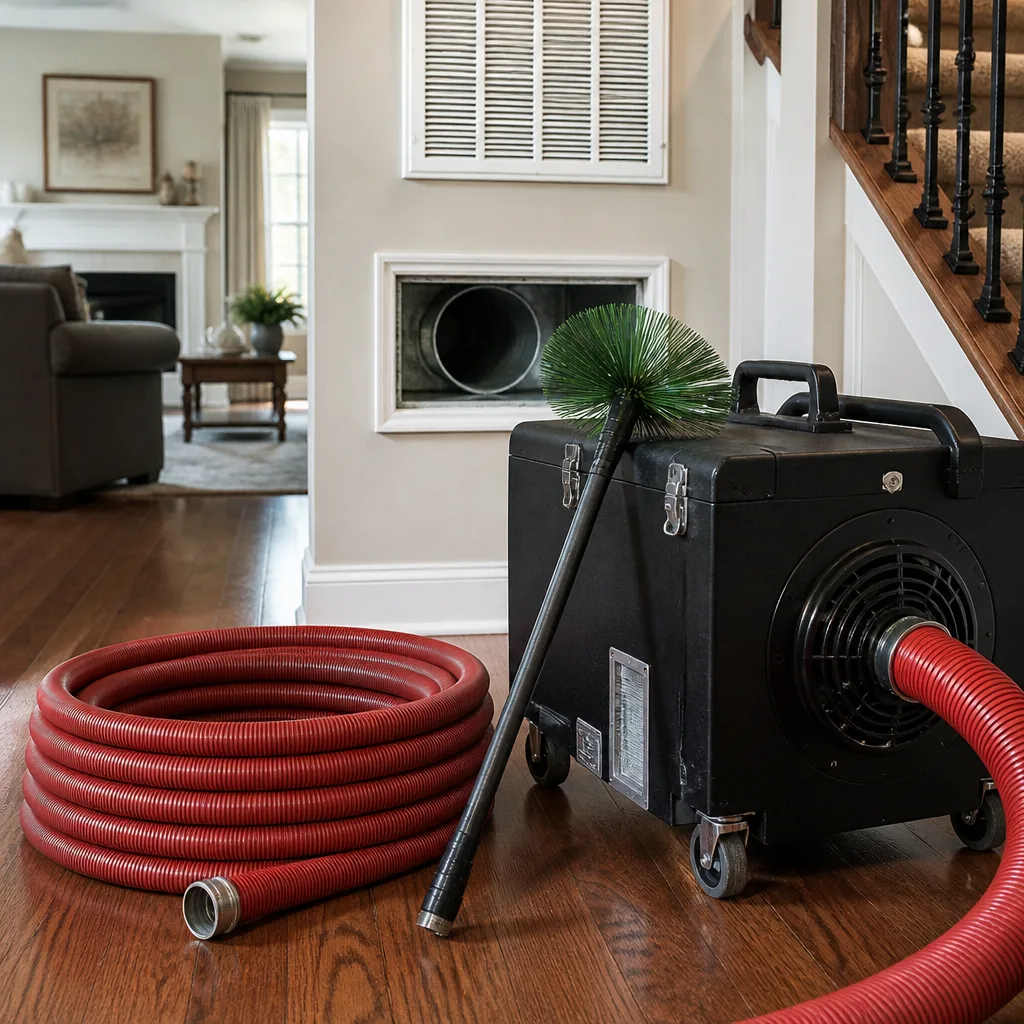 Whole-home duct cleaning
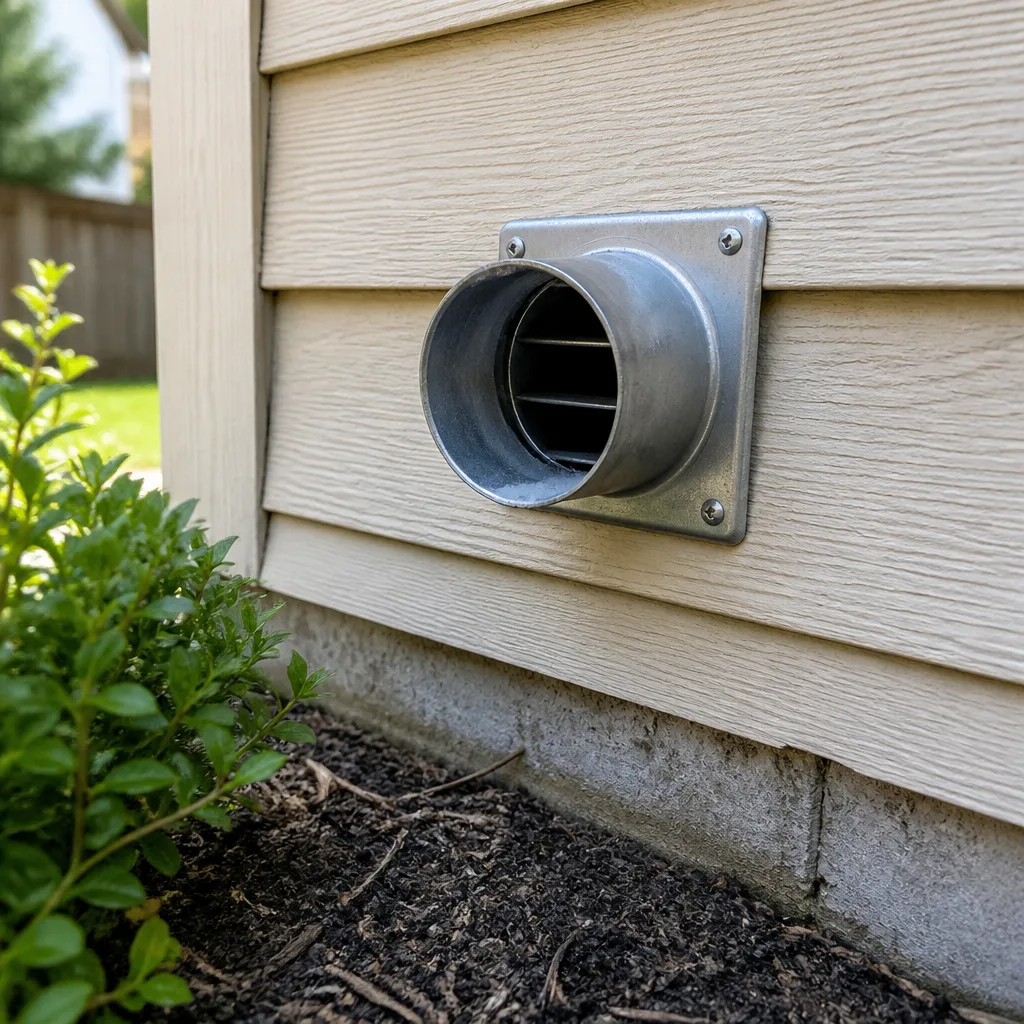 Dryer vent cleaning
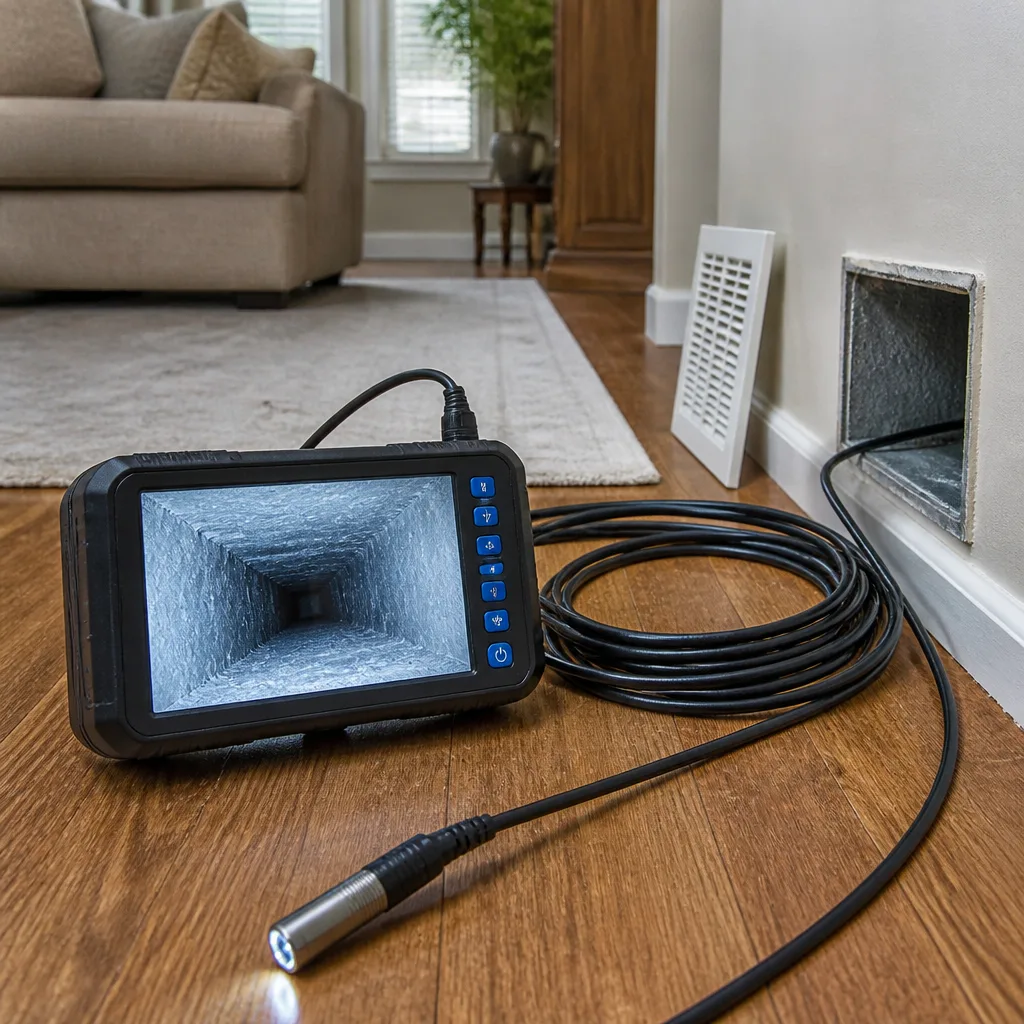 Camera inspection
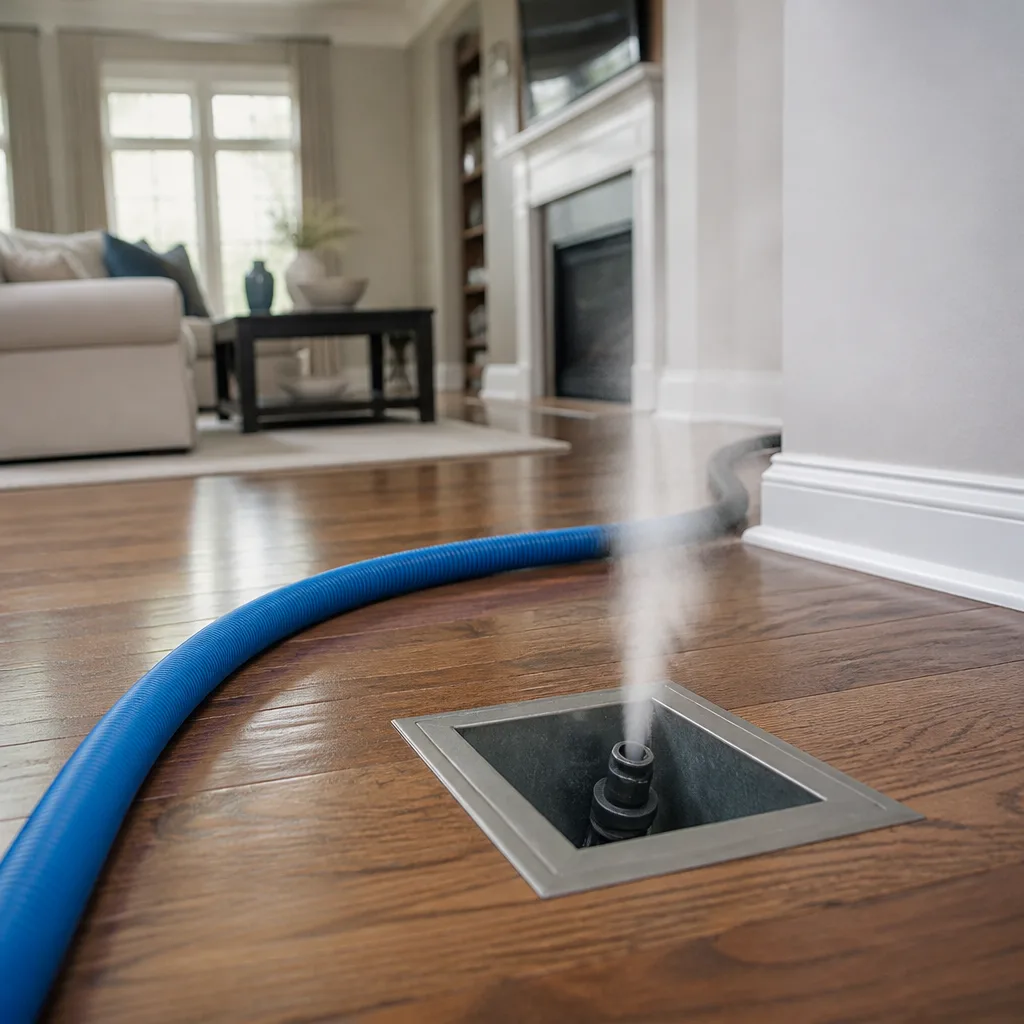 Sanitizing & deodorizing
Whole-system duct and dryer vent check with before-and-after photos - you see exactly what came out of your vents
That "$99 whole-house special" is a bait ad - the real number appears once they are in your hallway, or the "clean" is a shop-vac at the register. We photograph the inside of your ducts before and after instead.
Air Duct Cleaning Maintenance Schedule: What to Do and When
Most air duct cleaning advice boils down to one number: every three to five years. It’s easy to remember, and it’s the same number whether your home runs on a gas furnace, an oil boiler, or a heat pump. That’s the problem. A home in Paterson heated by oil-fired equipment loads its ducts with soot particulate at a noticeably faster rate than a gas or heat-pump home, yet the generic calendar ignores fuel type entirely. This guide replaces the one-size-fits-all schedule with one built around your system, your filters, and how your home actually lives. You’ll learn realistic intervals for four system types, how to read your filter as an early warning, when to add dryer vent checks, and how to keep a simple log that makes every future cleaning conversation useful.
Quick Answer
Most homes need professional air duct cleaning every 3 to 7 years, and the right interval depends on your heating fuel and duct construction rather than a fixed date on the calendar. Oil-heat homes in older Paterson buildings generally sit at the shorter end of that range, gas forced-air and heat-pump homes at the longer end. Dryer vents should be inspected separately, typically every year to two years depending on household size. Filters should be checked monthly and logged so you can see when the system is loading faster than normal.
Key Takeaways
- A single 3-to-5-year rule is a blunt instrument. Fuel type, duct material, and household dust load all shift the interval.
- Oil-heat systems accumulate soot particulate faster than gas or heat-pump systems and usually need cleaning sooner.
- Dryer vent inspection belongs on its own line of the schedule, not folded into duct cleaning.
- Filter condition every 90 days is your best leading indicator of duct health.
- Post-renovation cleaning is a mandatory reset, not an optional extra.
- A simple written log of dates, filter ratings, and debris type saves guesswork later.
Styles & brands we work with
- Whole-home duct cleaning
- Dryer vent cleaning
- Camera inspection
- Sanitizing & deodorizing
Table of Contents
- Why the Generic 3-to-5-Year Rule Falls Short
- Cleaning Intervals by Heating System Type
- Using Filter Condition as a Leading Indicator
- Dryer Vent Inspection: A Separate Line on Your Schedule
- Post-Renovation Cleaning: The Mandatory Reset
- Building a Duct Maintenance Log That Actually Helps
- How Paterson Building Stock and Climate Shape the Schedule
- Common Mistakes to Avoid
- When to Call a Professional
Why the Generic 3-to-5-Year Rule Falls Short
The three-to-five-year figure is a reasonable middle. It’s also a number that ignores nearly everything that actually determines how fast ducts load up. Two houses on the same block in Paterson can need very different schedules. One might be a gas forced-air home with sealed, well-maintained metal ductwork and a family of two. The other might be a century-old building with oil heat, fiberglass duct board, and a household of five. Handing both the same calendar is guesswork dressed up as expertise.
What actually drives the interval comes down to four variables:
- Fuel type. Oil-fired equipment, especially older units, can shed soot particulate that settles in the duct run. Gas forced-air and heat-pump systems produce far less of this.
- Duct construction. Sheet metal, fiberglass duct board, and flex duct all collect debris differently. Duct board has a fibrous surface that holds fine particulate where metal lets it pass.
- Household particulate load. Cooking, pets, candles, and dense urban outdoor air all add to what the return pulls in.
- Sealing and leakage. A leaky duct system pulls unfiltered air from unconditioned spaces, which accelerates loading on the supply side.
In our experience working across Paterson homes, the fuel variable alone accounts for most of the spread. A well-kept gas home at the five-to-seven-year end of the range and an oil-heat home at the two-to-three-year end aren’t outliers – they’re different systems answering different questions. If your last cleaning was scheduled by a generic reminder rather than a look at your system, it’s worth reassessing using the breakdown below.
There’s also a difference between cleaning and repair. If the ducts are leaking or disconnected, cleaning alone won’t hold the improvement. That’s why air duct cleaning is often paired with an inspection of the physical ductwork, so any leaks or breaks get addressed at the same time rather than a year later.
Cleaning Intervals by Heating System Type
Here’s the schedule we’d apply if we were building one from scratch for a Paterson home, broken out by the four systems we see most often. These are starting points, not rules carved in stone. Use them alongside the filter indicator and log sections that follow.
Oil Heat (Forced-Air or Hydronic with Air Handler)
Typical interval: every 2 to 3 years. Oil-fired equipment is the fastest-loading system in this list. Even a well-maintained boiler or furnace can leave fine soot particulate that migrates into the return and settles along the supply runs. Older oil systems in Paterson’s pre-war housing stock compound this. If you smell a faint oily or smoky note at the registers when the system kicks on, that’s a signal to shorten the interval further, not stretch it.
Gas Forced-Air
Typical interval: every 3 to 5 years. Gas forced-air is the most common system in the region, and it’s the one the generic rule fits best. Homes with good filtration and a sealed duct system often go the full five years; homes with pets or a lot of cooking settle closer to three. If you’re upgrading filtration, working with Honeywell or Aprilaire thermostats and filter cabinets is a sensible pairing with cleaning, since the system can handle higher-MERV filtration once the ducts are clean.
Heat Pump and Ducted Mini-Split
Typical interval: every 4 to 6 years. Heat pumps move a large volume of air but produce no combustion particulate, so they load more slowly. The catch is that a heat pump runs year-round, so the total air-hours through the ducts are actually higher than a furnace that sits idle in summer. That’s why heat pumps sit at the longer end of the range but never at the very longest. Ductless mini-splits have no ductwork to clean, but the indoor head still needs the coil and blower wheel cleaned periodically – that’s a separate service.
Older Gravity and Octopus Systems
Typical interval: every 2 to 3 years, and often at the point of replacement. Gravity systems still survive in some of Paterson’s oldest buildings, usually as legacy ductwork connected to newer equipment. These runs are short, wide, and often unsealed, which means they pull dust from the basement and surrounding structure. Cleaning is worth doing, but the more useful step is a full inspection of the duct system for leaks and disconnections. That’s where standalone duct repair earns its keep.
Using Filter Condition as a Leading Indicator
Your filter tells you more about duct health than any calendar. A filter is the one component you can inspect monthly without touching the duct system, and its condition at 90 days is a snapshot of what the ducts are seeing. Reading it correctly takes about a minute.
Here’s what a filter looks like at 90 days in a well-sealed system versus a leaking or heavily loaded one:
In a Well-Sealed System
- Even gray distribution across the filter face, no dark streaks.
- No visible gaps at the edges where the filter seats in the cabinet.
- Filter holds its shape; the pleats haven’t collapsed or bowed.
- Minimal dust on the return grille itself.
In a Leaking or High-Particulate System
- Dark concentration in one corner or along one edge, indicating bypass around the filter frame.
- Visible dust on the return grille and around the register vanes.
- Filter pleats collapsed or bowed from airflow past the rated capacity.
- Dust visible on top of nearby furniture within a week of cleaning, pointing to a duct leak.
The practical rule: if a filter that used to last three months is now visibly loaded at six weeks, the system is taking in more particulate than it should. That either means high indoor load (renovation, new pet, new candles) or duct leakage. Cleaning the ducts helps, but sealing leaks is what keeps them clean. That’s the difference between a cleaning that lasts three years and one that looks overdue in twelve months.
Dryer Vent Inspection: A Separate Line on Your Schedule
Dryer vent cleaning is often bundled into duct cleaning as a marketing add-on. It shouldn’t be treated that way. The dryer vent is a separate airflow path with a separate failure mode, and its concern is fire safety rather than air quality. Lint accumulation in the vent line restricts airflow, causes the dryer to run hotter, and shortens the appliance’s life. In a worst case, it’s a fire hazard. That’s why we treat dryer vent cleaning as its own service with its own schedule.
The cadence depends mostly on how much lint the household generates. Here’s a realistic benchmark rather than the vague “once a year” advice:
- Single occupant, vent routed straight out the wall: every 2 years.
- Couple, straight-wall vent: every 18 months.
- Family of four: annually.
- Family of four or more with long vent runs, multiple elbows, or a roof discharge: annually, and inspect the exterior flap mid-year.
- Any household drying heavy items (blankets, towels, work clothes) several times a week: annually regardless of household size.
A simple self-check between professional cleanings: after a load finishes, feel the exterior vent flap while the dryer runs. Strong airflow and a clean flap are good signs. Weak airflow, or lint visible around the flap, means the vent is loading faster than the schedule assumed and should be cleaned sooner. Never run a dryer with a vent you suspect is restricted, and never operate a gas dryer with a damaged vent run.
Post-Renovation Cleaning: The Mandatory Reset
Any significant renovation in a home with forced-air ducts is followed by a mandatory cleaning. Not optional. Not “if we remember.” Drywall dust is the reason. Sanding drywall produces an extremely fine particulate that passes straight through most standard filters and settles inside the duct run. Once it settles, it stays there and gets distributed through the house every time the system runs. The “tape plastic over the registers” advice many contractors give helps with the visible dust in the room, but it does nothing about what’s already pulled into the return side during the weeks the system ran while the work was ongoing.
What a post-renovation reset involves:
- Clean the ducts with a professional-grade system. Drywall dust is fine enough that consumer vacuums don’t capture it; we use Rotobrush and Nikro platforms, which are the same systems specified in commercial cleanup work.
- Inspect duct liner and duct board. Fiberglass duct board that has absorbed fine dust over a renovation often needs replacement of the damaged section rather than a cleaning attempt.
- Check for compromised runs. Contractors working around ductwork sometimes knock a joint loose, and that shows up as a pressure loss on one side of the house.
- Replace the filter after cleaning, not before. A fresh filter installed before cleaning is a filter installed to catch debris you’re about to remove.
- Confirm airflow at every register after the work. Uneven airflow points to a disconnected or kinked run.
For contamination-heavy situations – mold concerns, water intrusion, pest debris – a routine cleaning isn’t the right response. That’s where Abatement Technologies equipment comes in, with negative-air containment to keep debris from migrating through the house during the job.
Building a Duct Maintenance Log That Actually Helps
A duct cleaning log isn’t paperwork for its own sake. It’s the difference between a useful service call and a technician guessing at the state of your system. A good log takes two minutes to maintain and turns every future cleaning conversation into a data-driven decision rather than a sales pitch.
Here’s what belongs in it:
- Service date. The obvious entry. Cleaning, inspection, and repair visits all belong on the same page.
- Service performed. Cleaning, repair, dryer vent cleaning, or inspection – note which. It matters because the schedule for each is different.
- Filter brand and MERV rating. Filter performance drives duct health. If you’ve switched from a basic fiberglass filter to a higher-MERV pleated filter, that entry is important context for the next visit.
- Observed debris type. Soot, drywall dust, pet hair, lint, mold staining – the type of debris is a stronger signal than the amount. Soot means oil combustion; drywall dust means renovation; ash-gray fine particulate often means unfiltered return air.
- Filter condition notes. “Loaded at 90 days,” “clean at 90 days,” or “dark on one edge” – short notes that build a trend.
- Any changes to the household or building. New pet, new baby, new carpet, new renovation, new roof – each one shifts the load.
When you call us for an estimate, that log turns the conversation from “how often do you clean?” into “here’s what my system has seen for three years.” It also makes it easier to catch a duct problem early. If a run has been quietly leaking for two years, the log will show filters loading faster than they should long before there’s visible dust on the walls.
How Paterson Building Stock and Climate Shape the Schedule
The regional context matters here more than it does in most maintenance guides, because Paterson’s housing stock runs old. A lot of the city’s residential buildings went up before modern duct sealing was standard, and many have been retrofitted with forced-air systems that were sized for a different era of equipment. That history affects the schedule directly.
A few local factors to weigh:
- Pre-war construction with retrofitted ductwork. When a gas forced-air system was added to a building that originally had radiators or gravity heat, the new duct run was often snaked through existing chases with less sealing than a new build would get. Expect more leakage and shorter intervals.
- Oil-heat legacy systems. Oil-fired equipment remains in service in many of the city’s older neighborhoods, and it’s the single biggest driver of shorter intervals. Soot particulate sits in the return and supply runs, and cleaning it out just to re-run the system without attention to the boiler is a short-lived fix.
- Dense urban particulate. Street-level outdoor air in dense parts of Paterson carries more fine particulate than suburban air does. If your home sits close to a busy street, that shows up in your filters. It’s not a reason to clean more often on its own, but it’s a reason to check the filter indicator every 30 days rather than every 90.
- Humid summers and cold winters. The big seasonal swing means the system is doing heating work for half the year and cooling work for the other half. Both seasons move air, but the debris types differ – combustion particulate in winter, pollen and outdoor dust in summer. That’s an argument for a spring-and-fall filter check rather than one annual look.
- Homes near tree canopy. Pollen loading sits higher in neighborhoods with mature trees. If a filter that normally lasts three months is loading in six weeks during May and June, it isn’t necessarily a duct problem – it’s seasonal.
None of this changes the fundamentals. It shifts them. An oil-heat home in one of Paterson’s older neighborhoods with canopy overhead sits at the short end of every interval. A newer gas home on a side street with good sealing sits at the long end. The Duct Cleaning Paterson approach is to look at the system first and set the schedule to it, rather than starting with the calendar.
Common Mistakes to Avoid
- Following the 3-to-5-year rule blindly. It’s a middle estimate that ignores fuel type, duct construction, and household load. An oil-heat home pushed to five years is probably two years overdue; a clean heat-pump home cleaned at two years may have gained nothing. Read your system before scheduling.
- Treating the dryer vent as part of duct cleaning. They’re separate airflow paths with separate schedules and separate safety concerns. Bundling them into one “annual maintenance” line hides the fact that the vent needs its own cadence based on household size.
- Relying on tape over registers during renovation. Taping the registers keeps the visible dust in the room but does nothing about what’s already in the return side. A post-renovation duct cleaning is the only reset that actually works.
- Skipping the log. Without a record of filter brand, MERV rating, and observed debris, every technician visit starts from zero. A two-minute log makes the next cleaning decision obvious rather than guessed.
- Cleaning without sealing. A cleaning on leaky ducts is a temporary fix. Dust comes back in months rather than years if the system is still pulling unfiltered air from unconditioned spaces. That’s why duct repair is a standalone service, not a footnote.
- Assuming a higher-MERV filter is always better. Oversized filtration on an undersized return restricts airflow and makes the blower work harder. Honeywell and Aprilaire filter cabinets are rated with the system in mind; a box-store high-MERV filter dropped into a standard slot isn’t.
- Ignoring the smell. A faint smoky note at startup in an oil-heat home means combustion particulate is making it into the duct run. That’s an inspection trigger, not a wait-and-see.
When to Call a Professional
Some of these calls are obvious and some aren’t. The obvious ones: visible dust blowing from the registers when the system starts, a musty or smoky smell at more than one register, a filter that loads in half the time it used to, a renovation just wrapped, or a dryer taking noticeably longer than it did a year ago. The less obvious ones are worth flagging too. Uneven airflow between rooms often points to a disconnected or kinked run, which is a repair job rather than a cleaning. A heat pump that runs longer than it used to may have a restricted return. An oil-heat system with a faint soot smell at the registers needs both a boiler check and a duct inspection.
The rule of thumb: if a well-sealed, well-maintained system is behaving differently than it did last year, it’s worth a look.
Duct Cleaning Paterson offers free estimates in Paterson with three services under one provider: air duct cleaning, dryer vent cleaning, and air duct repair. Our technicians have up to 11 years of experience, and we use professional-grade equipment – Rotobrush and Nikro cleaning systems, Abatement Technologies containment for serious jobs – rather than consumer shortcuts. Call (844) 967-3384. We answer 24/7. Fast dispatch from 7am to 7pm, Sunday through Friday.
See the difference
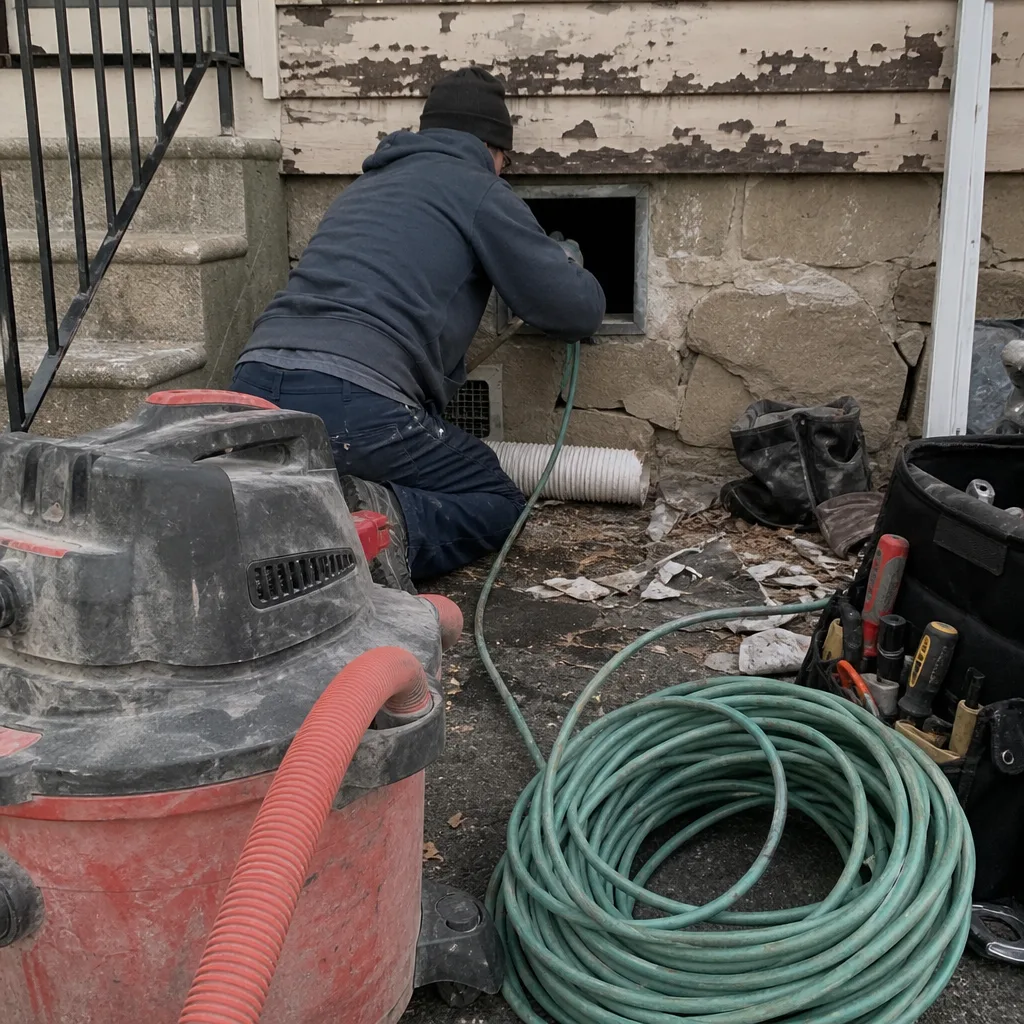 Before
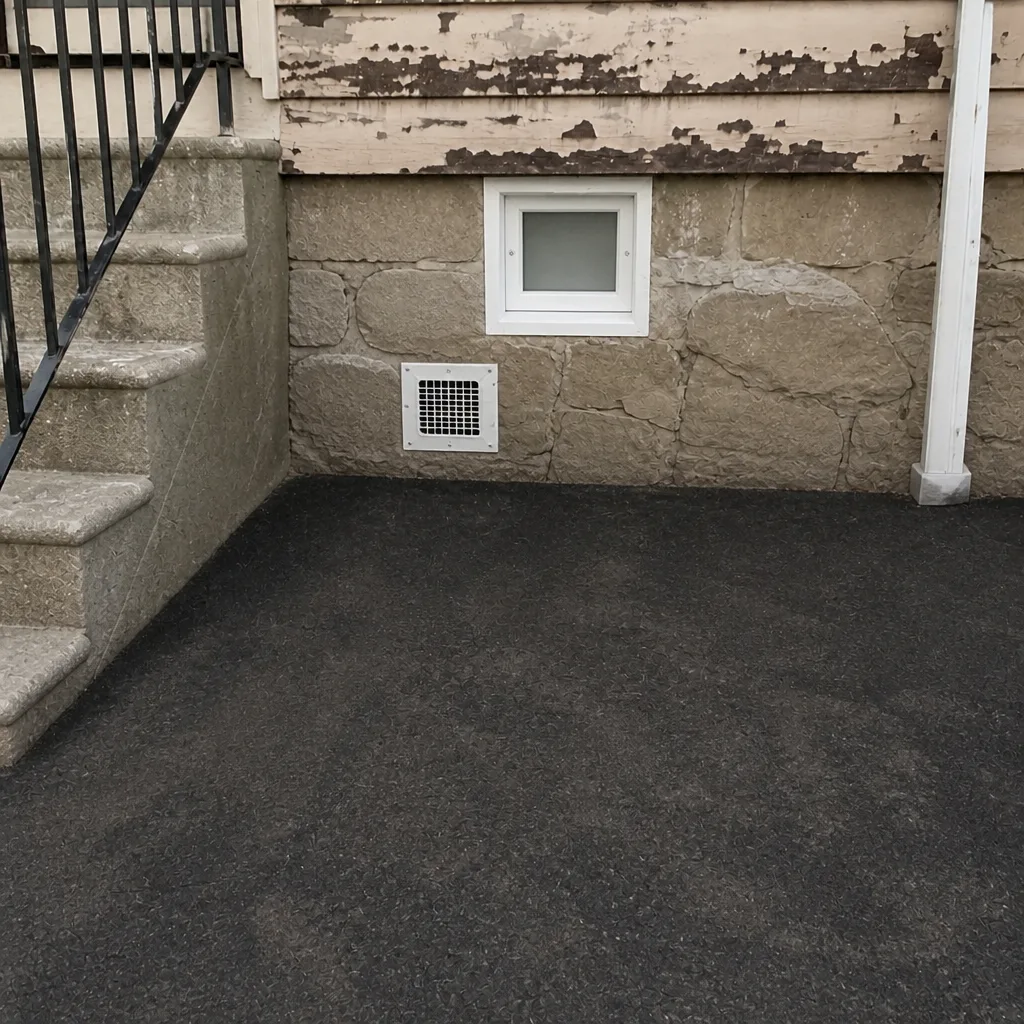 After
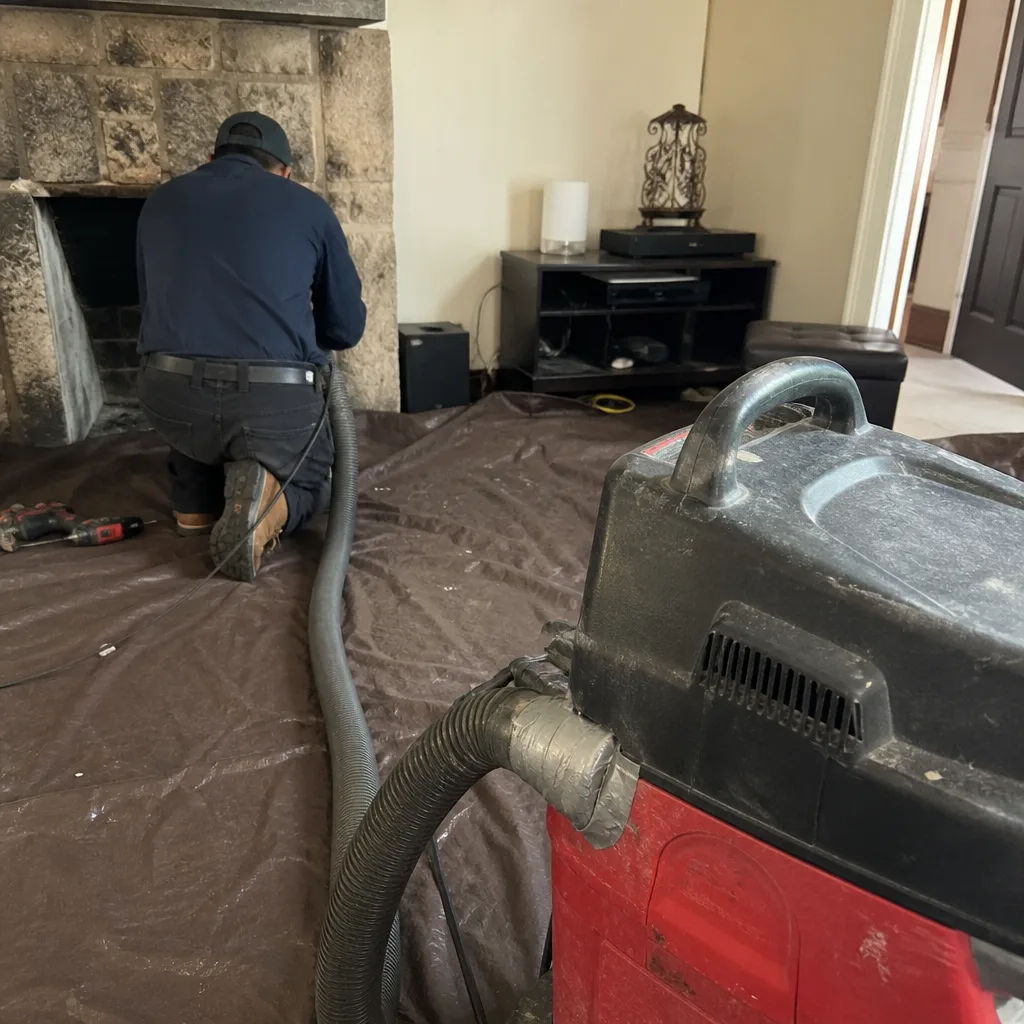 Before
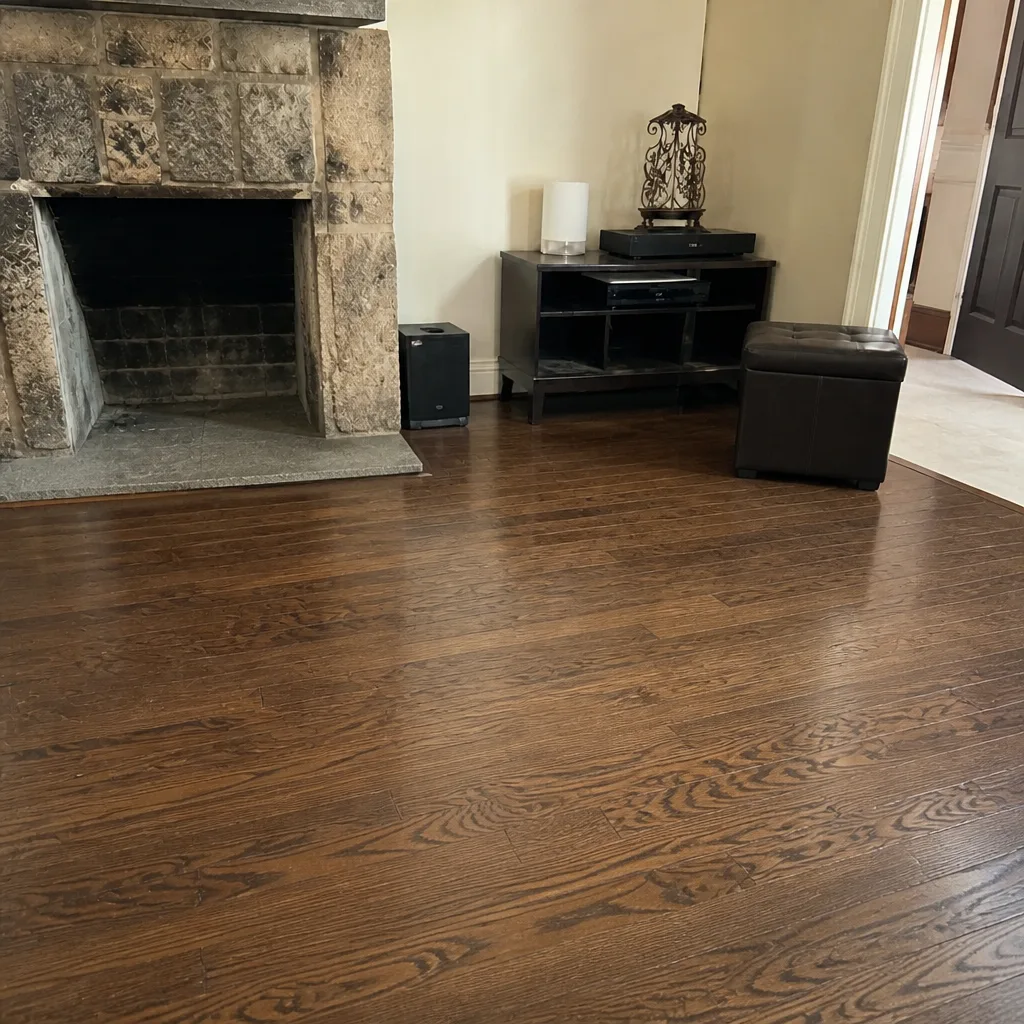 After
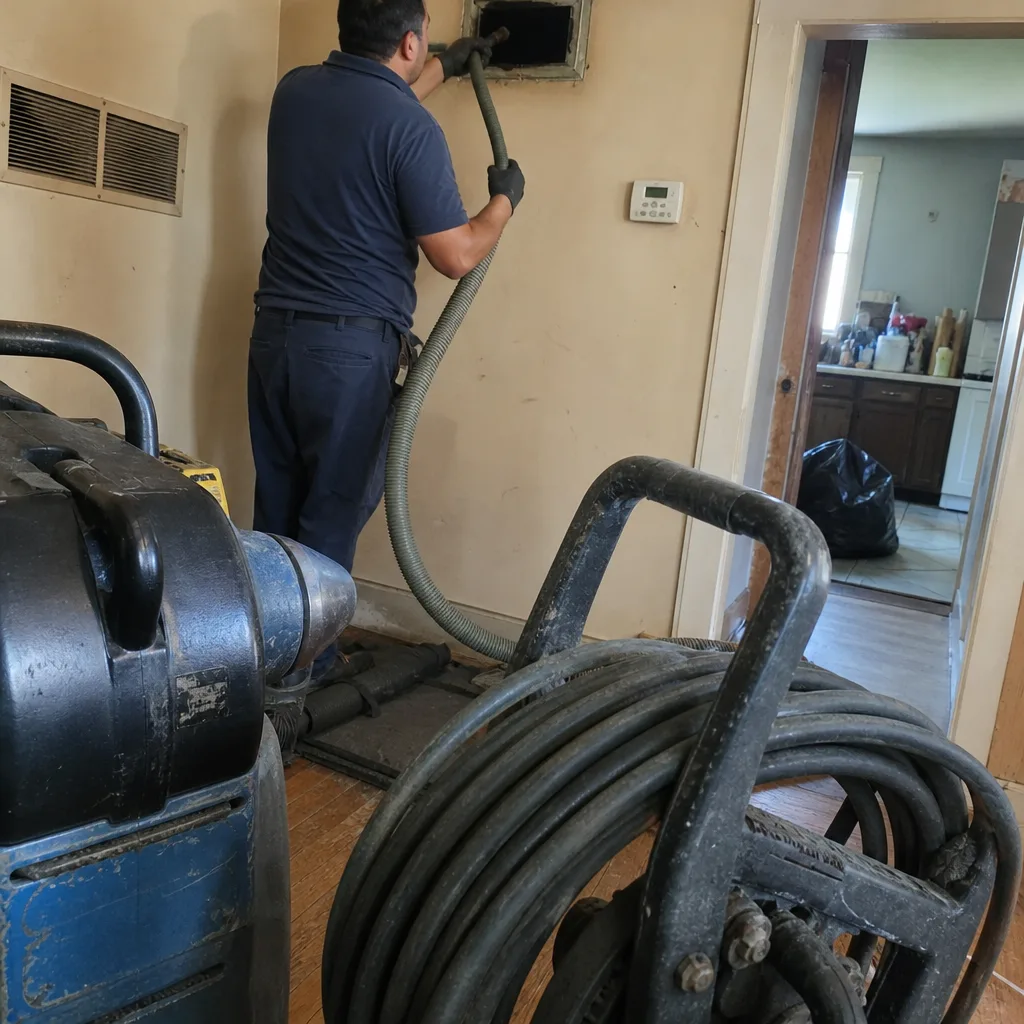 Before
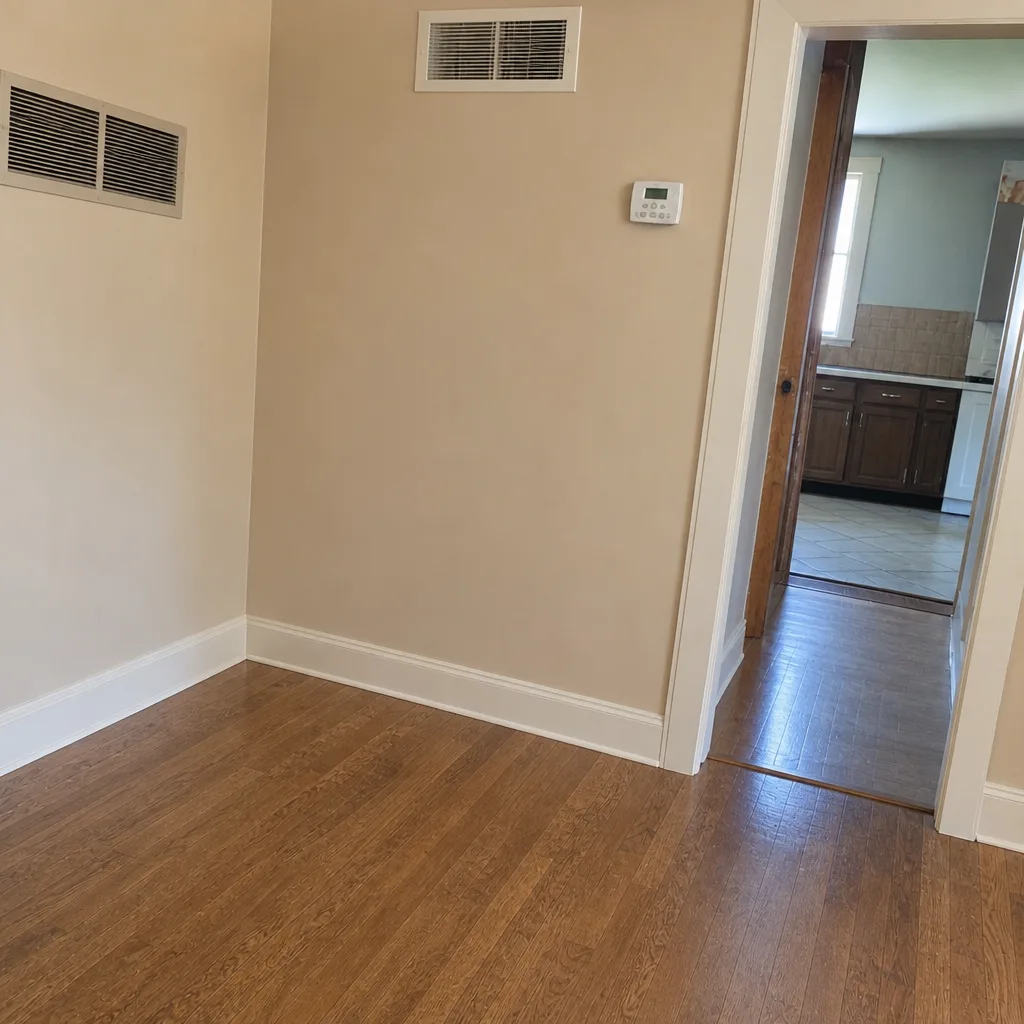 After
Frequently Asked Questions
Most homes need cleaning every 3 to 7 years, with the exact interval depending on fuel type, duct construction, and household load. Oil-heat systems typically sit at 2 to 3 years, gas forced-air at 3 to 5 years, and heat pumps at 4 to 6 years. The generic 3-to-5-year rule is a reasonable middle but isn’t right for every home. Call (844) 967-3384 for an exact quote based on your system.
Paterson’s older building stock and oil-heat legacy systems shorten intervals for many homes here compared with newer construction, but the difference comes from fuel type and duct sealing more than geography. A well-sealed gas home in Paterson sits at the same interval as a well-sealed gas home elsewhere. An oil-heat home with unsealed retrofitted ducts needs cleaning more frequently. Call (844) 967-3384 for a free estimate.
Pricing is per job, by written estimate, and depends on the number of systems, duct condition, and whether repair work is involved. We don’t quote per-vent prices or teaser coupons because those numbers rarely survive contact with a real system. One flat price per system is agreed before work starts, with before-and-after photos of your own ducts provided. Call (844) 967-3384 – estimates are free.
A low quote usually reflects a shopped price rather than a lower cost of doing the work. The most common pattern is a coupon price that grows once the technician is on site. One flat price per system, agreed before work begins, is the answer to that pattern; the number you agree to is the number you pay. Call (844) 967-3384 for a straightforward estimate.
Before-and-after photos of your own ducts, taken during the job, are the simplest confirmation. Ask for them up front. We photograph both the supply and return sides, and a written summary of what was cleaned and what was observed – rather than a verbal “all done” – stays on record for future maintenance conversations. Call (844) 967-3384.
Dryer vent cleaning depends on household size and vent routing more than a fixed calendar. Single occupants with a straight-wall vent can go about two years; a family of four should clean annually. Long vent runs with multiple elbows or a roof discharge need annual service regardless of household size. Call (844) 967-3384 for an exact quote.
The Bottom Line
The right answer to “how often should air ducts be cleaned?” isn’t a single number – it’s a schedule built from your system type, filter behavior, and household. Oil-heat homes in Paterson sit at 2 to 3 years, gas forced-air at 3 to 5, heat pumps at 4 to 6. Dryer vents need their own track based on household size. Post-renovation cleaning is a mandatory reset. And a simple log of dates, filter ratings, and observed debris turns every future cleaning decision into an informed one rather than a guess.
If it’s time for a look, Duct Cleaning Paterson handles the full scope: cleaning, dryer vent safety, and duct repair, with professional-grade Rotobrush, Nikro, and Abatement Technologies equipment. Call (844) 967-3384 for a free estimate. We answer 24/7. Fast dispatch from 7am to 7pm, Sunday through Friday.
Written by the team at Duct Cleaning Paterson.